
What Is Design-Build — And Why It Matters for Home Renovations
When planning a home renovation, most homeowners focus on the end result—added space, improved layout, or updated finishes.
But what’s often overlooked is how the project is delivered.
The process you choose can have a significant impact on your budget, timeline, and overall experience. One of the most efficient and homeowner-friendly approaches is design-build.
What is Design-Build?
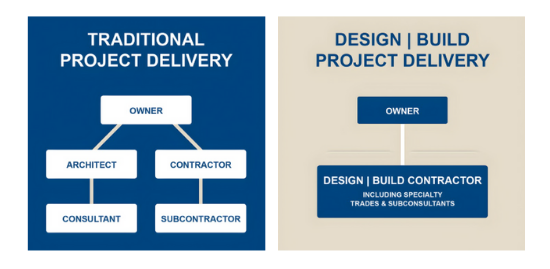
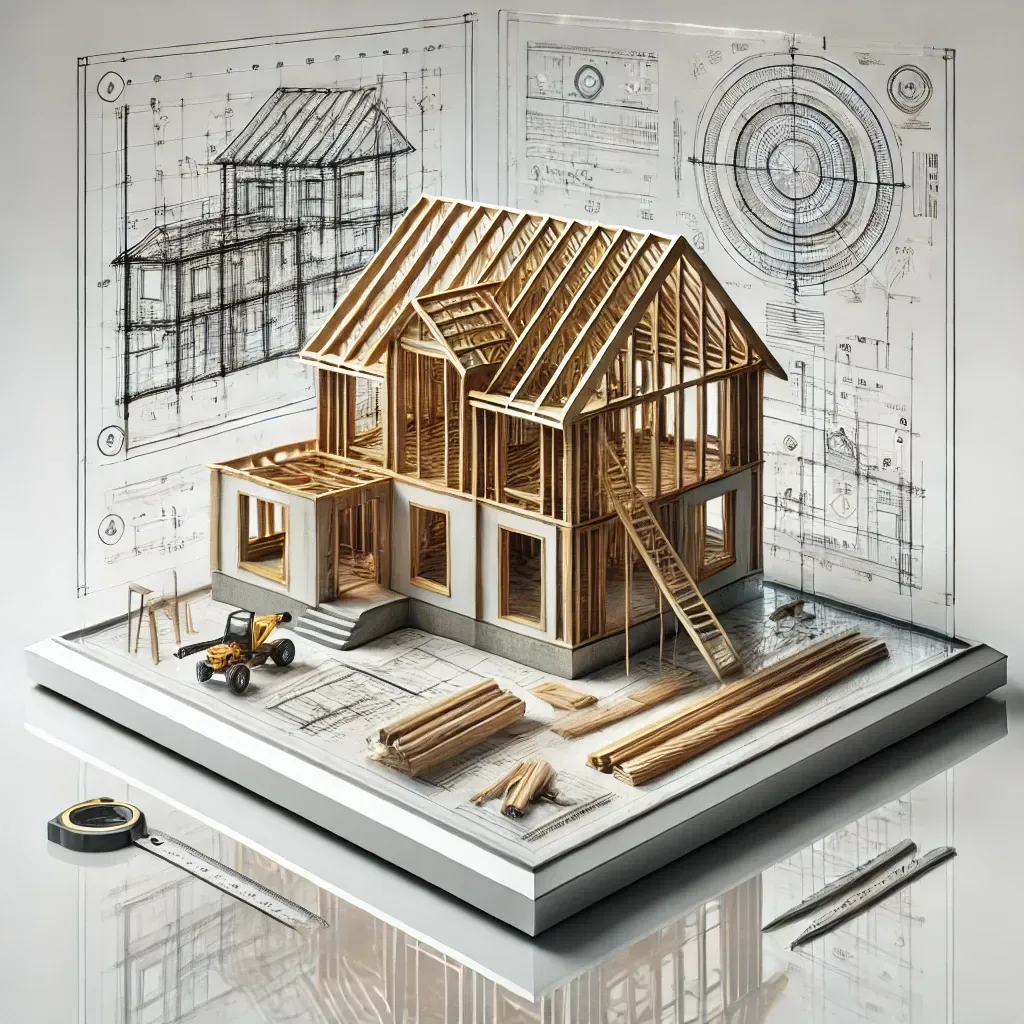
Design-build is a streamlined approach where design and construction are handled by one integrated team under a single contract.
Instead of hiring a designer or architect first, then sourcing a contractor later, the entire process is aligned from the start. Planning, design, pricing, and construction work together—creating clarity, accountability, and a more cohesive outcome.
How It Differs from the Traditional Approach
In a traditional renovation, homeowners typically:
- Hire a designer or architect
- Complete drawings
- Send plans to multiple contractors for pricing
- Select a contractor and begin construction
While this can work, it often leads to:
- Pricing that doesn’t reflect real construction costs
- Incomplete or unclear drawings
- Budget surprises once construction begins
- Disconnect between design intent and execution
With design-build, the team responsible for building your home is involved from day one—ensuring decisions are grounded in real-world construction knowledge.
Why Design-Build Matters for Renovations
1. Better Budget Control
Because pricing is developed alongside the design, costs are realistic—not theoretical. Materials, methods, and scope are evaluated early, reducing the risk of unexpected expenses later.
2. Clear Scope & Expectations
Detailed drawings and specifications are established before construction begins. This clarity protects both the homeowner and the builder—ensuring everyone understands exactly what’s included.
3. Fewer Gaps Between Design & Construction
When design and construction are handled separately, details can be missed.
With design-build, constructability is considered throughout the design phase—minimizing revisions, delays, and rework.
4. One Team, One Point of Accountability
Instead of managing multiple consultants and contractors, you work with one coordinated team. Communication is streamlined, decisions are faster, and responsibility is clear.
5. A More Predictable Timeline
With early coordination, permit planning, and scheduling built into the process, projects are better prepared before construction begins—resulting in fewer delays and a smoother experience overall.
Is Design-Build Right for Your Project?
Design-build is particularly well suited for:
- Whole-home renovations
- Additions
- Structural reconfigurations
- Projects with defined budgets and timelines
- Homeowners who value transparency and a guided process
For smaller, cosmetic updates, a simpler approach may work. But for more complex renovations, design-build offers a level of clarity and control that’s difficult to achieve otherwise.
Final Thoughts
A home renovation is one of the most significant investments you’ll make—and the process matters just as much as the result.
Design-build isn’t about speed or shortcuts—it’s about alignment.
When design, pricing, and construction are integrated from the beginning, homeowners gain clarity, confidence, and a more predictable experience.
Choosing the right approach sets the foundation for a successful renovation—one built on thoughtful planning, clear communication, and lasting value.