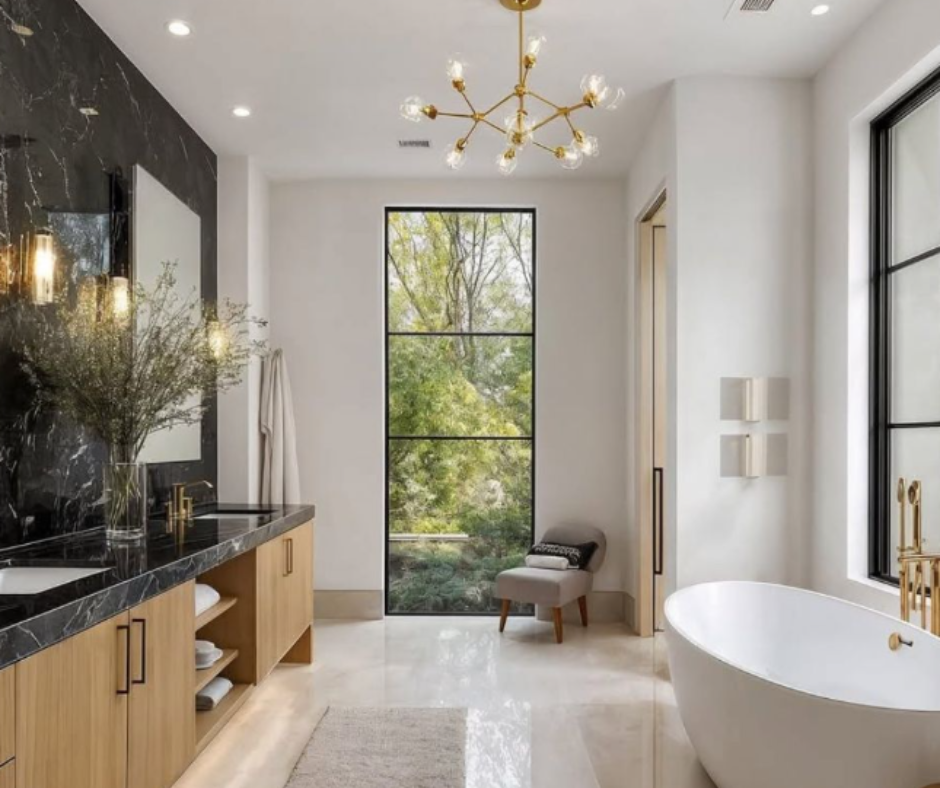
What’s Shaping the Future of Living Spaces
Interior design in 2026 is centered around warmth, intention, and personalization. Homes are becoming more expressive, more comfortable, and more connected to the way we actually live.
Rather than following trends, today’s spaces are designed to feel lived-in, functional, and uniquely tailored—blending beauty with everyday ease.
Here are the key design directions shaping homes in 2026.
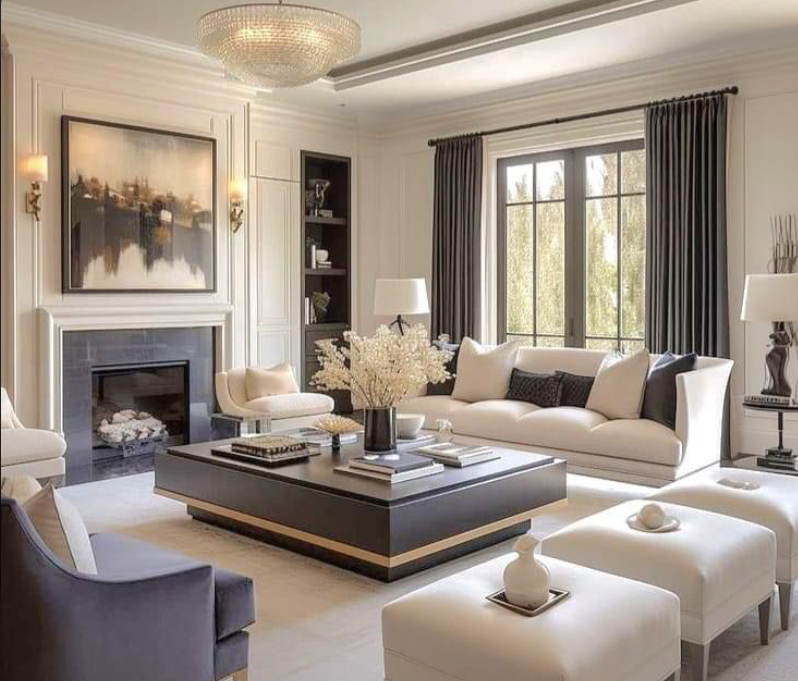
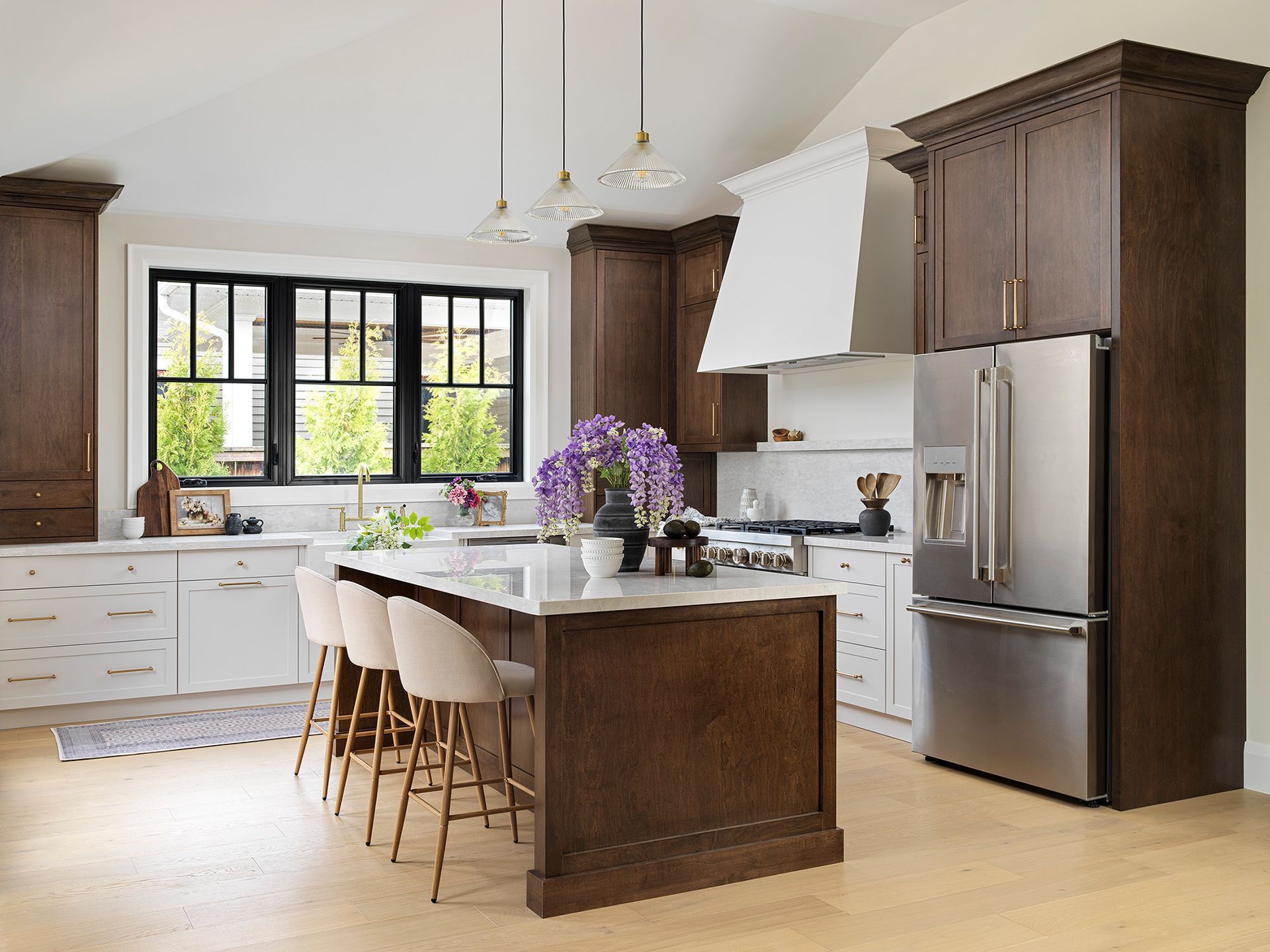
Warm Minimalism
Minimalism is evolving into something softer and more livable.
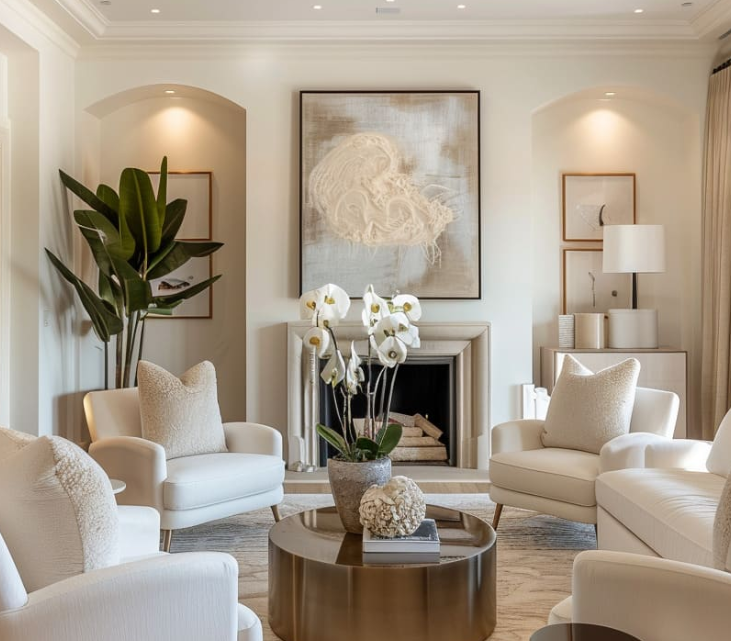
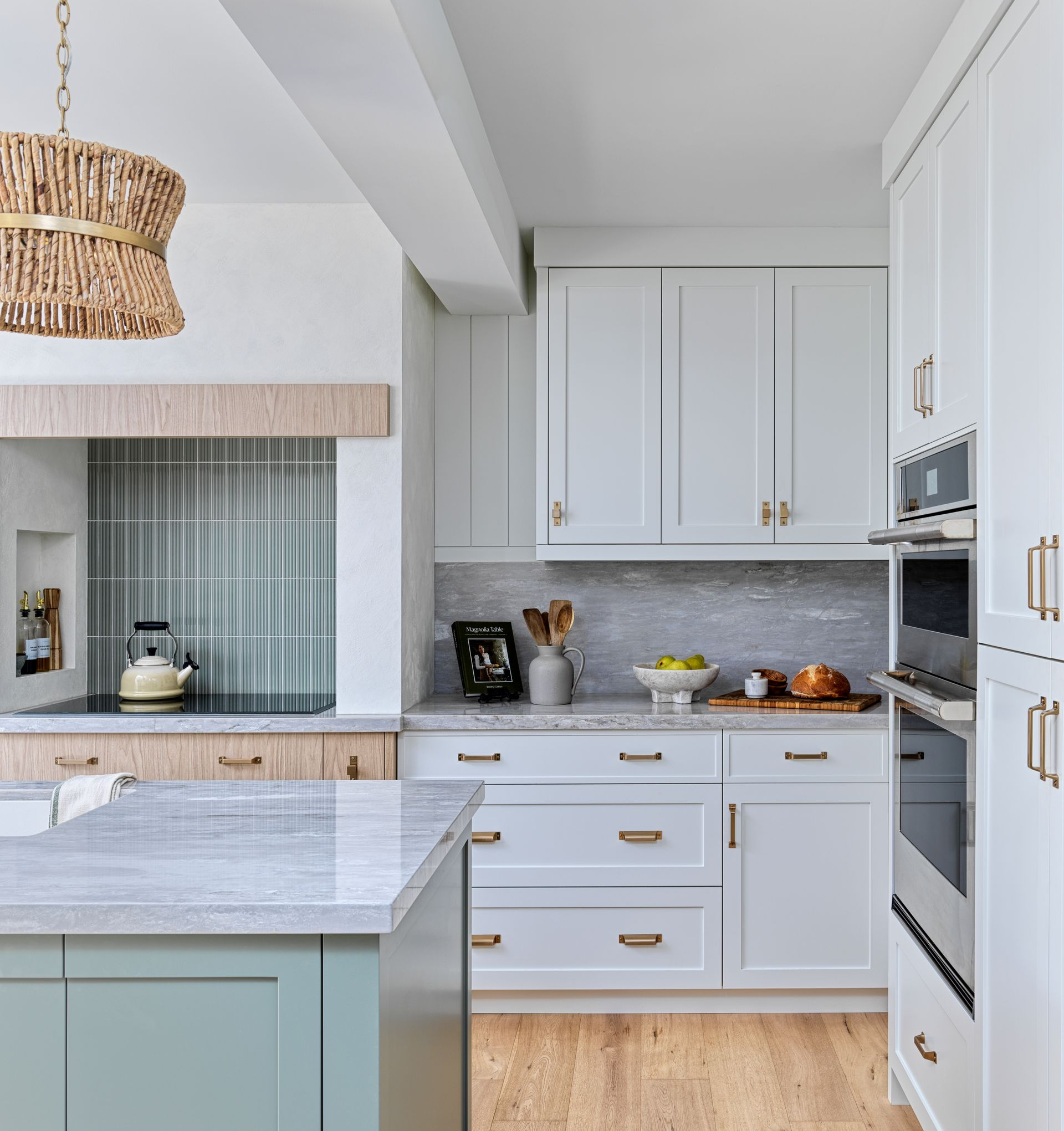
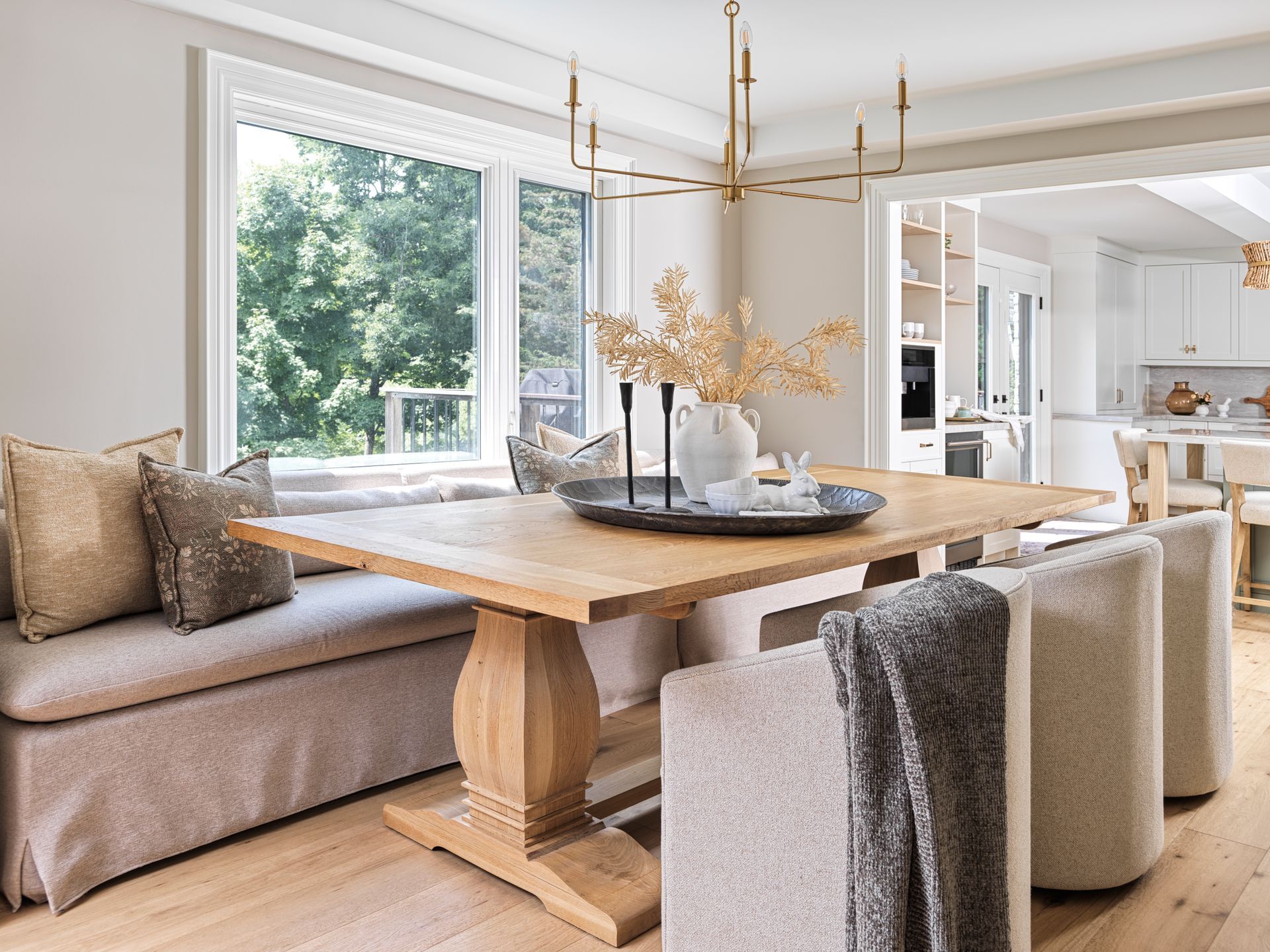
Think warm neutrals, layered textures, and natural materials that bring comfort without clutter. Clean lines remain—but they’re paired with softness, subtle contrast, and a more relaxed, welcoming feel.
This approach creates spaces that feel calm, refined, and effortlessly timeless.


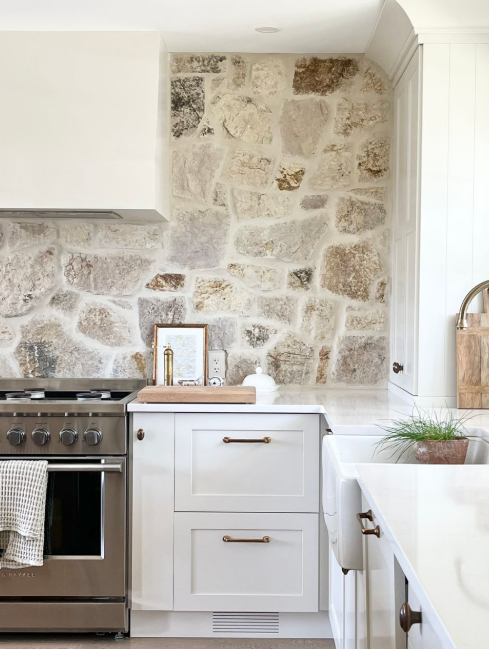
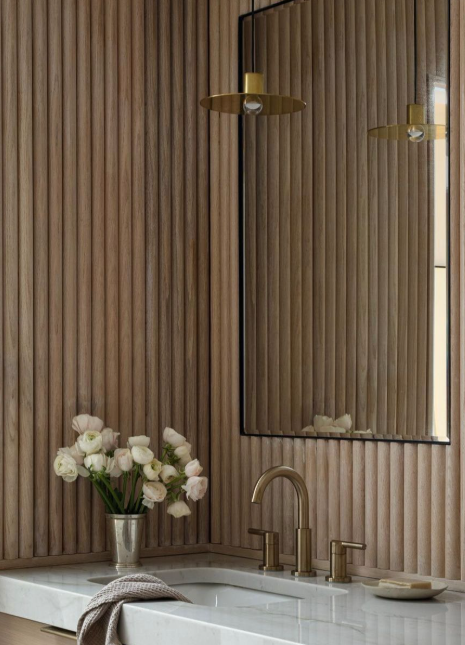
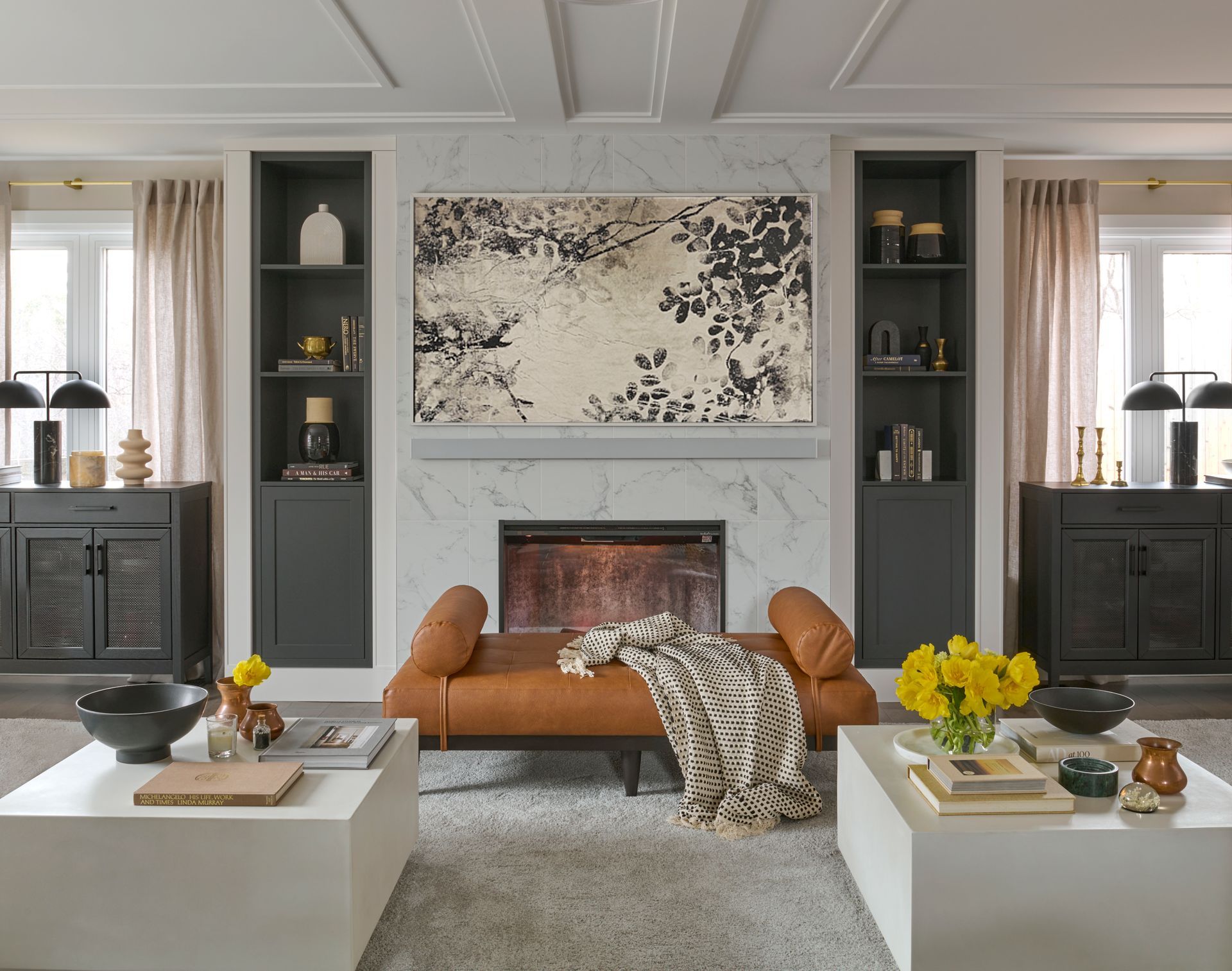
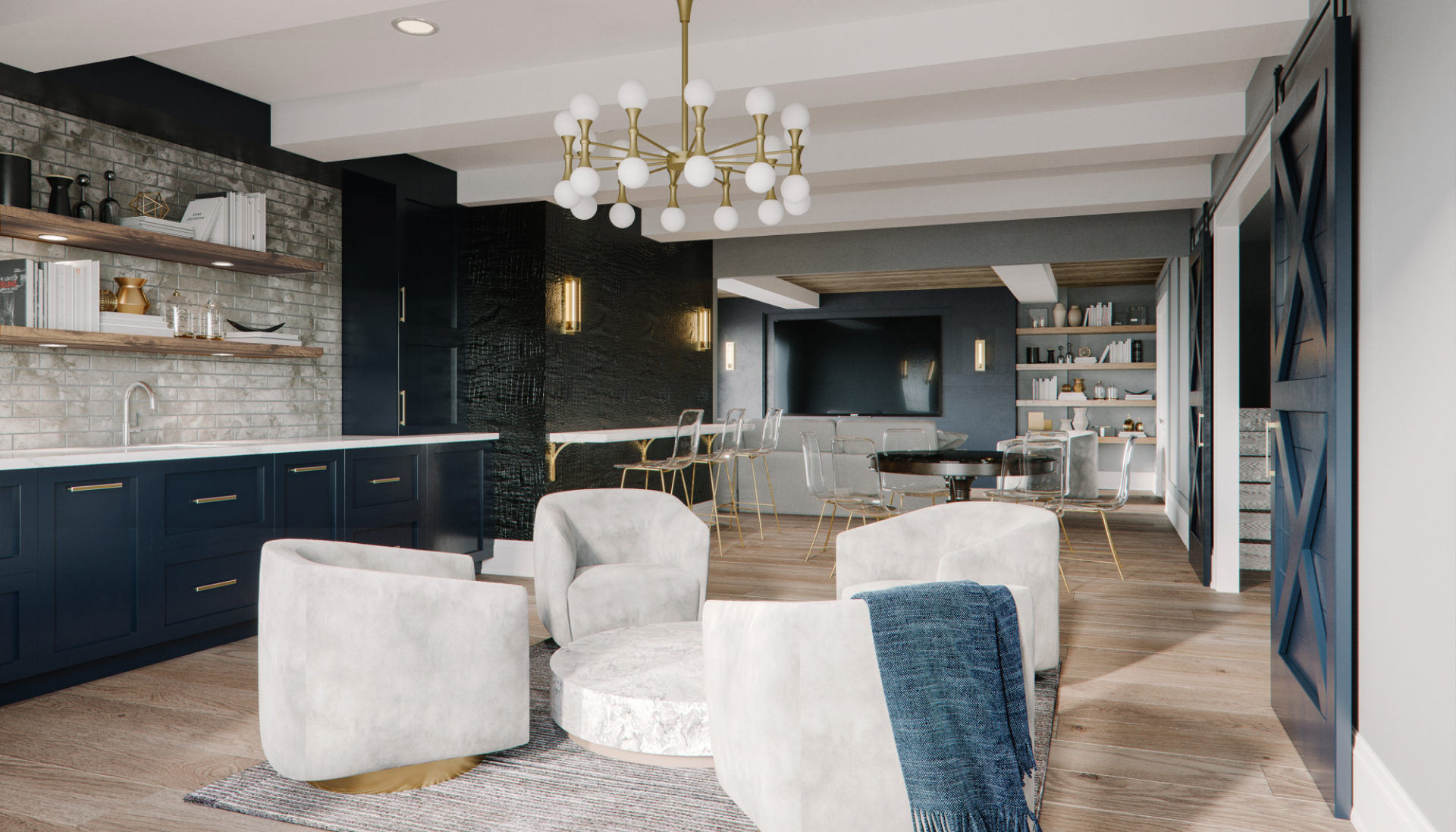
Textured, Statement Walls
Flat walls are giving way to depth and dimension.
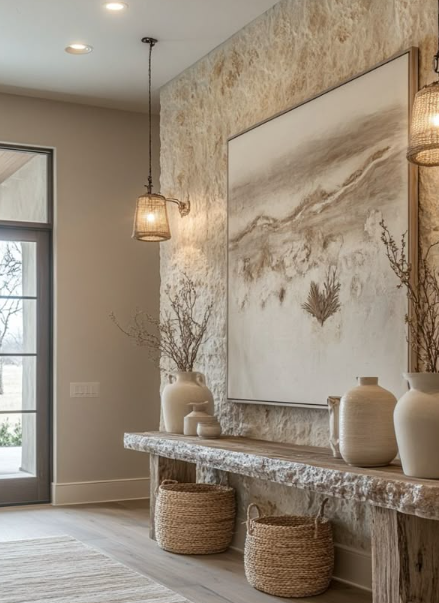
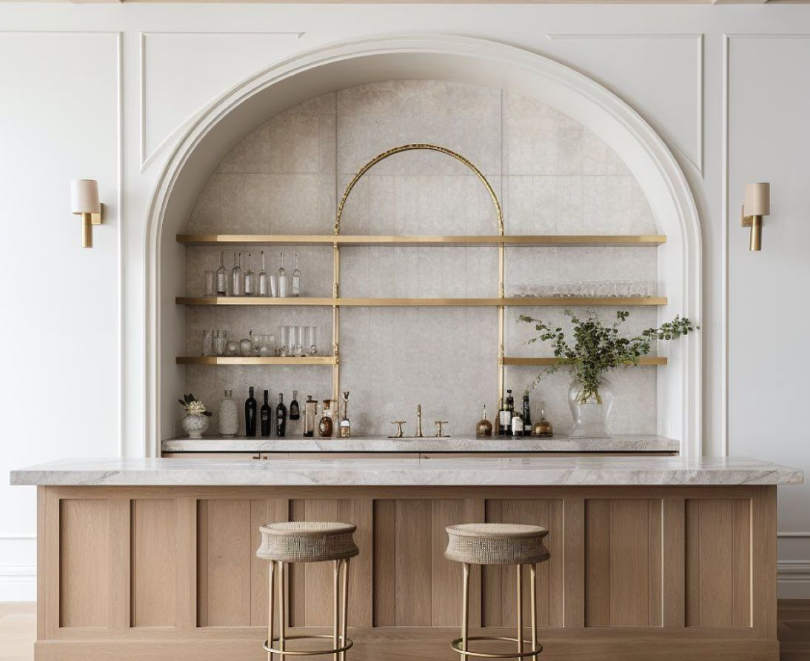
In 2026, walls become a design feature—through plaster finishes, wood paneling, stone, or subtle texture that adds richness without overwhelming the space.
It’s less about bold colour, and more about creating a tactile, elevated backdrop that enhances the overall design.
I


Curves, Soft Lines & Organic Shapes
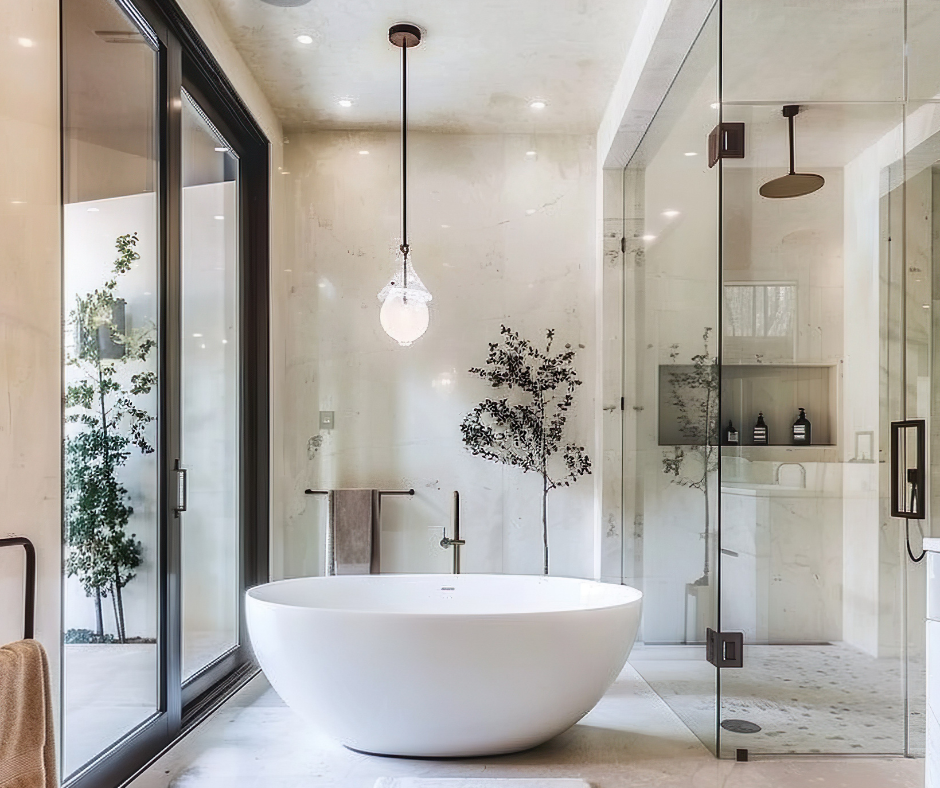
Interiors are moving away from sharp edges toward softer, more fluid forms.
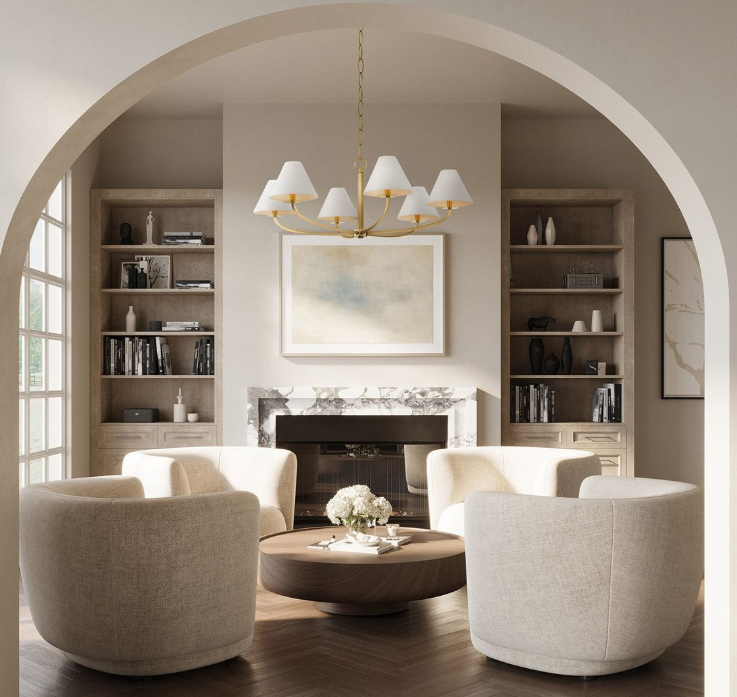
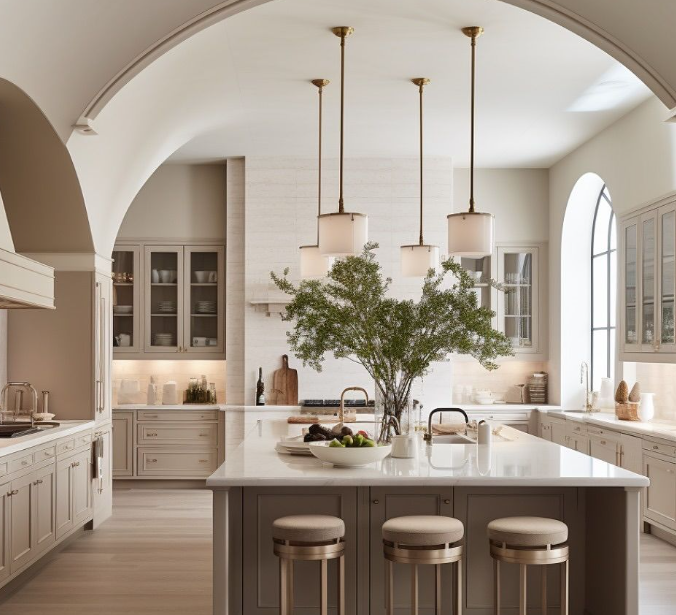
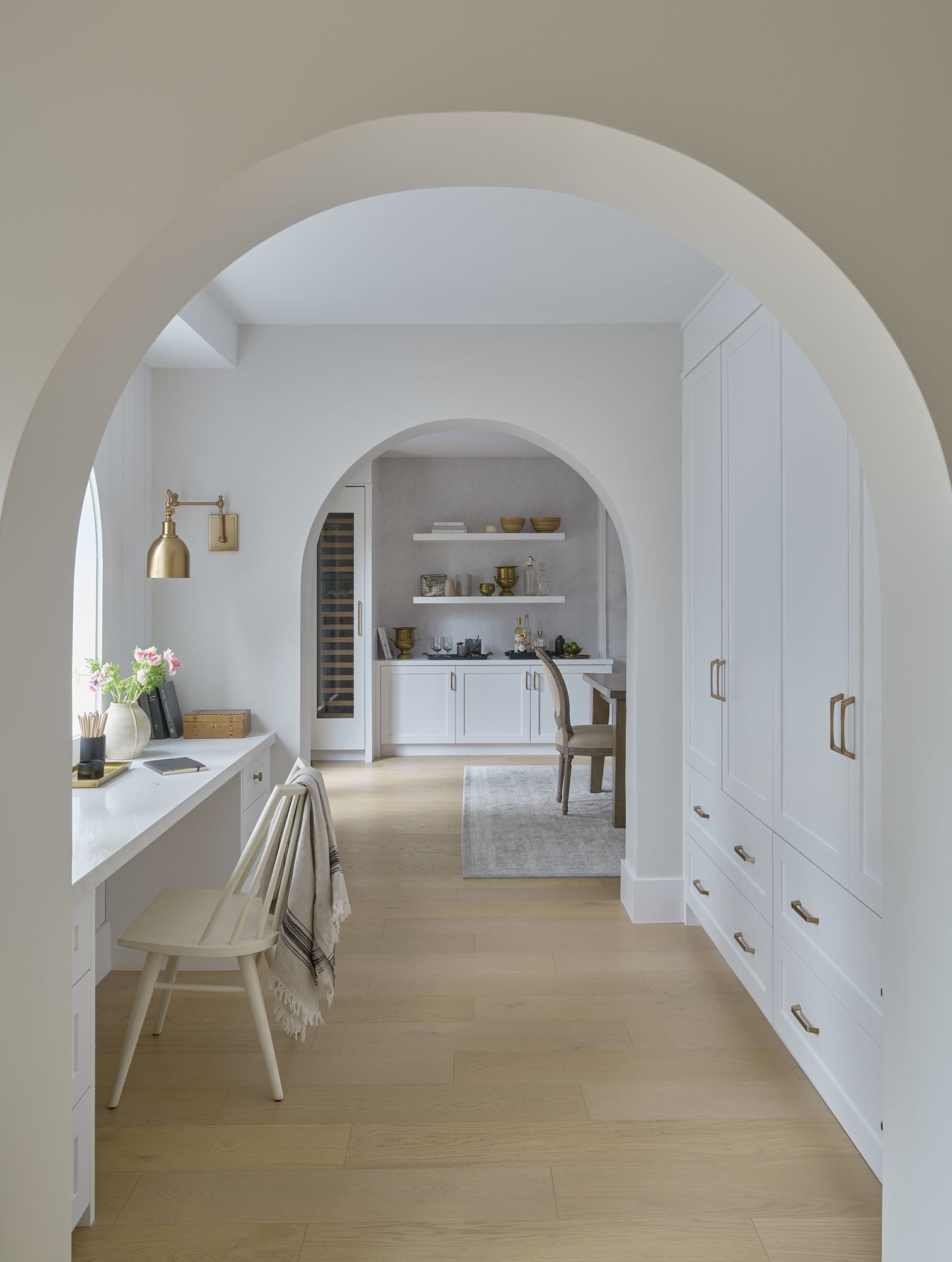
Curved furniture, arched openings, and sculptural lighting bring a sense of ease and movement into a space. These organic shapes feel more natural, more inviting, and visually balanced.
The result is a home that feels both elevated and comfortable.


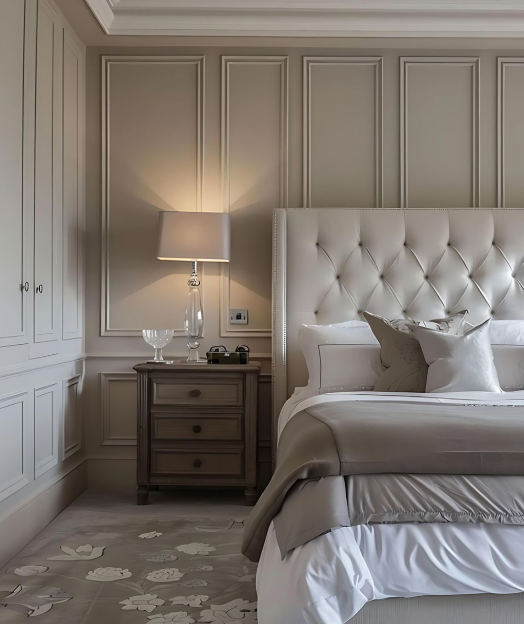
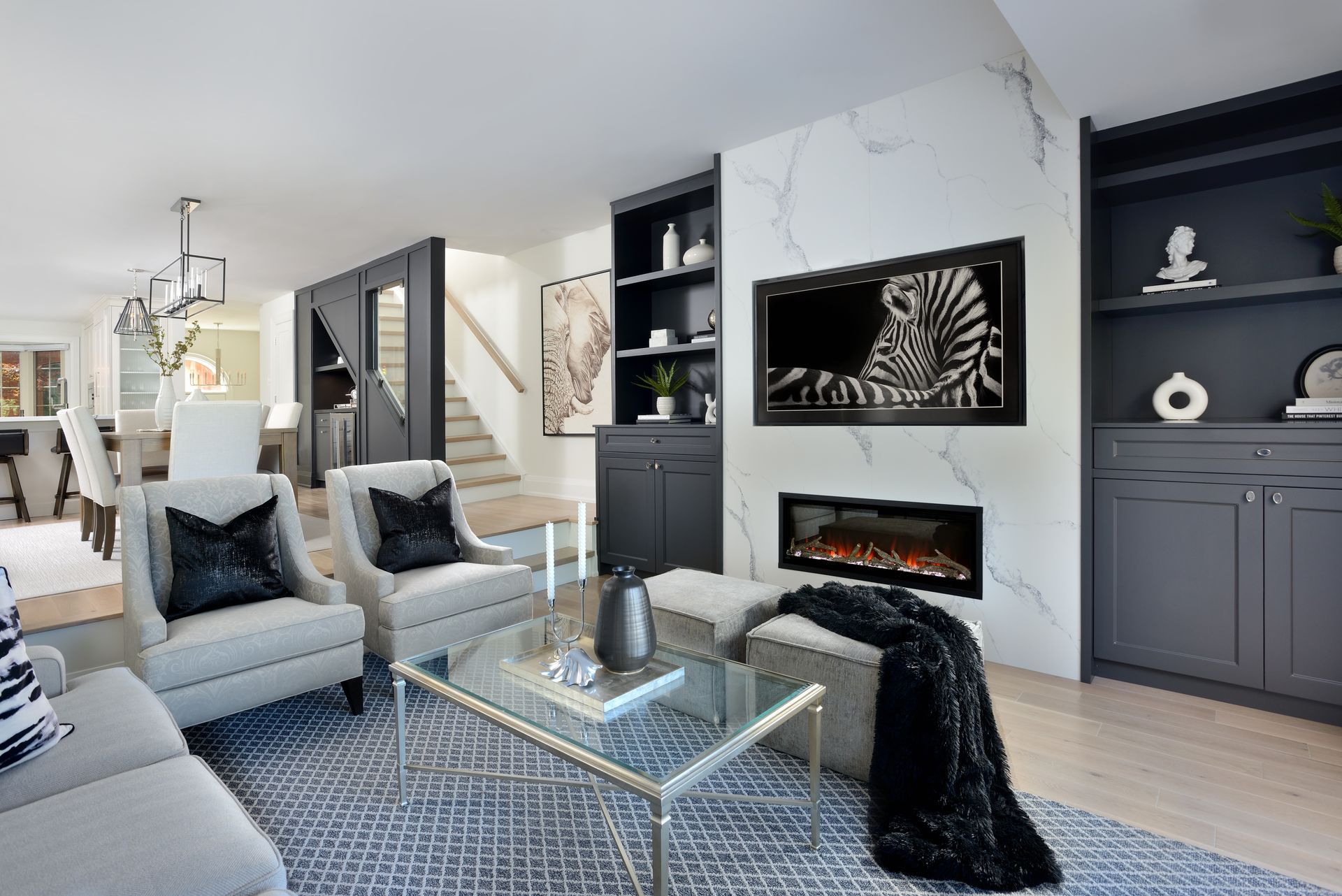
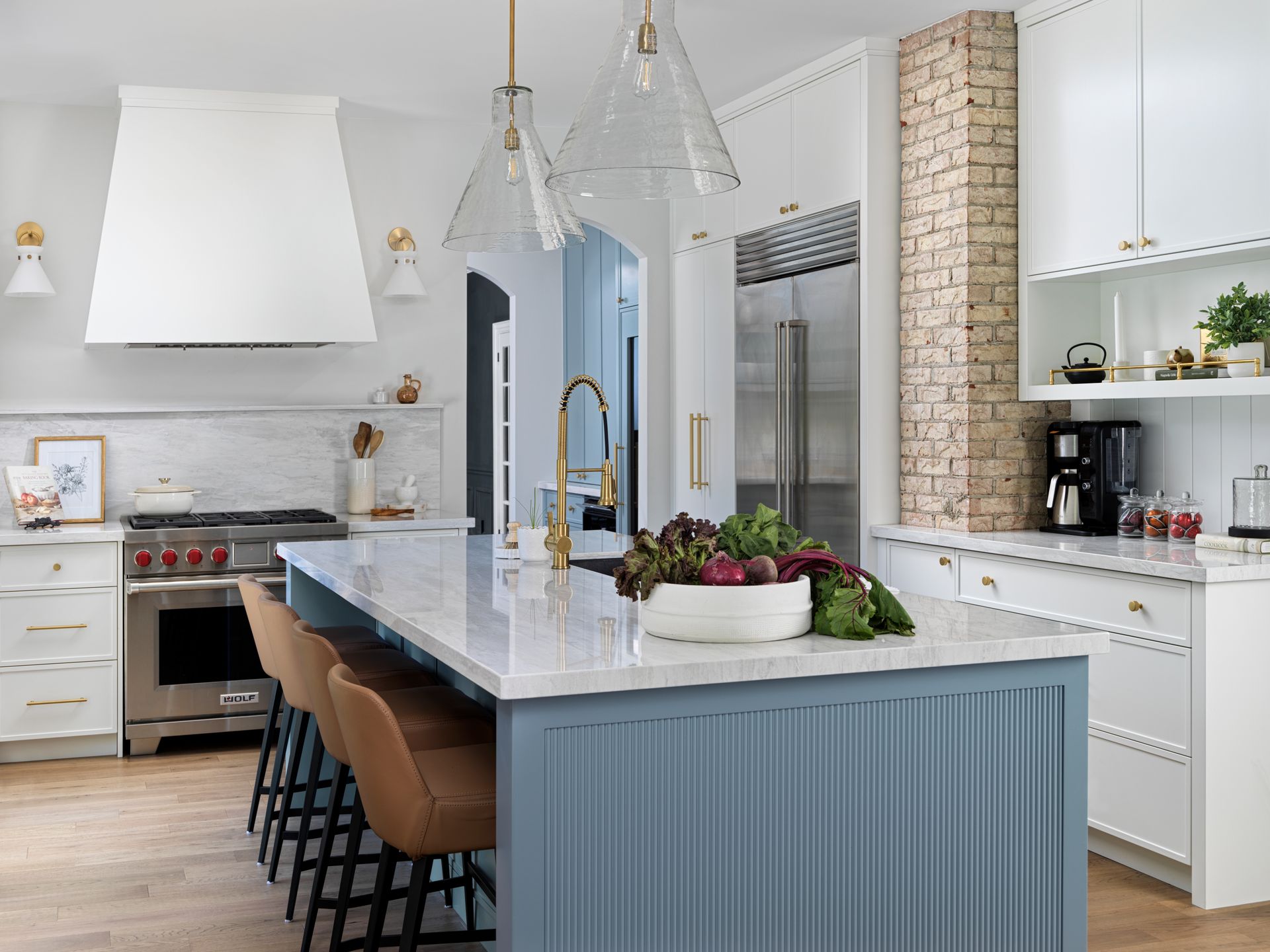
Elevated, Personalized Millwork
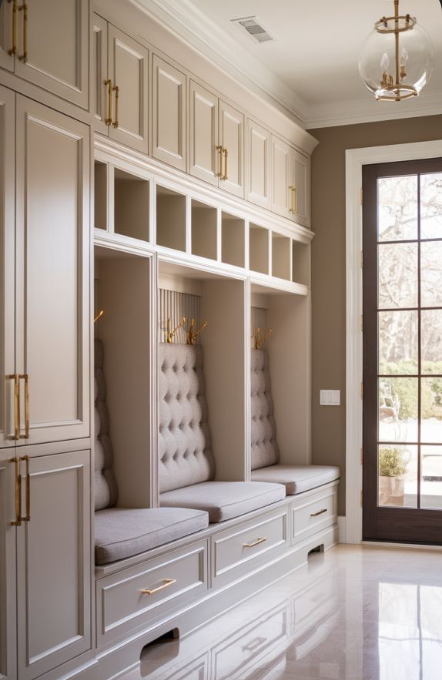
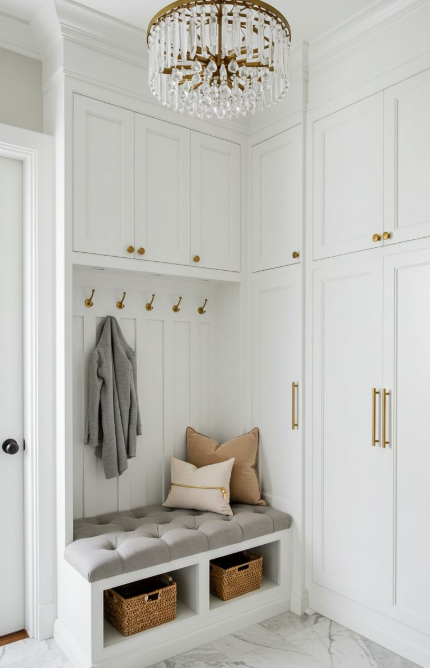
Custom millwork is becoming a defining feature in modern homes.
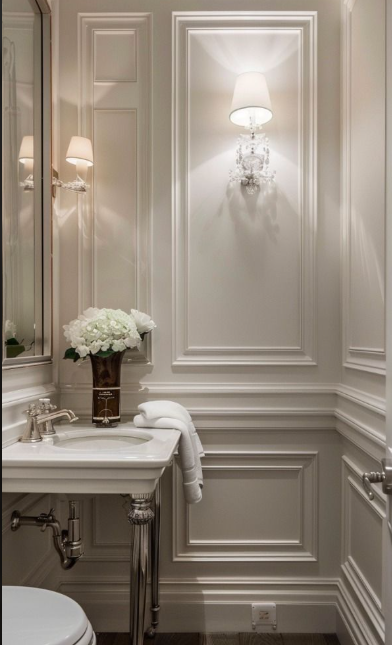
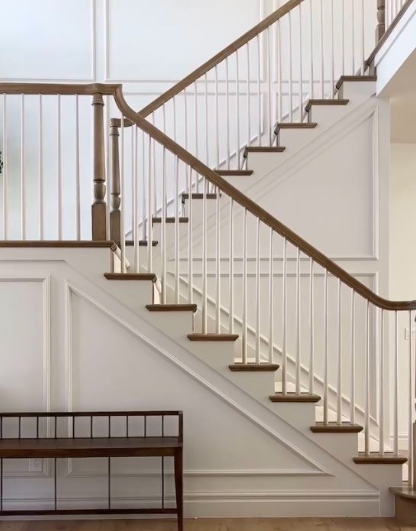
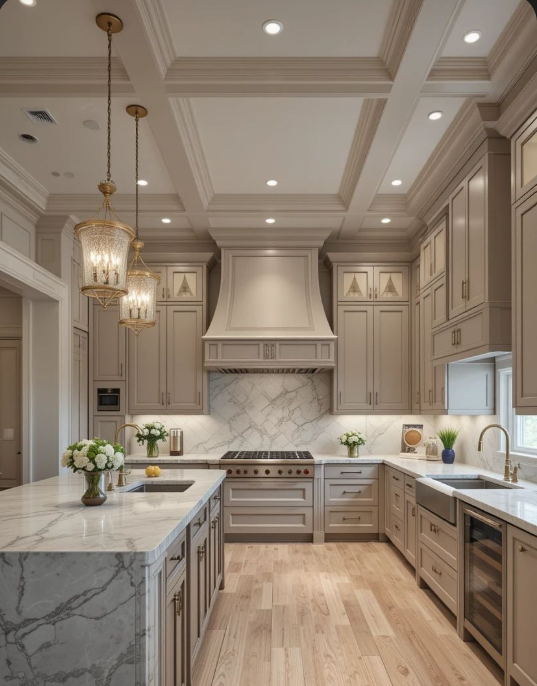
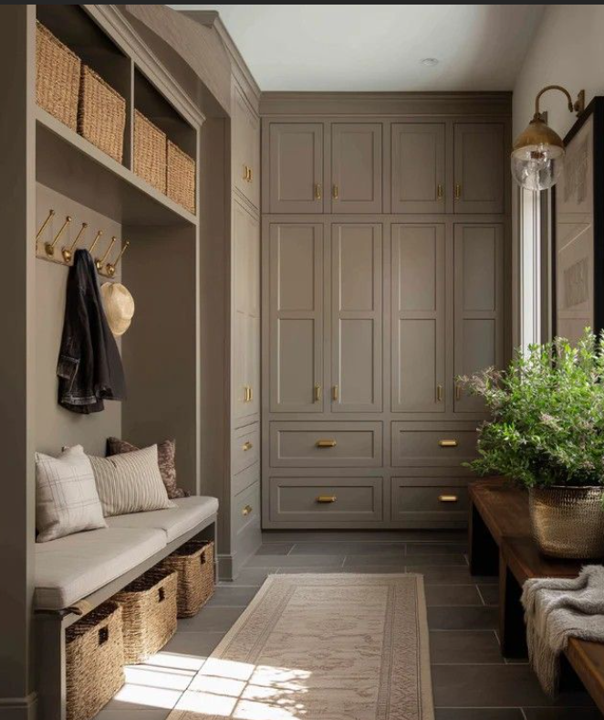
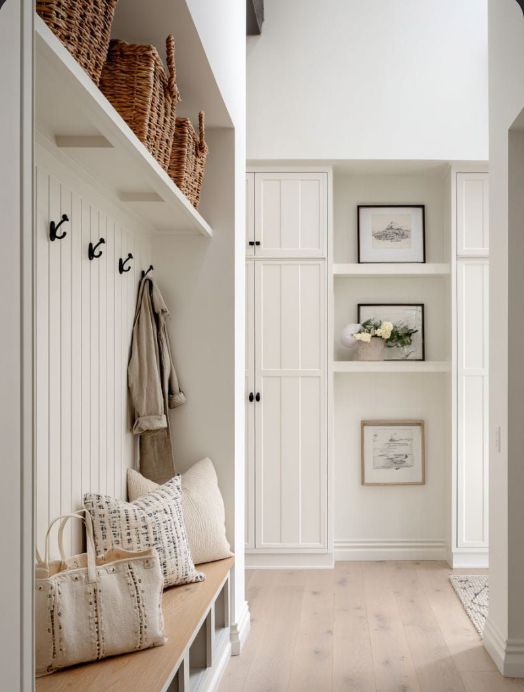
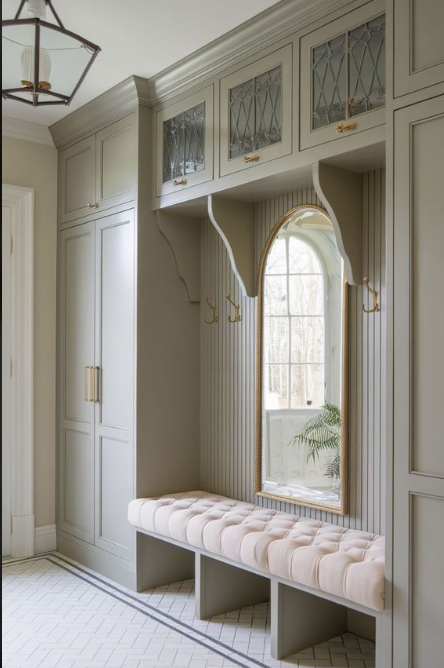
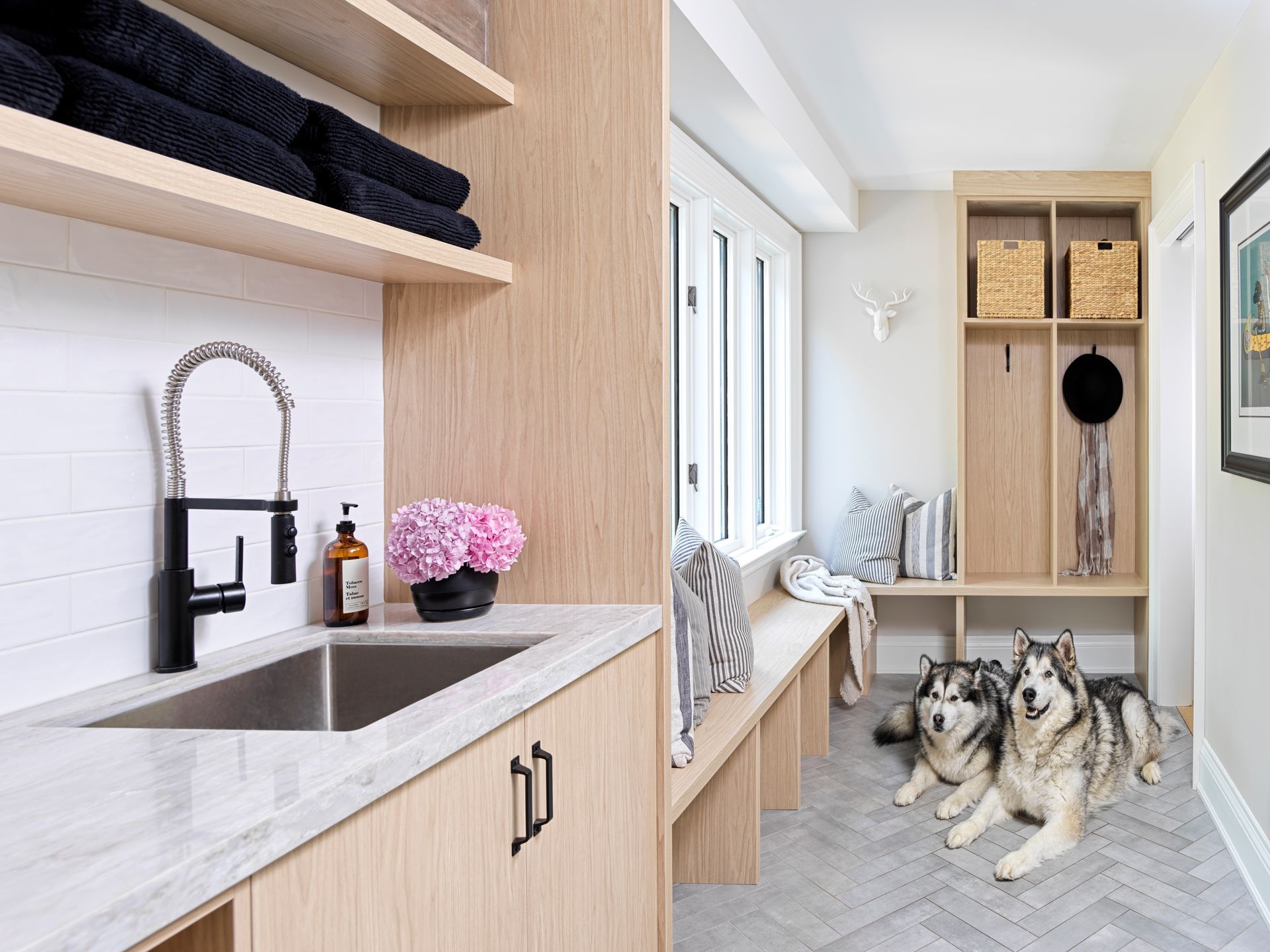
From floor-to-ceiling cabinetry to integrated desks, storage walls, and built-in niches, these elements are designed around how you live—not just how a space looks.
Beyond function, millwork adds character, continuity, and a sense of craftsmanship that elevates the entire home.


Layered Lighting as a Design Feature
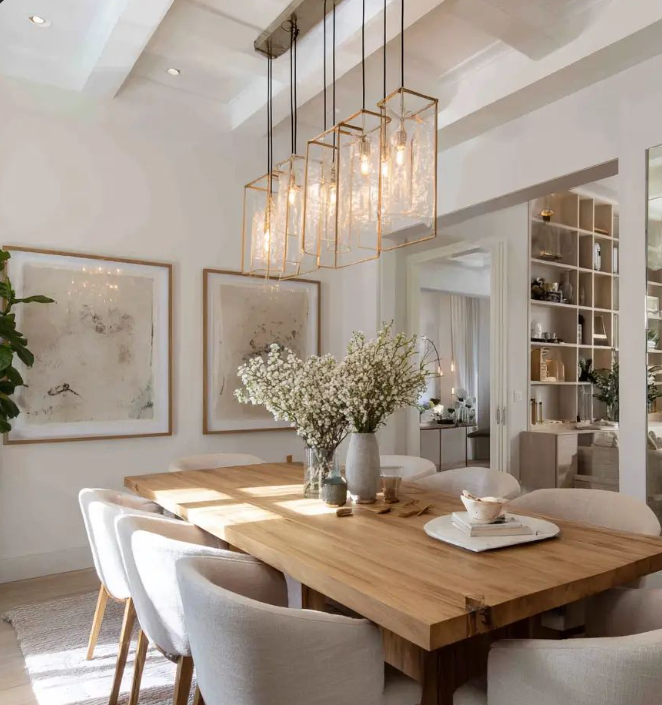
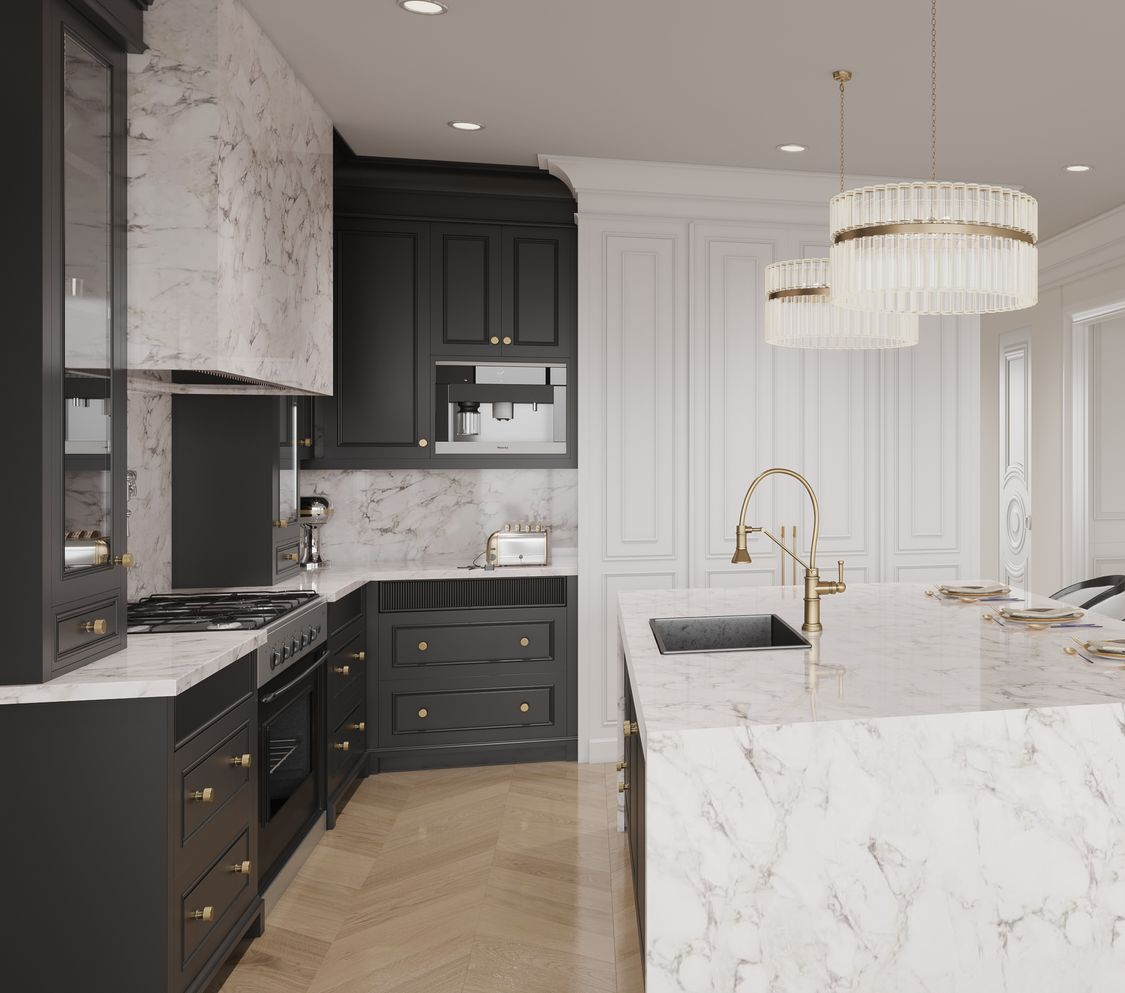
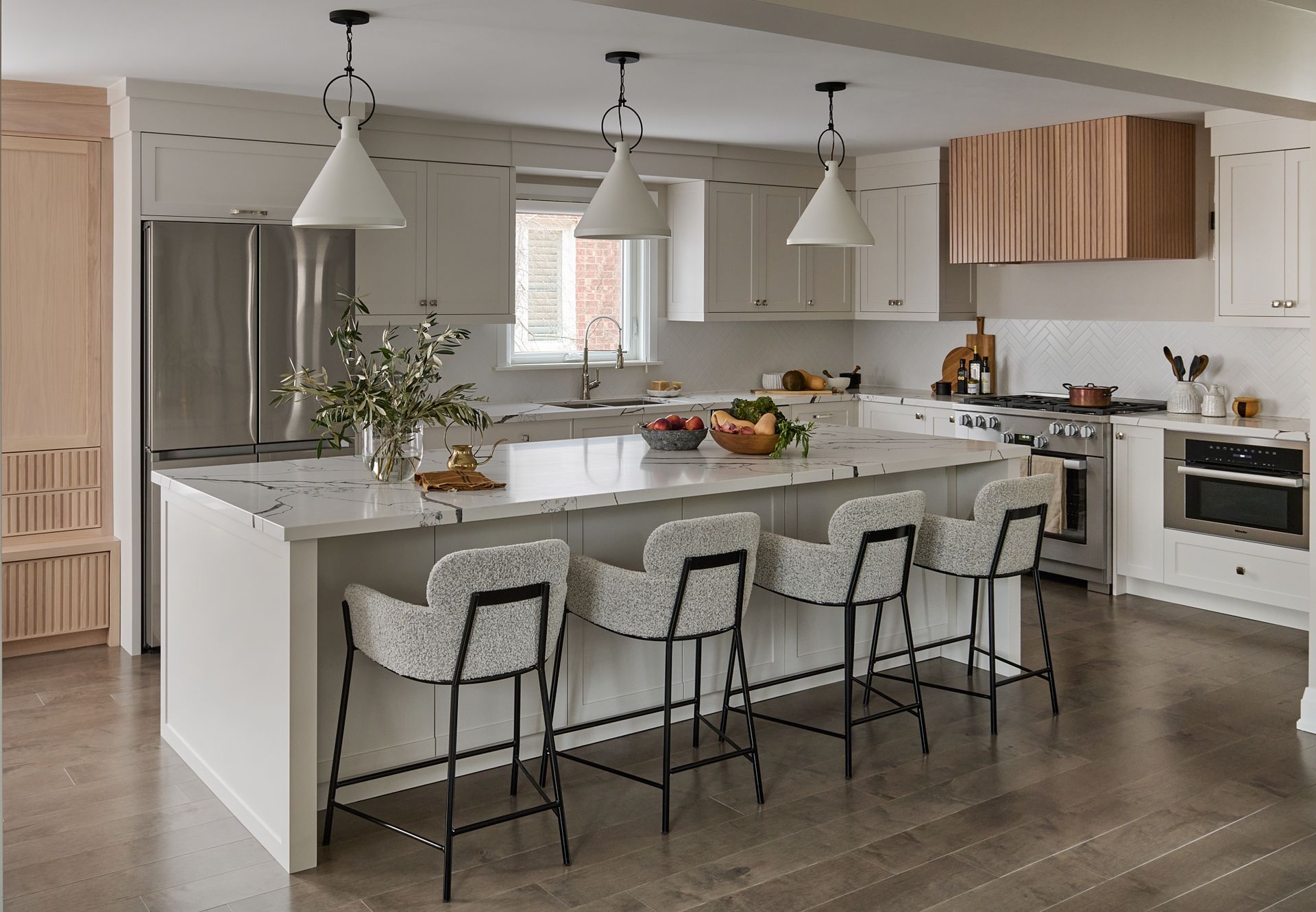
Lighting is no longer an afterthought—it’s a key part of the design.
Layering ambient, task, and accent lighting creates depth, warmth, and flexibility. From statement pendants to soft sconces and concealed LED details, lighting shapes both the mood and functionality of a space.
- Done well, it completely transforms how a home looks and feels.
Final Thoughts
The design direction for 2026 is clear: homes should feel as good as they look.
It’s about creating spaces that are warm, intentional, and deeply personal—where every detail supports how you live day to day.
Because the most beautiful homes don’t just follow trends—they reflect a lifestyle.