Tips & Trends

Bedroom Design Mistakes

That Ruin Sleep Quality.


Published February, 2026

Bedroom Design Mistakes - Design choices that make or break your sleep.

Your bedroom should be the most restful space in your home—but thoughtful design goes far beyond choosing a beautiful bed or calming paint colour. Many common bedroom design mistakes quietly interfere with sleep quality, affecting everything from comfort and relaxation to your overall well-being. If you’re renovating, redesigning, or even refreshing your space, avoiding these pitfalls can make a noticeable difference in how well you rest each night.

1. Poor Lighting Choices

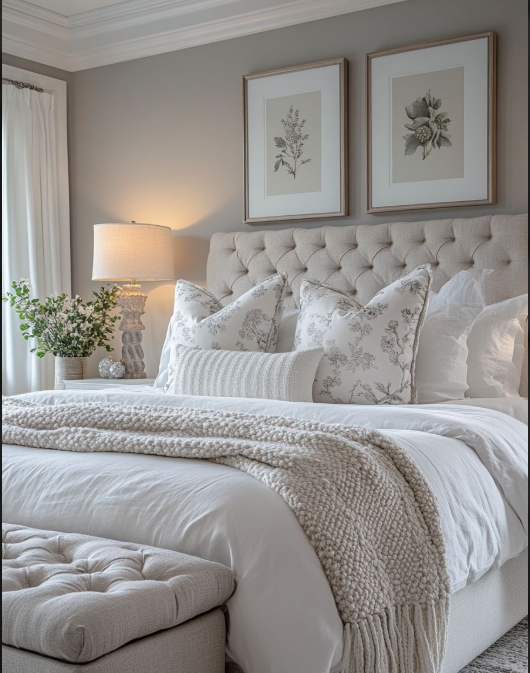
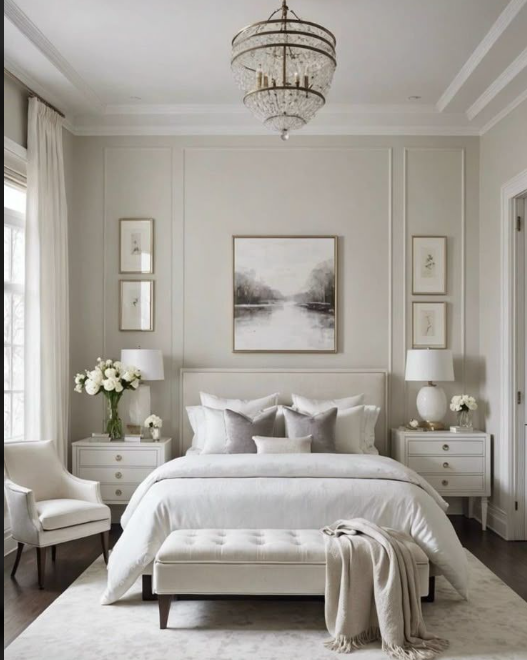
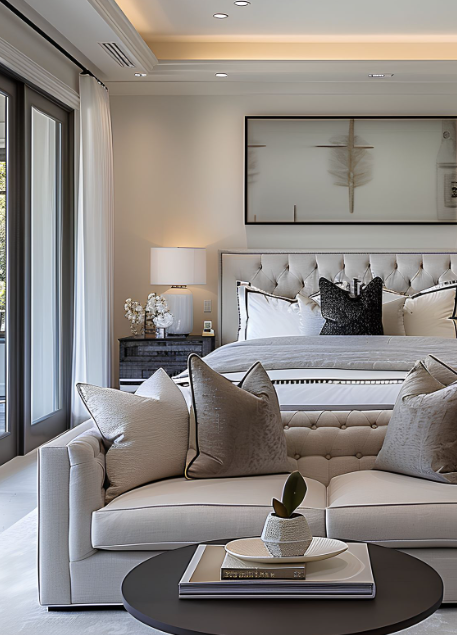
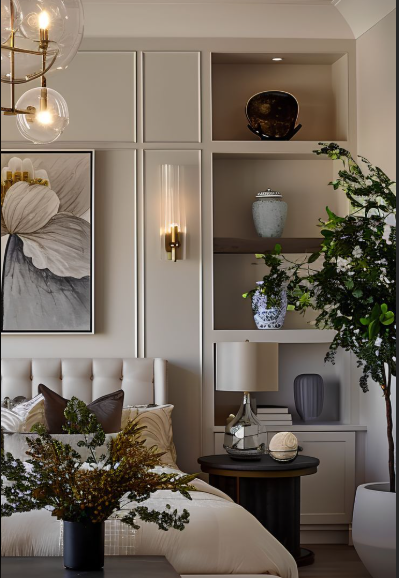
Harsh overhead lighting, exposed bulbs, or overly cool light temperatures can disrupt your body’s natural sleep rhythm. Bright white or blue-toned lighting signals your brain to stay alert—exactly the opposite of what you want in the evening. A well-designed bedroom includes layered lighting: soft ambient light, bedside lamps, and dimmable fixtures that allow the space to transition easily from day to night.

2. Ignoring Window Treatments

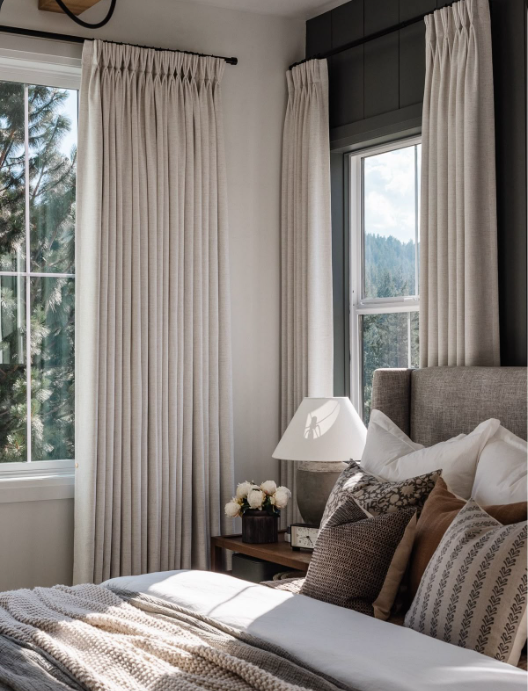
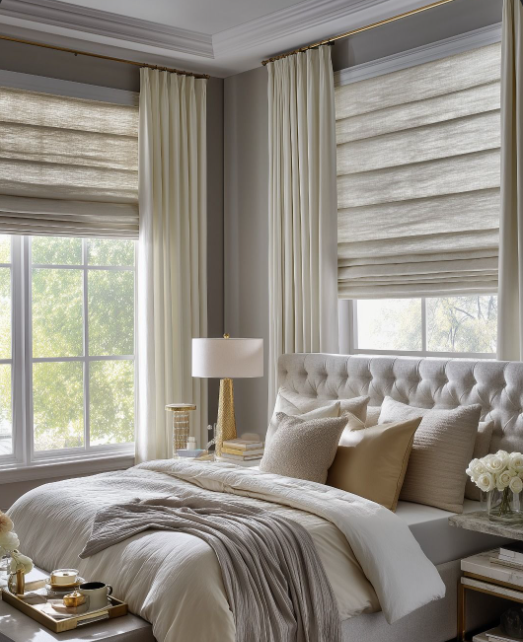
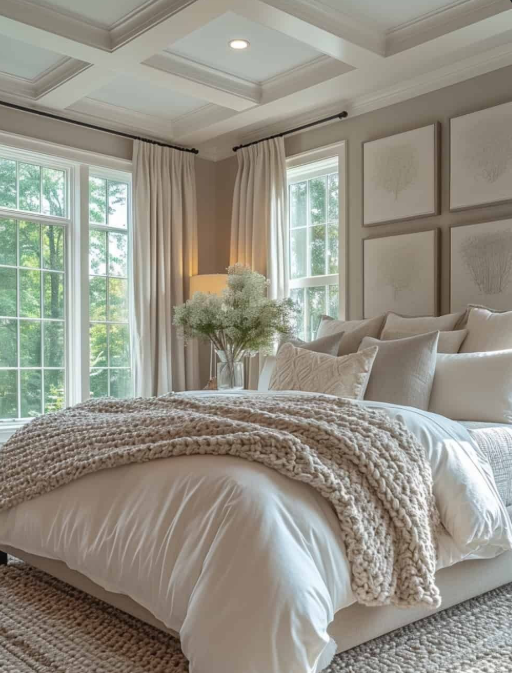
Light control is essential for quality sleep, yet window coverings are often treated as an afterthought. Sheer curtains alone may look beautiful, but they rarely block enough light—especially in urban areas with streetlights or early morning sun. Without proper blackout or layered window treatments, even small amounts of light can interfere with deep sleep and cause early wake-ups.

3. Choosing Style over Comfort

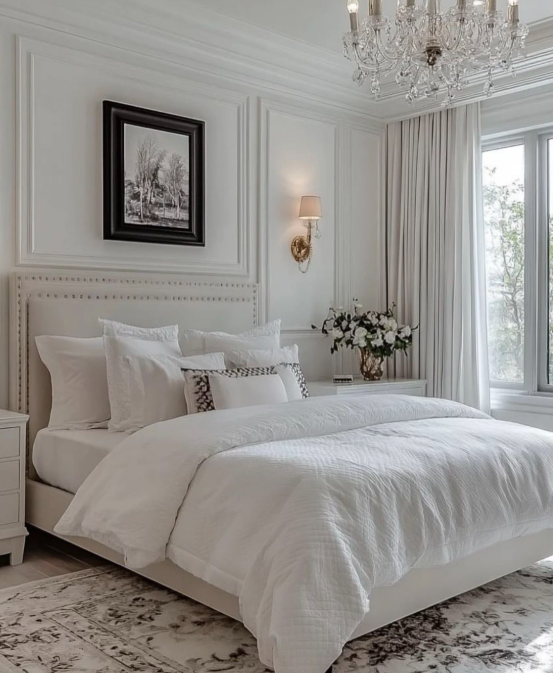
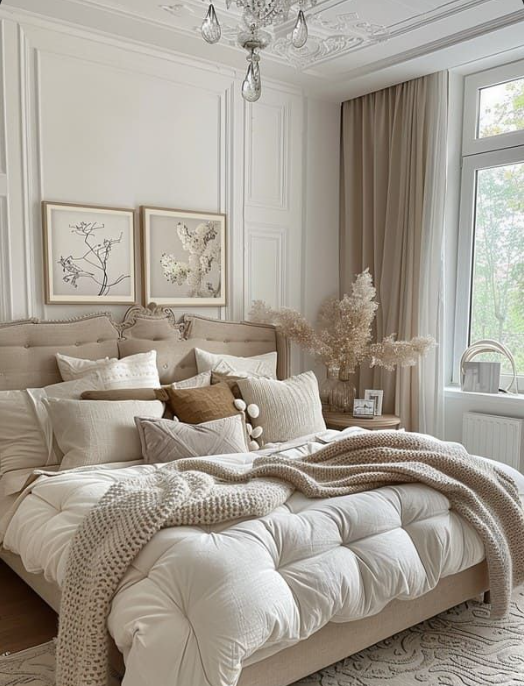
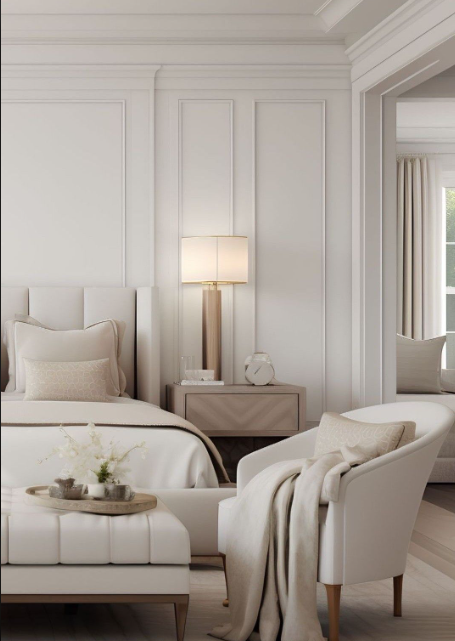
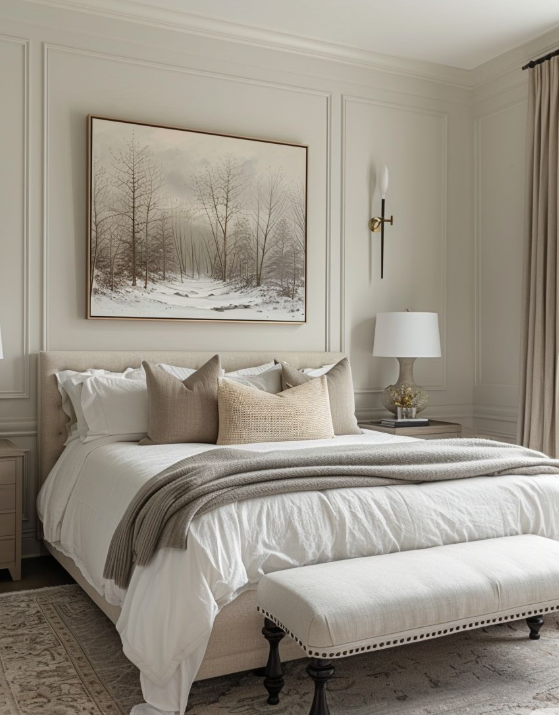
A bedroom should feel inviting, not showroom-stiff. Overly minimalist spaces, hard surfaces, or furniture selected purely for aesthetics can leave the room feeling cold and unwelcoming. Soft textures, upholstered elements, layered bedding, and warm materials help create a sense of comfort and calm that encourages rest.

4. Overcrowding the Space & Poor Furniture Placement

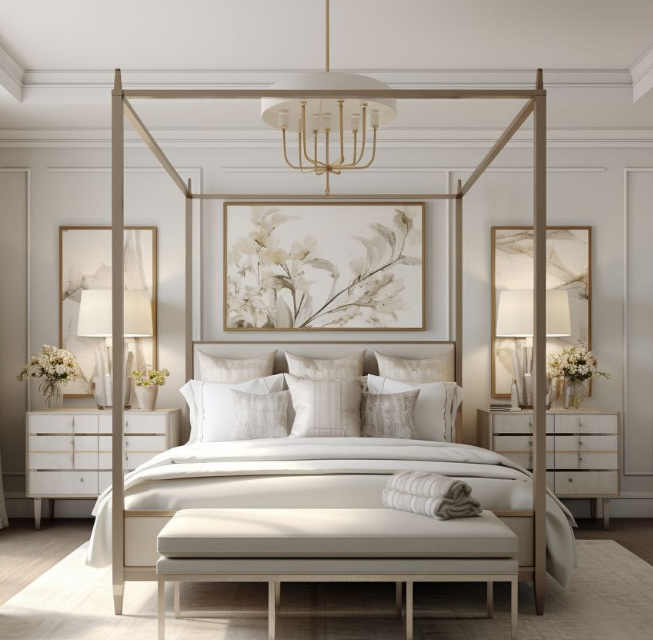
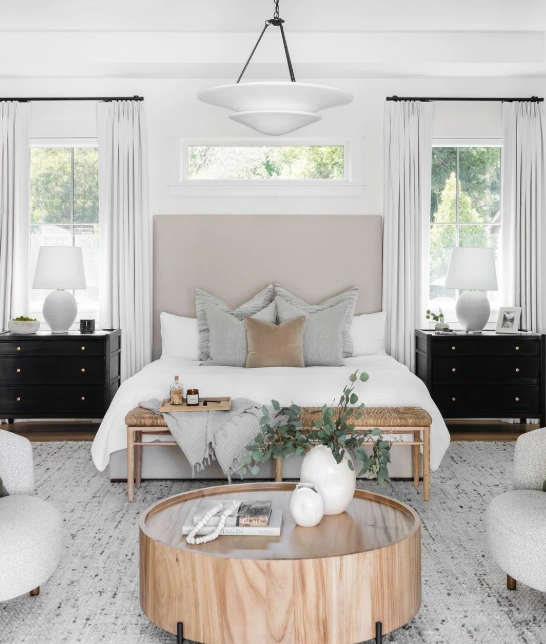
Too much furniture can make a bedroom feel tight and chaotic, even if everything is beautiful. When circulation paths are cramped or storage is inadequate, the room can feel stressful rather than serene. A good layout prioritizes clear walkways, balanced proportions, and furniture scaled appropriately for the size of the room.


Placing the bed too close to doors, windows, or heating vents can affect both comfort and sleep quality. Drafts, noise, and visual distractions all play a role in how relaxed you feel at night. Thoughtful bed placement—anchored by a solid headboard and positioned away from interruptions—helps establish a sense of stability and calm.
5. Forgetting About Sound Control
Bedrooms that lack sound insulation or absorbent materials can amplify noise from other areas of the home or outdoors. Hard flooring, minimal textiles, and hollow doors can all contribute to sound transfer. Area rugs, drapery, upholstered furniture, and even acoustic wall treatments can significantly improve the quietness of the space.

6. Using the Wrong Color Palette

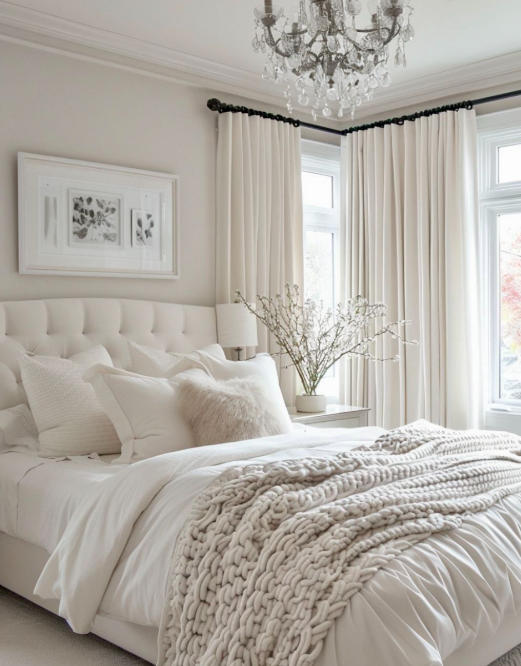
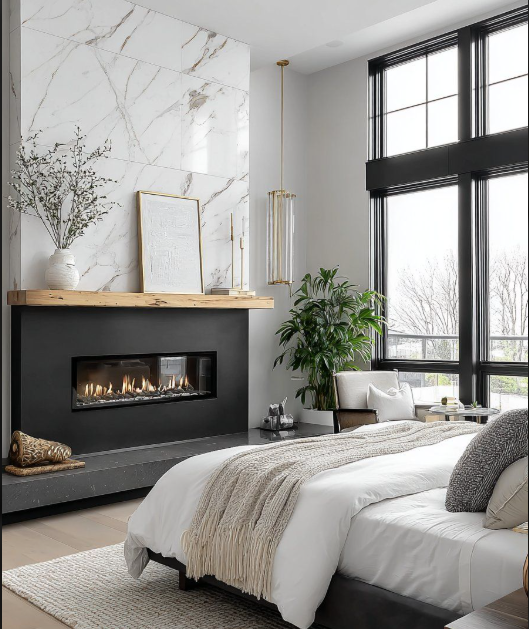
Bold, high-contrast colours or overly dark tones can feel dramatic, but they don’t always promote relaxation. While personal preference matters, bedrooms generally benefit from softer, muted palettes that create a soothing atmosphere. Layering neutral tones with subtle contrast adds interest without overwhelming the senses.


7. Neglecting Storage Solutions

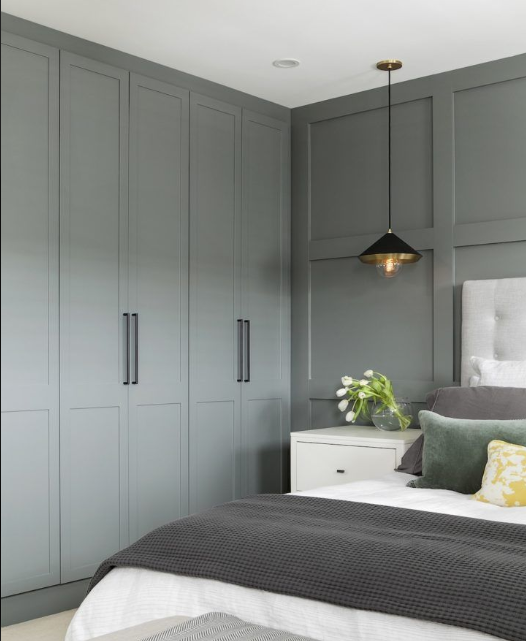
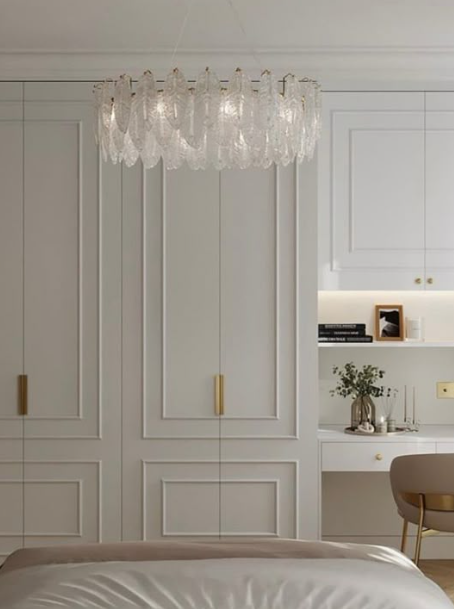
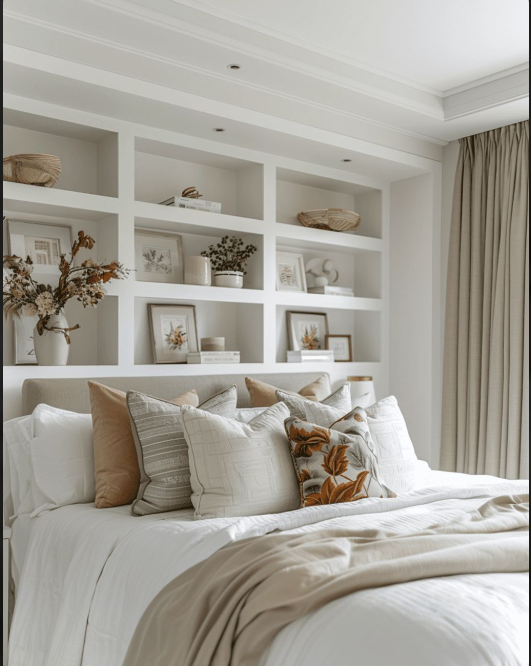
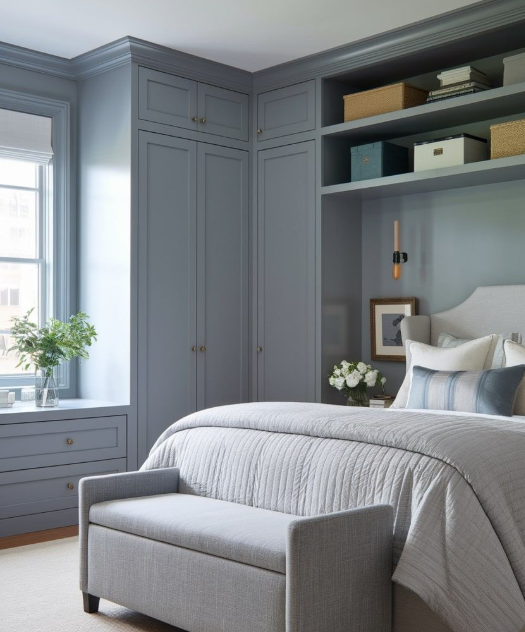
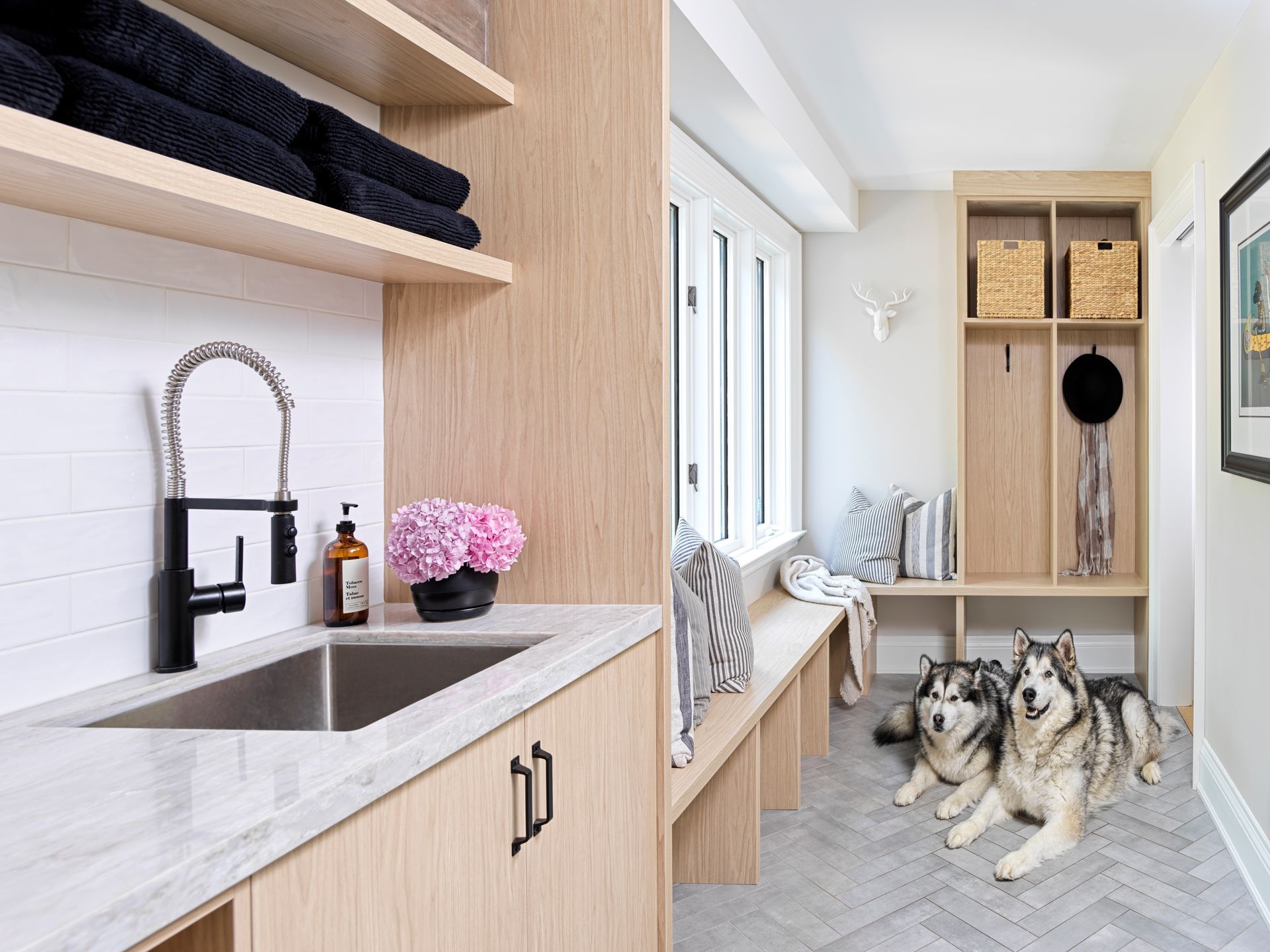
Clutter has a direct impact on mental rest. When clothing, accessories, or everyday items don’t have a proper home, visual noise builds up—often subconsciously increasing stress levels. Integrated storage, custom millwork, or well-planned closets help keep the bedroom feeling calm, organized, and restful.

Final Thoughts...

Great bedroom design isn’t just about how a space looks—it’s about how it makes you feel. When layout, lighting, materials, and storage are thoughtfully considered, your bedroom becomes a true retreat that supports rest and rejuvenation. Whether you’re planning a full renovation or making small upgrades, addressing these common design mistakes can dramatically improve both your sleep quality and your everyday comfort.