Tips & Trends
How to Choose the Perfect Paint Color for Every Room
Published April, 2026

How to Choose the Perfect Paint Color for Every Room
Choosing paint colors can feel exciting… until you’re staring at dozens of swatches wondering why none of them look right on the wall. Paint is one of the most impactful design decisions you’ll make in your home, and when chosen thoughtfully, it can completely transform how a space looks and feels.
The key is understanding that there is no single “perfect” color—only the perfect color for each room and how you use it.
Start With the Purpose of the Room
Before you look at color chips, think about how the room functions.
- Is it a place to relax or energize?
- Is it used during the day, at night, or both?
- Do you want it to feel cozy, bright, dramatic, or calm?
The answers to these questions should guide your color direction long before you pick a specific shade.
Consider Natural and Artificial Light
Lighting dramatically affects how paint looks.
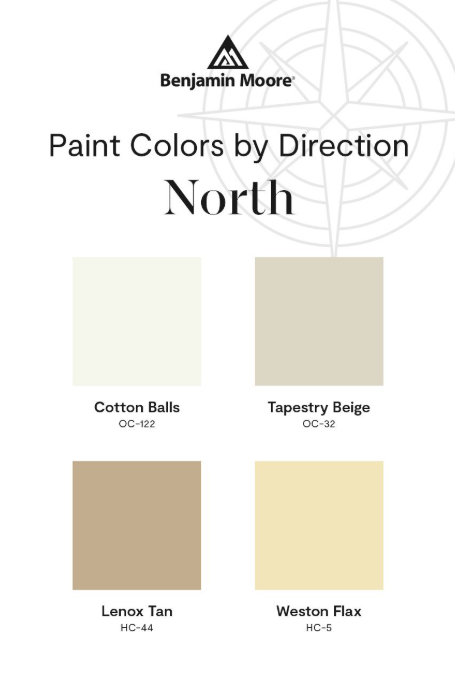
- North-facing rooms tend to feel cooler—warm tones help balance them.
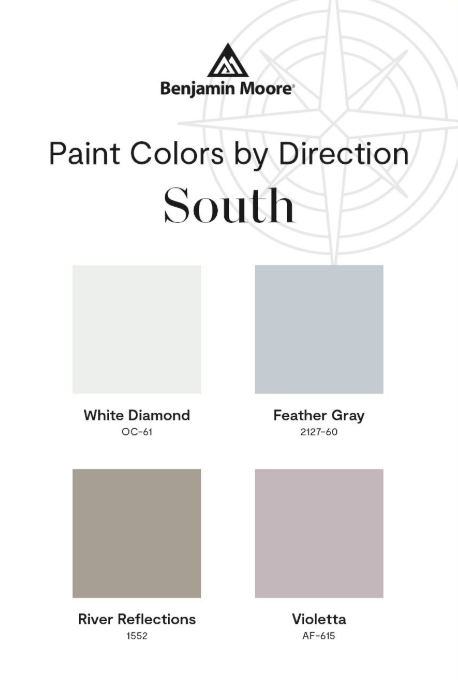
- South-facing rooms receive the most natural light and can handle both warm and cool colors beautifully.
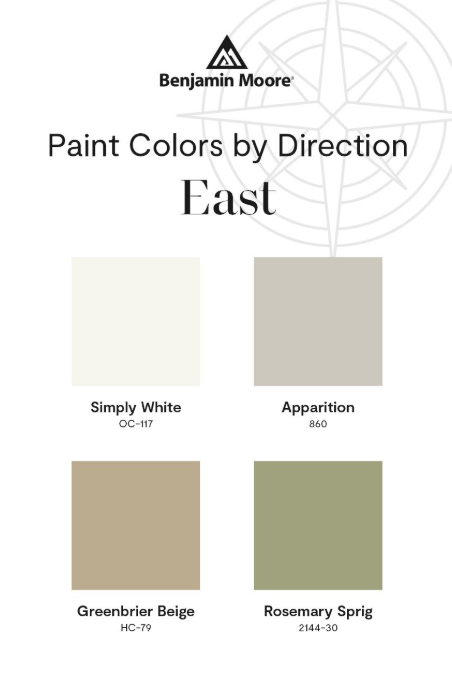
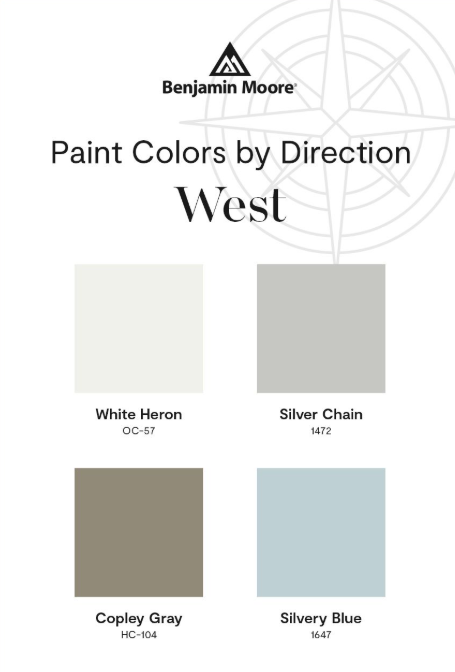
- East-facing rooms feel brighter in the morning; west-facing rooms glow in the afternoon and evening.
Always test paint samples on multiple walls and observe them throughout the day before committing.
Consider Natural and Artificial Light
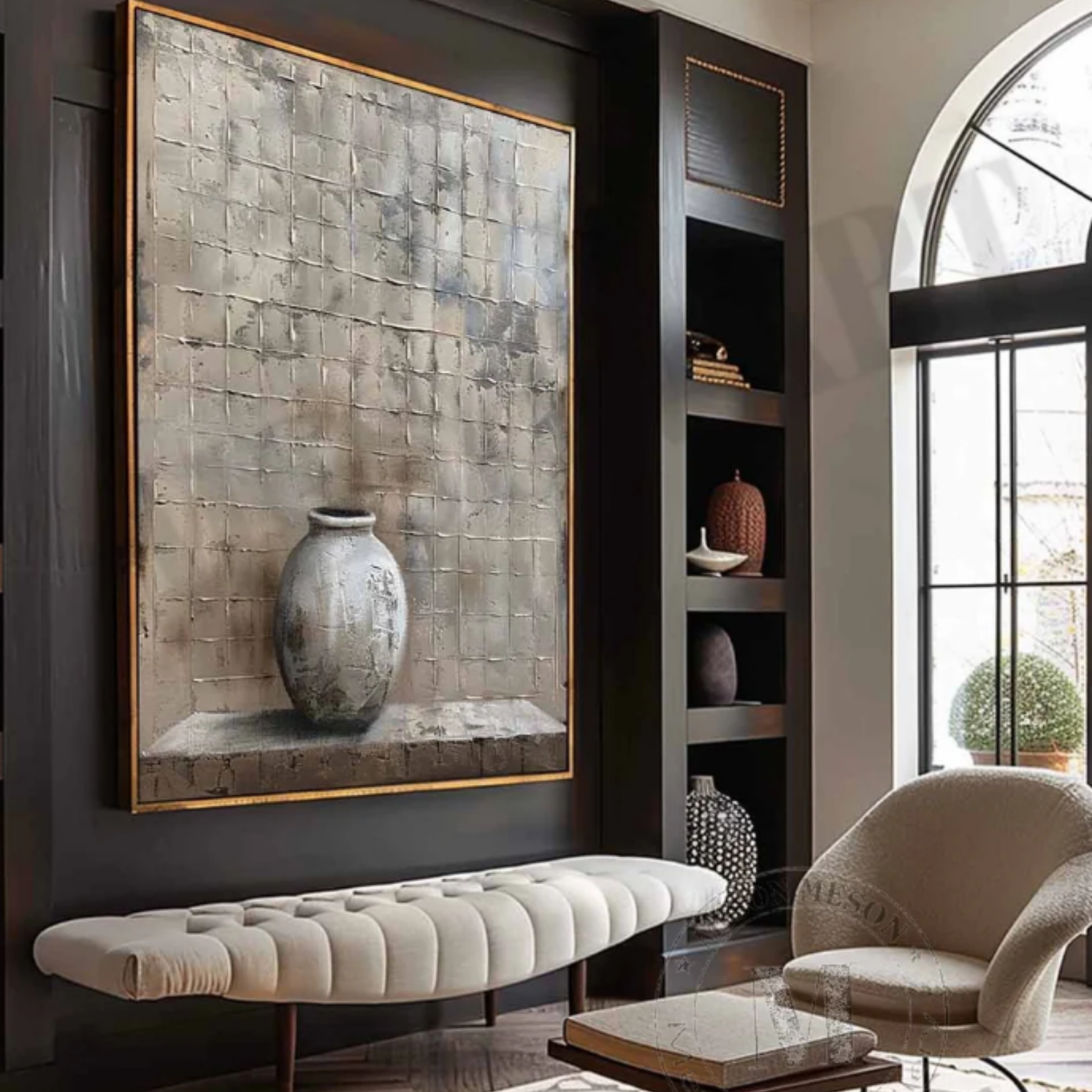
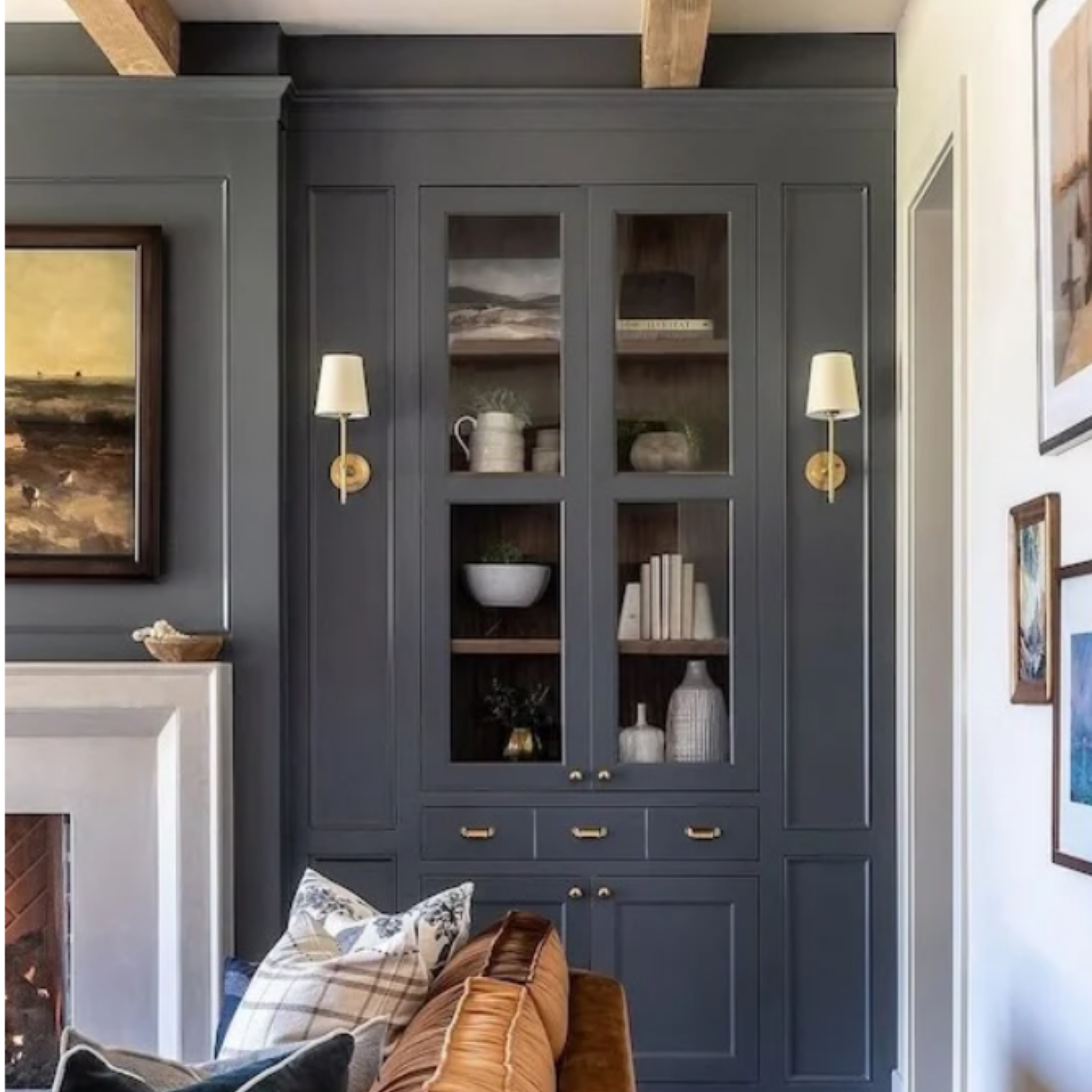
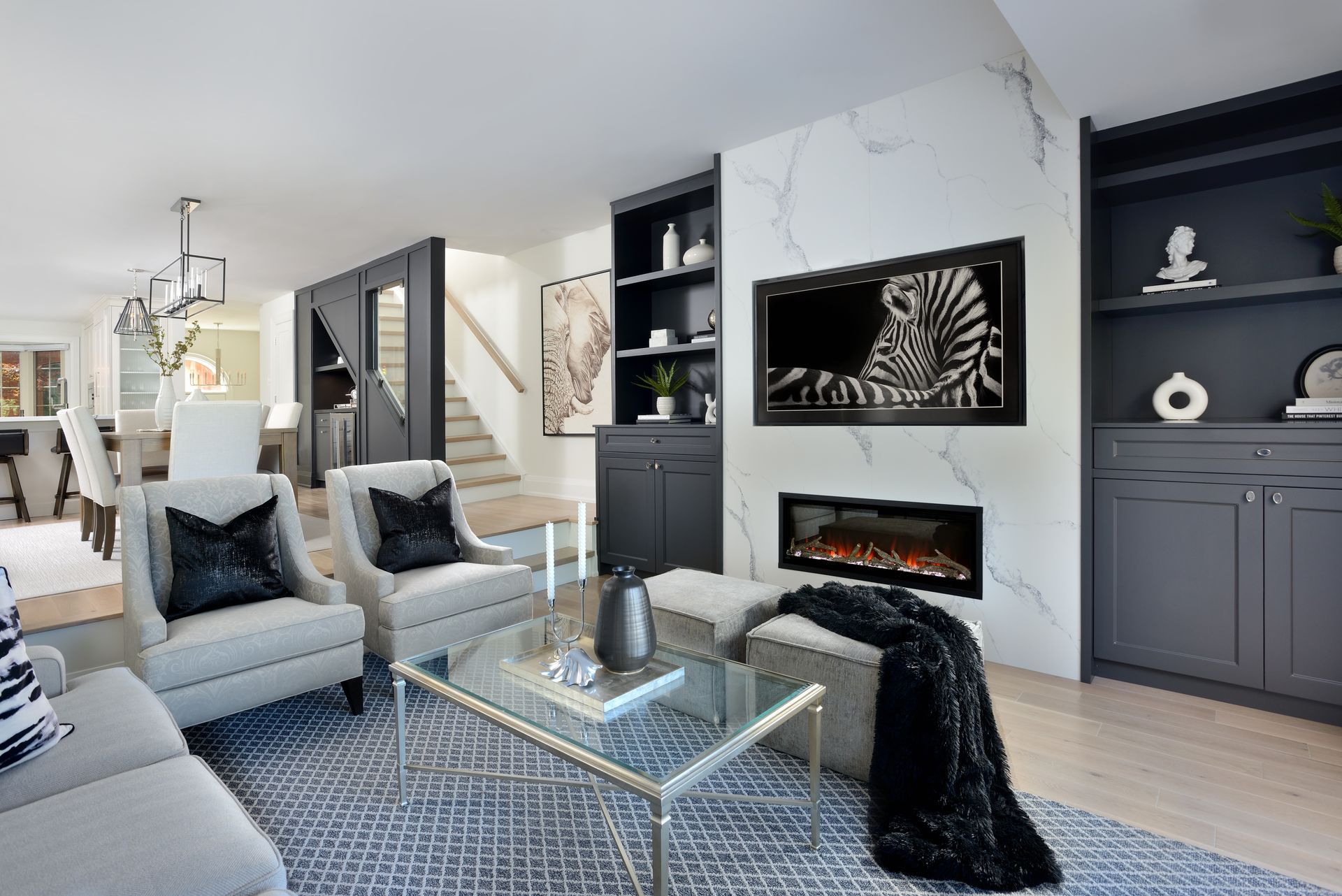
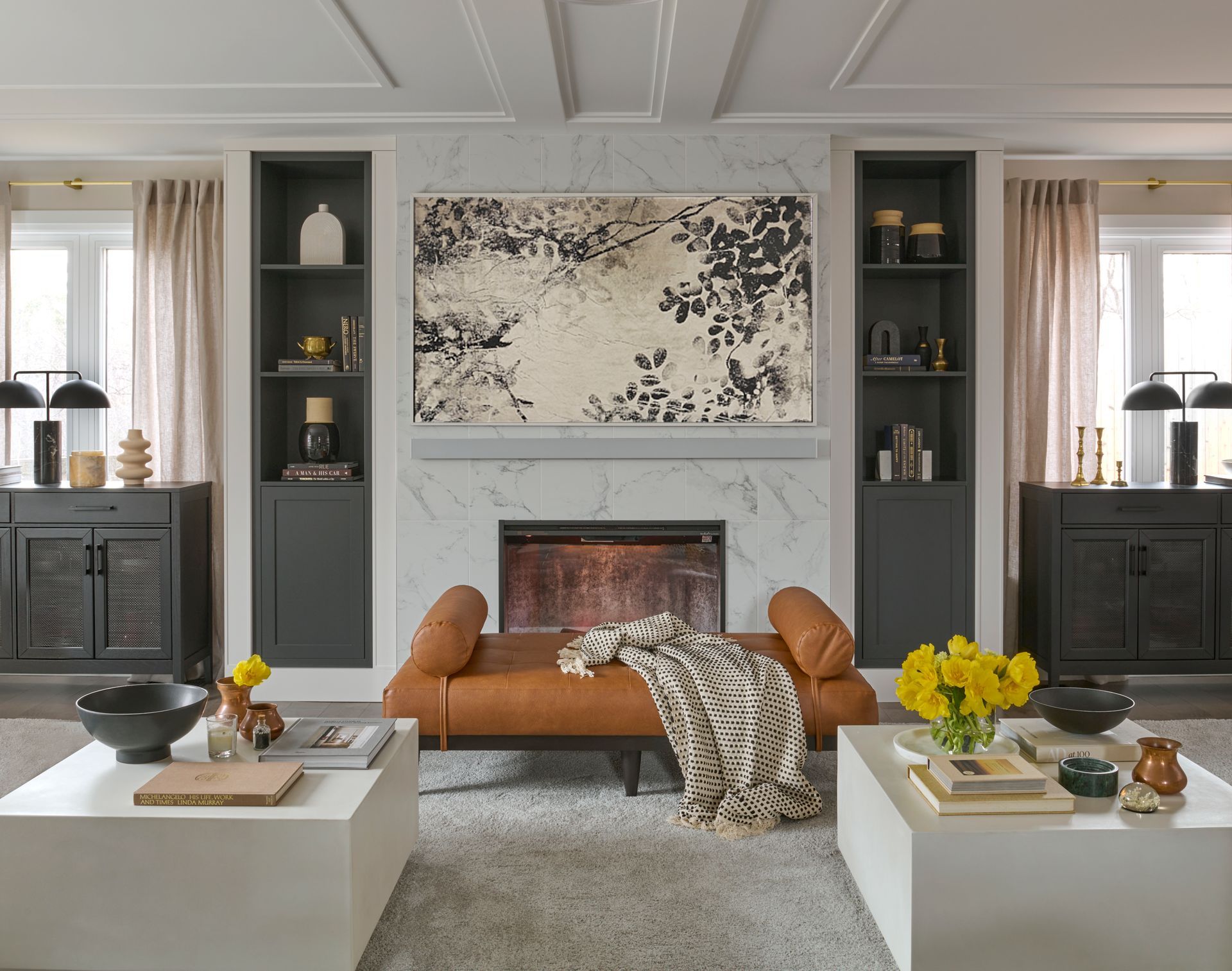
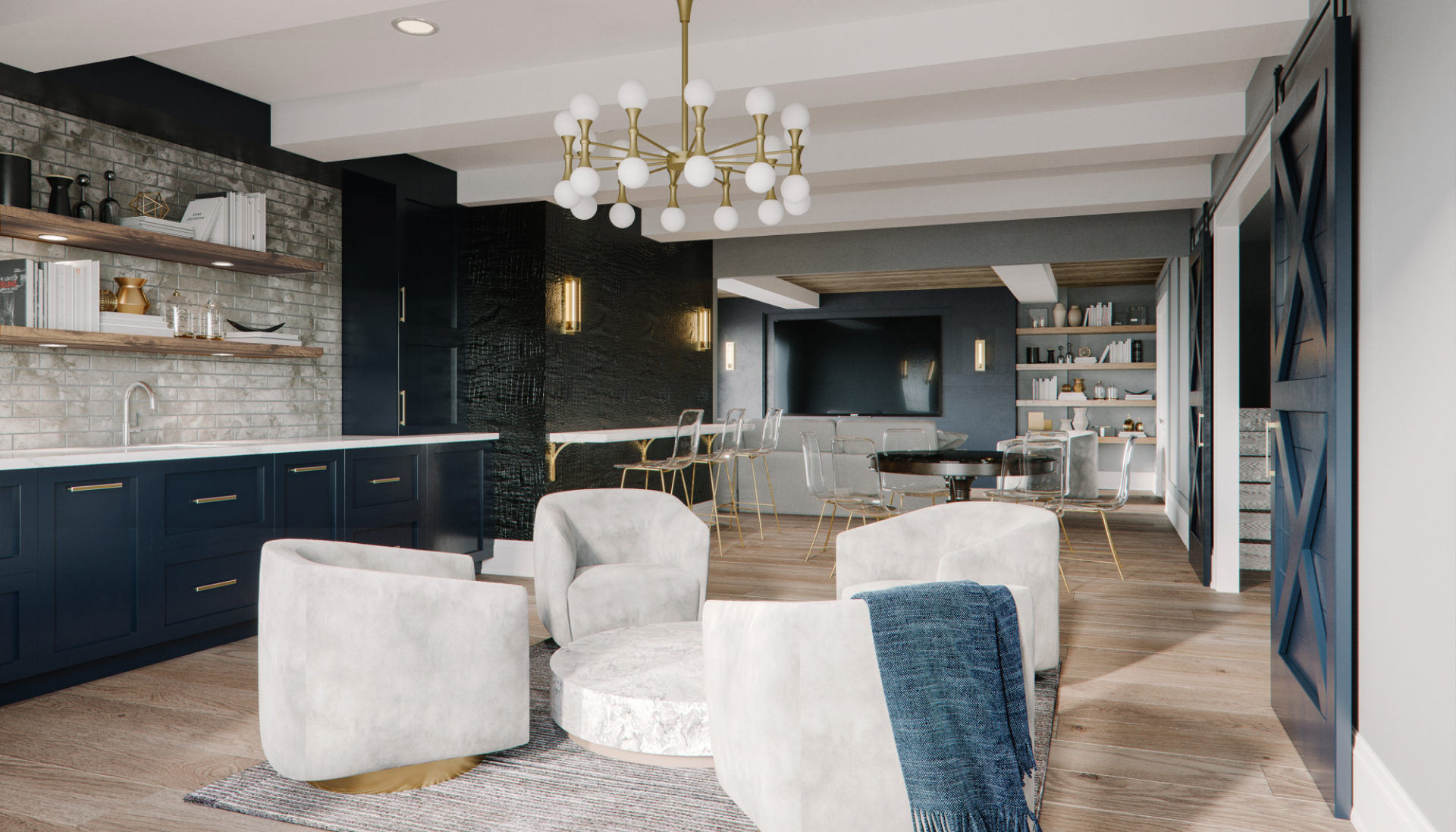
Living Room
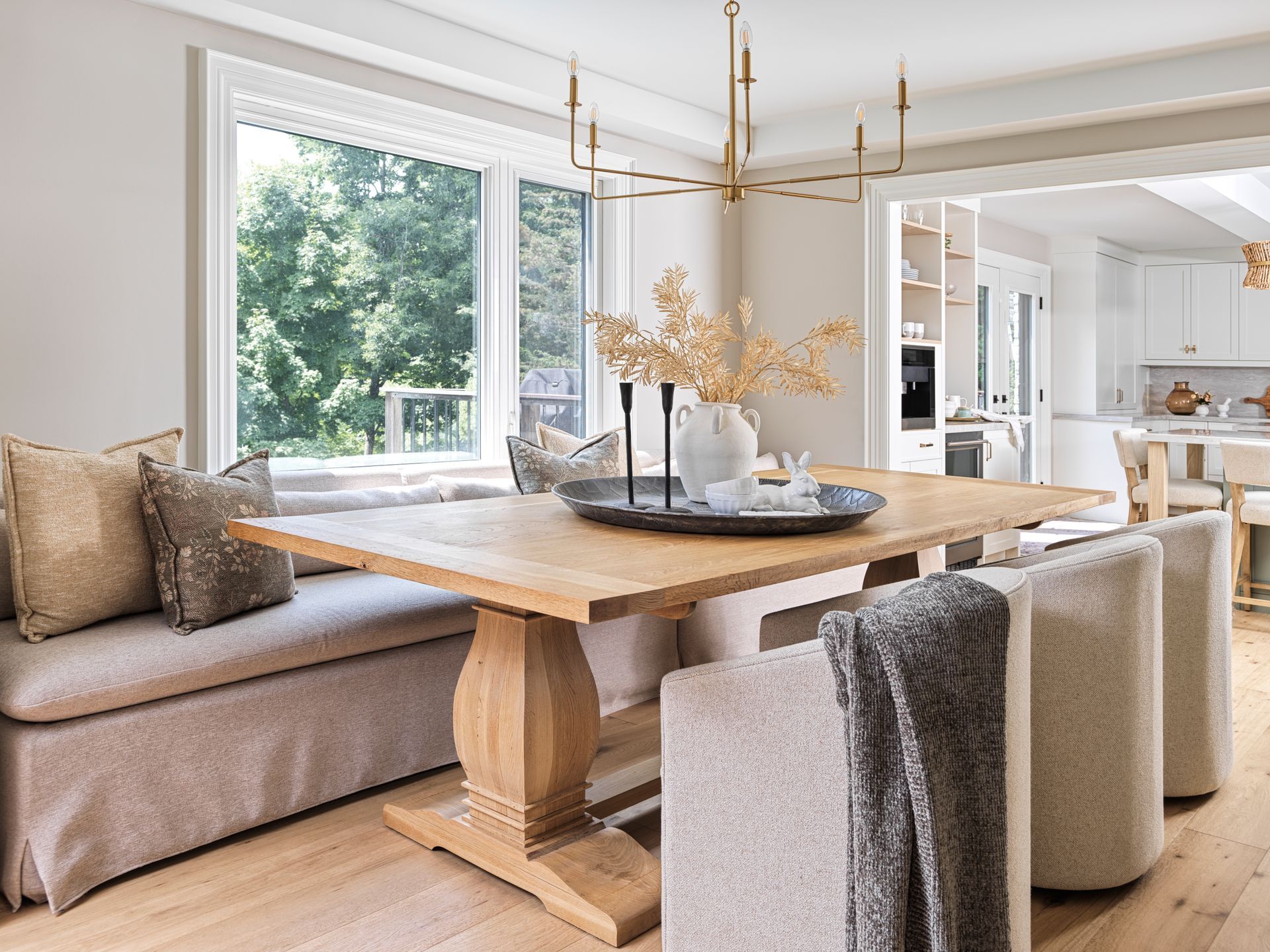
This is a gathering space, so warmth and comfort are key.
- Soft neutrals, warm whites, greiges, or muted earth tones work well.

- Add personality with accent colors through art or furniture rather than bold wall colors if you want flexibility.
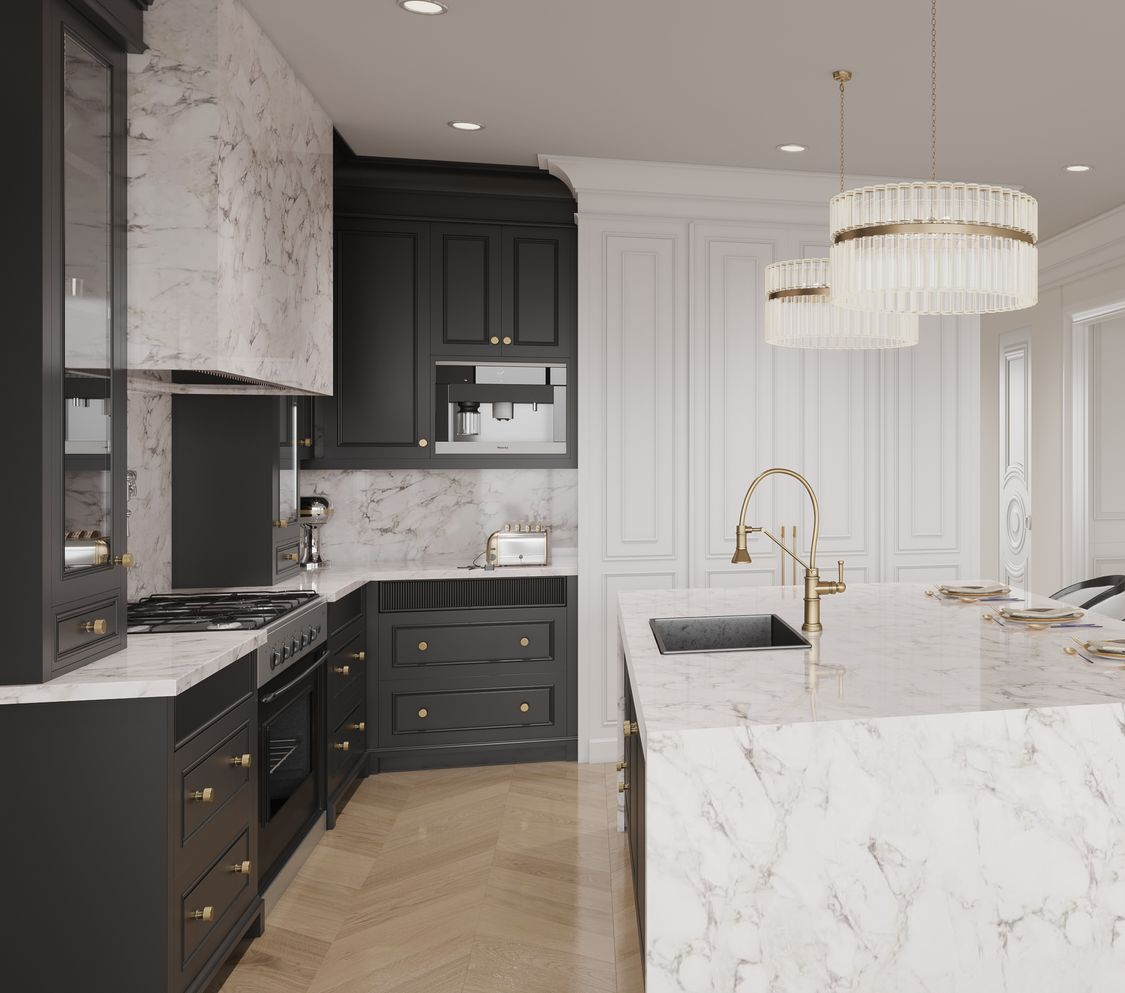
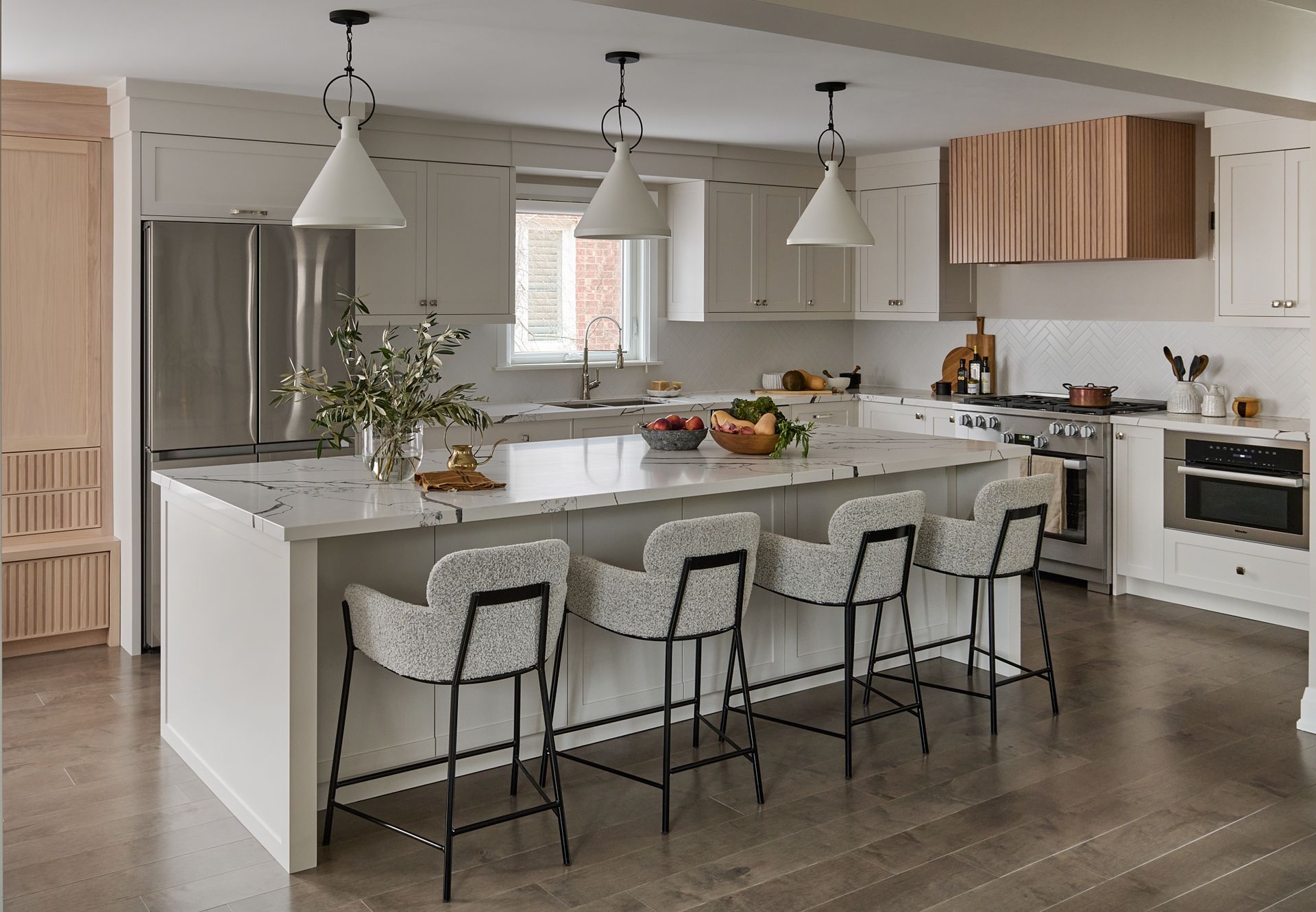
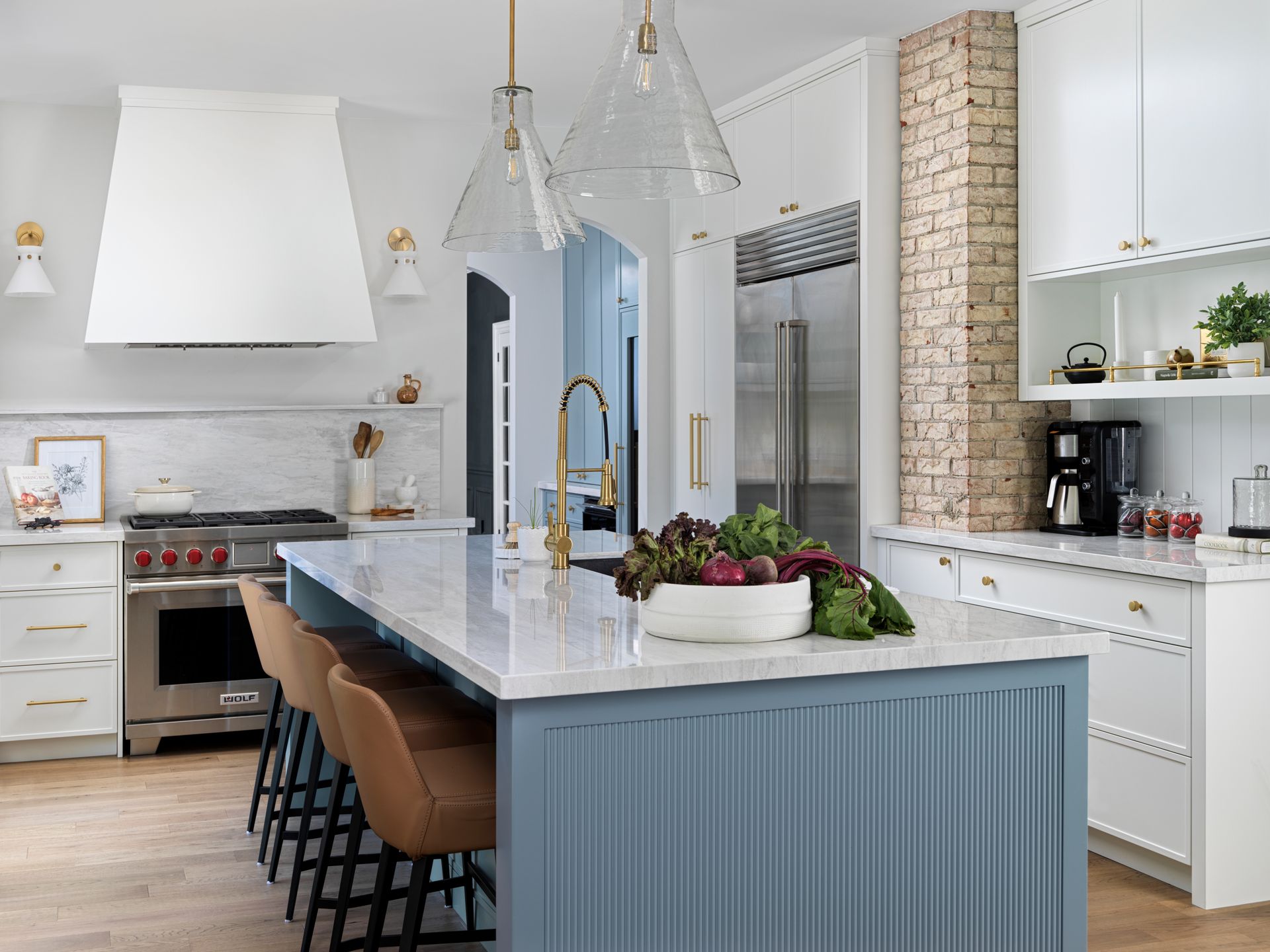
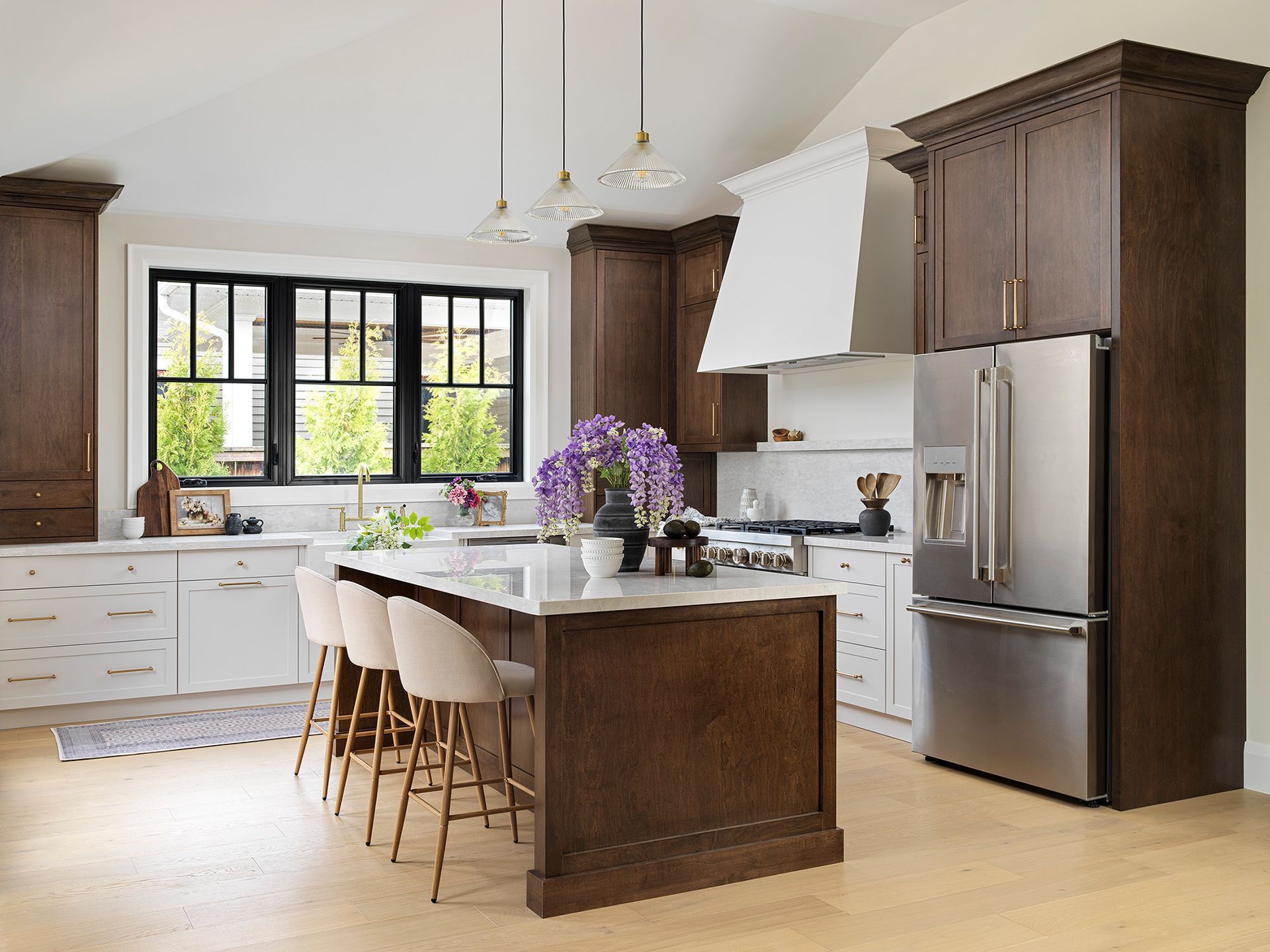
The Kitchen
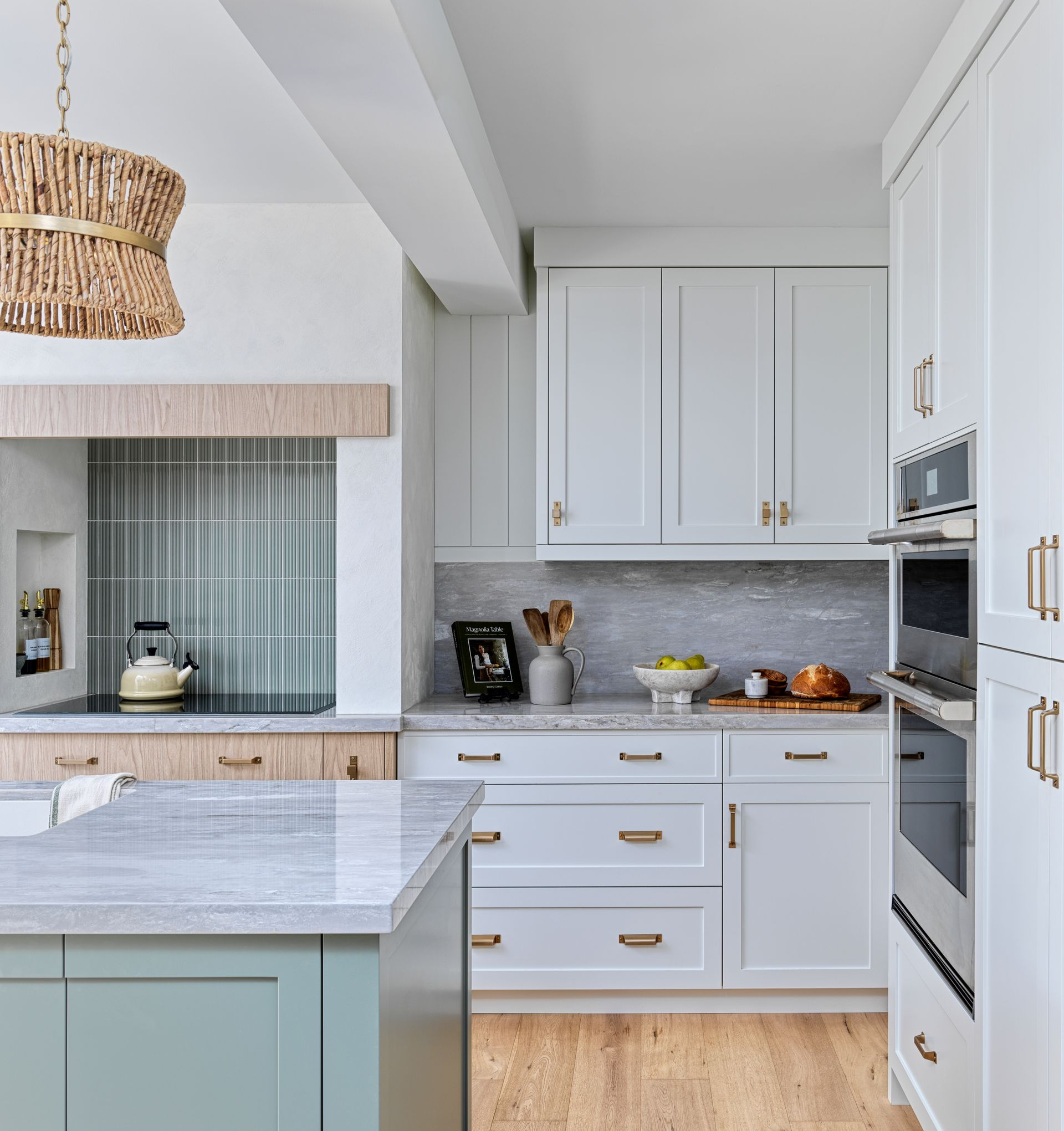
Kitchens benefit from fresh, clean, and inviting colors.
- Soft whites, warm off-whites, pale greens, or light blues are timeless choices.

- Avoid overly dark colors unless the kitchen is large and well-lit.
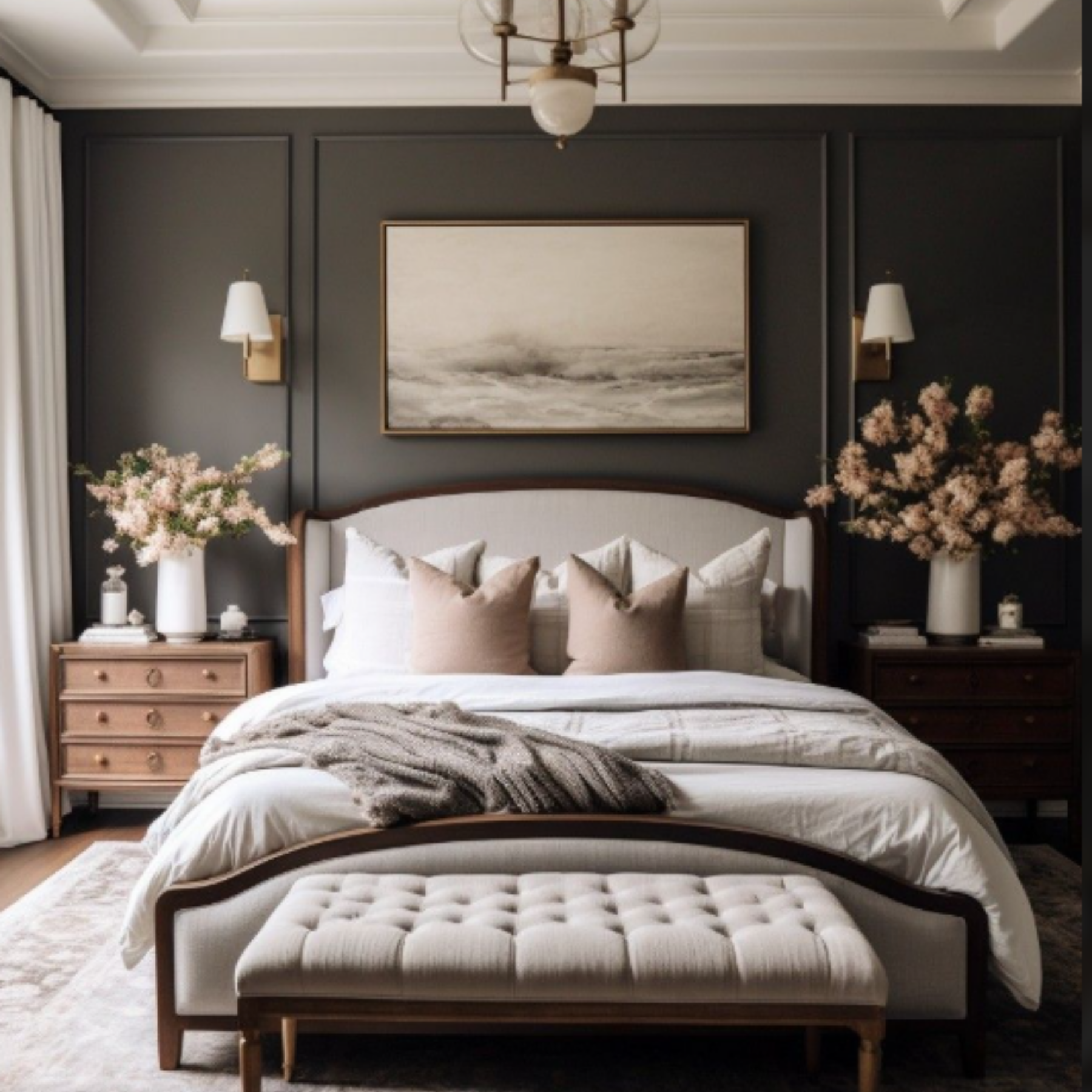
The Bedroom
Bedrooms should promote rest and relaxation.
- Soft blues, greens, warm neutrals, and gentle grays create a calming environment.
- Avoid highly saturated or stimulating colors on all four walls.

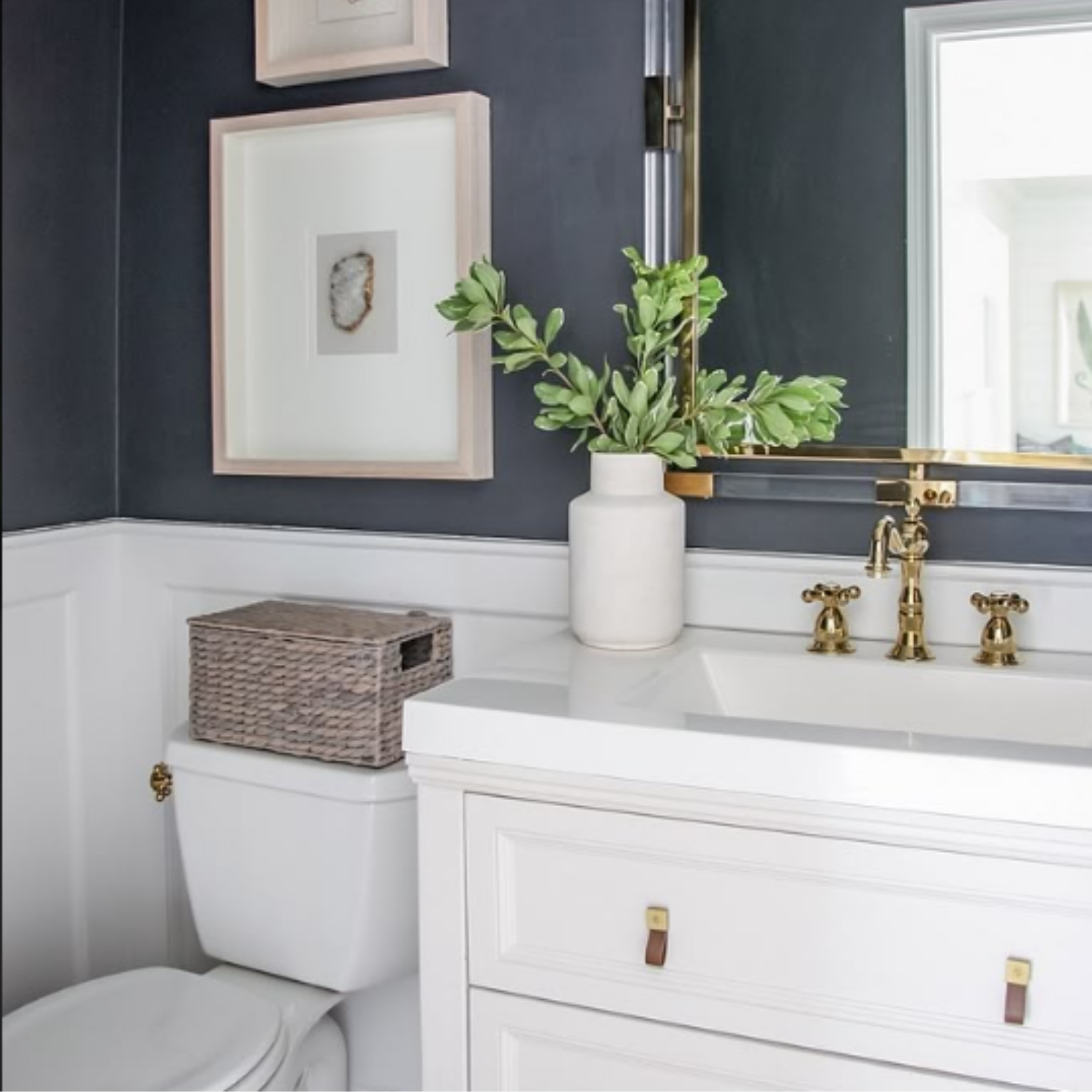
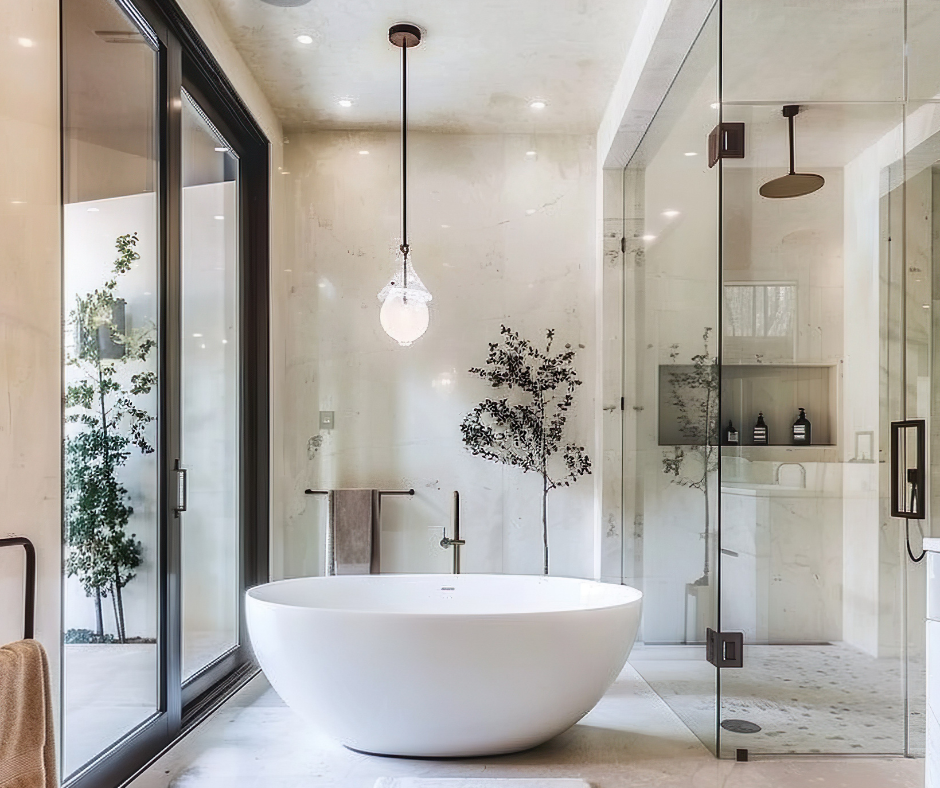
The Bathroom
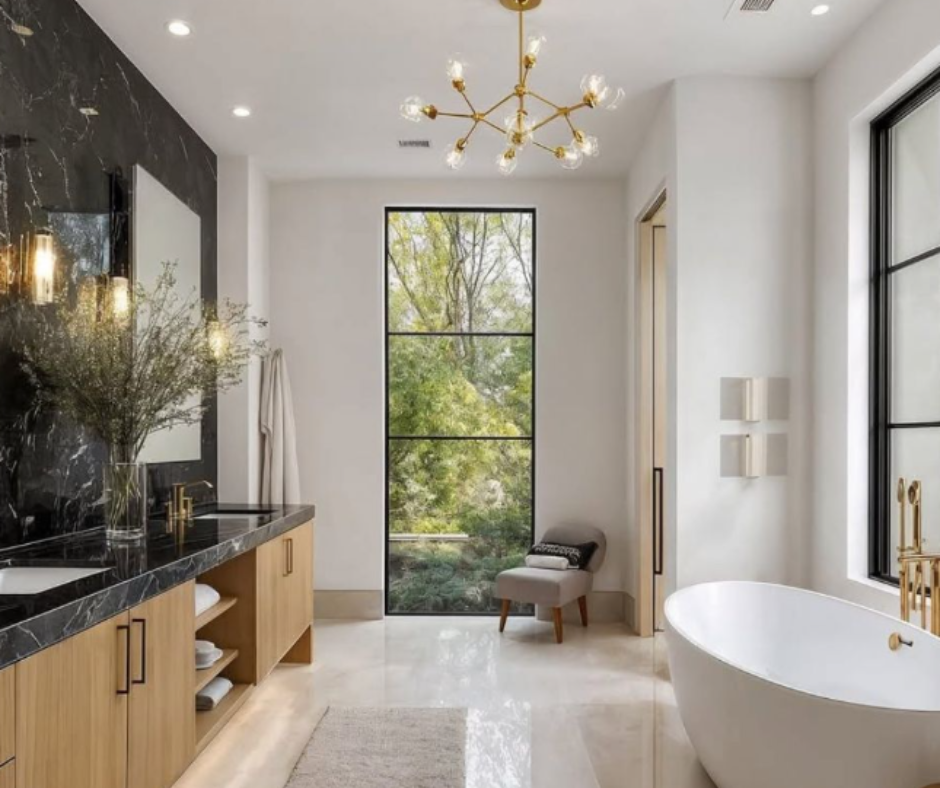
Think spa-like and serene.
- Light blues, greens, soft grays, or warm whites work beautifully.
- Lighter colors also help smaller bathrooms feel larger and brighter.

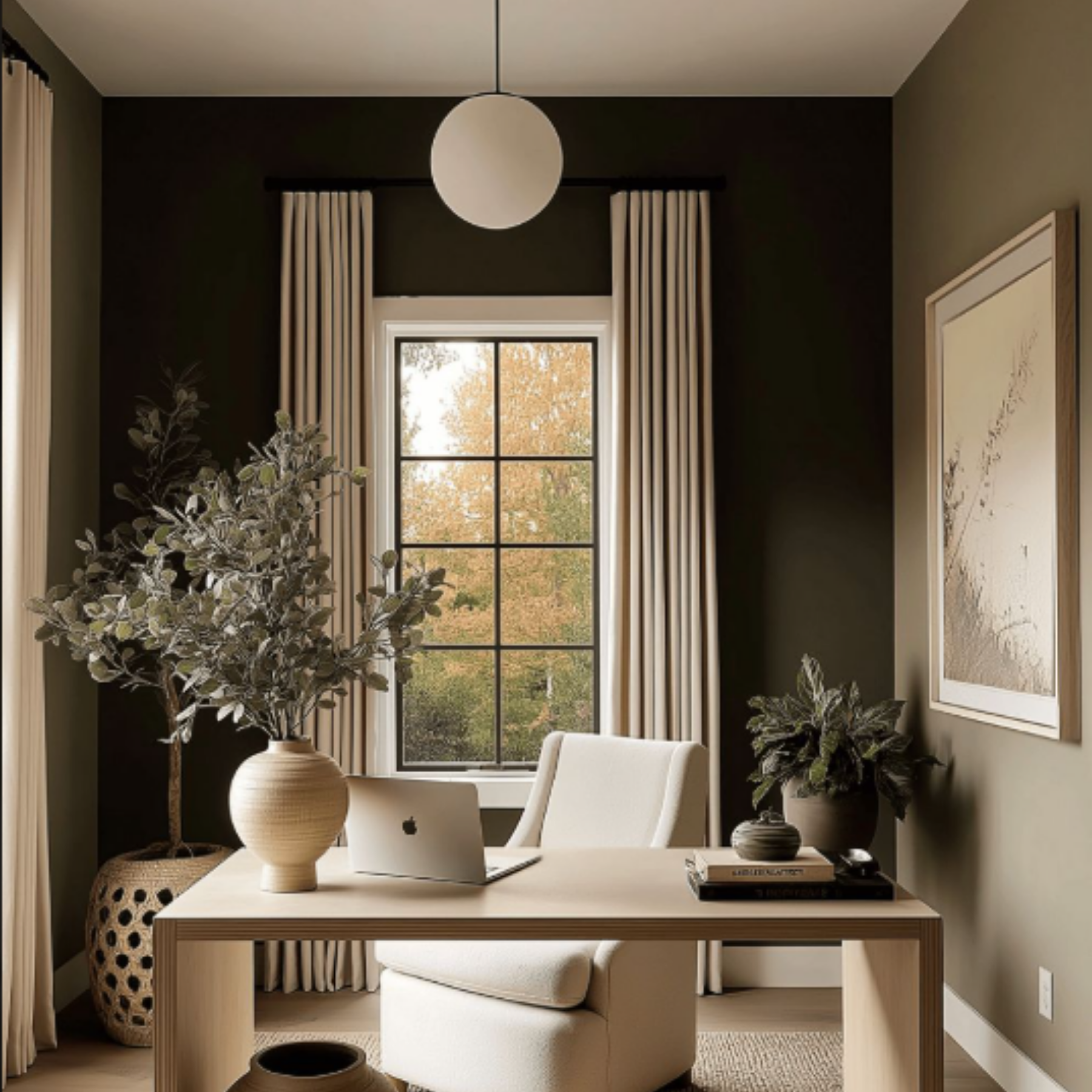
The Office
Focus and clarity matter here.
- Muted blues, greens, or warm neutrals encourage concentration.
- Avoid stark whites that can feel cold or cause eye strain.


Don't Forget the Undertones
Two colors that look similar can feel completely different once they’re on the wall. That’s because of undertones—subtle hints of yellow, pink, blue, or green.
- Match undertones to fixed elements like flooring, cabinetry, and tile.
- If your floors are warm, choose warm-toned paint.
- If your finishes lean cool, stick with cool undertones for consistency.
Test Before You Commit
Never skip this step.
- Paint large sample swatches directly on the wall.
- View them in daylight and artificial light.
- Live with them for a few days before making a final decision.
Paint is one of the easiest things to change—but choosing right the first time saves time, money, and frustration.

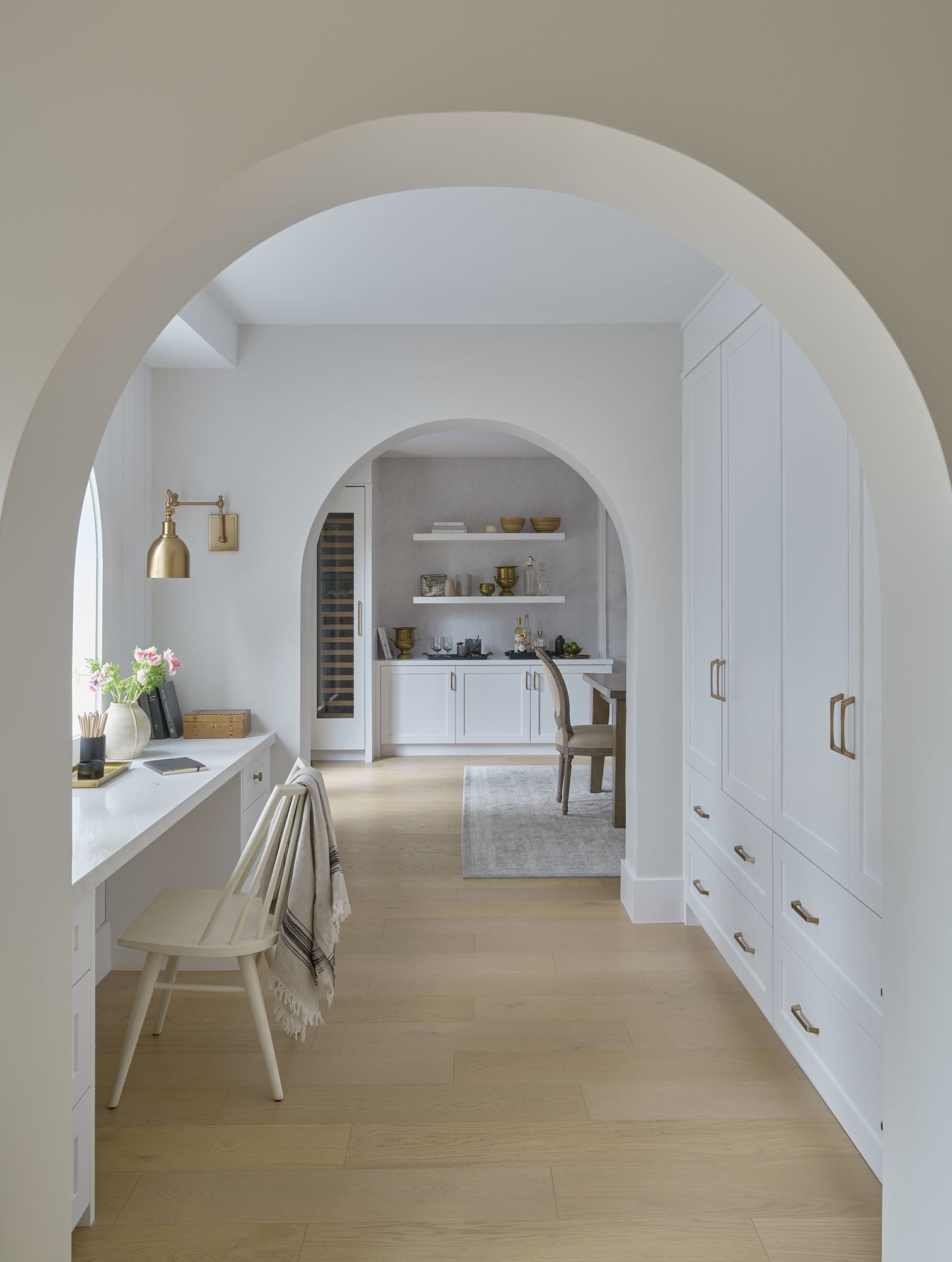
Create Flow Throughout
Your home should feel cohesive, not choppy.
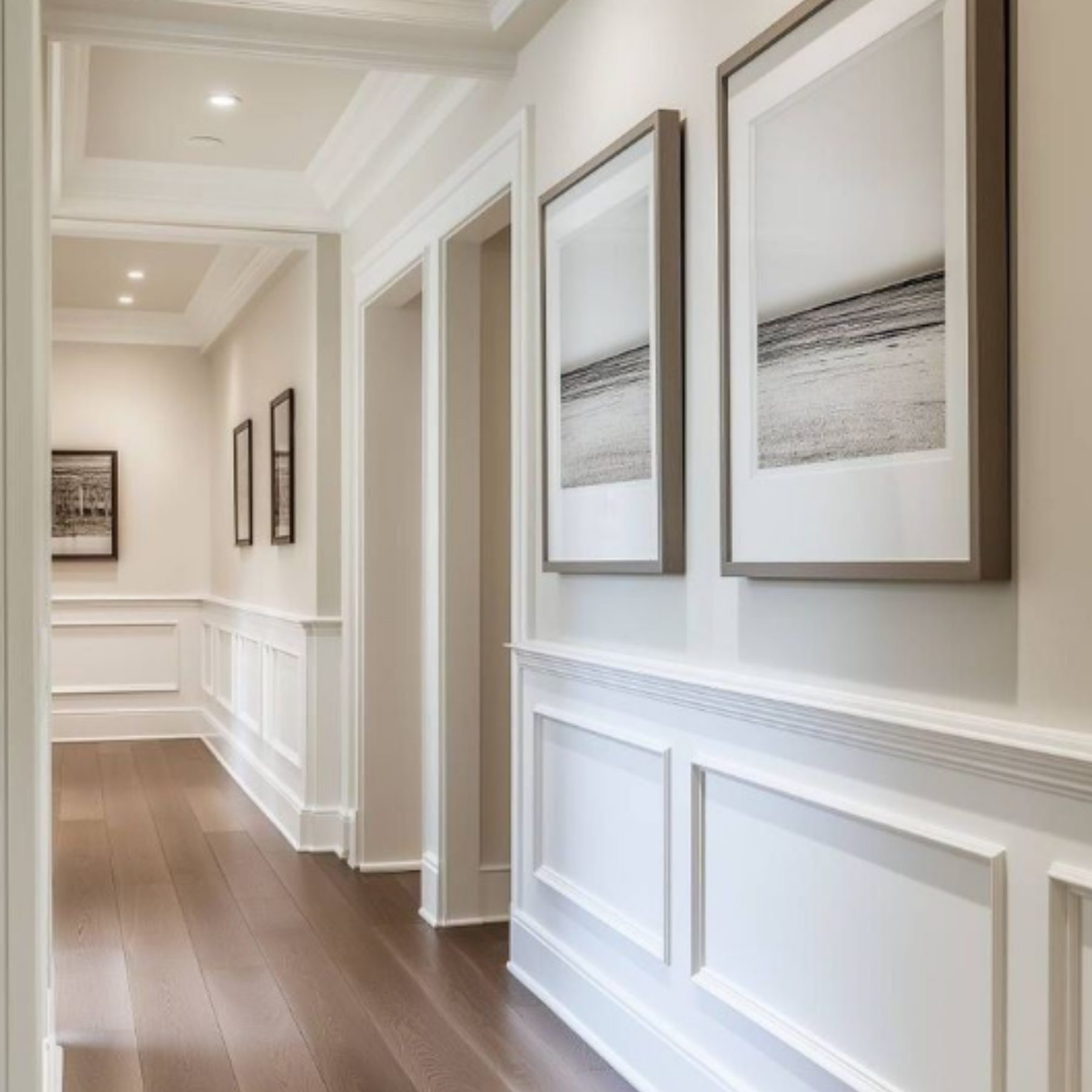
- Choose a main neutral that flows through common areas.
- Use complementary shades in adjoining rooms to create subtle transitions.
This approach keeps your home feeling intentional and well-designed.

Final Thoughts...
The perfect paint color isn’t about trends—it’s about balance, light, and how you want each room to feel. When chosen thoughtfully, paint becomes the foundation that ties your entire home together.
If you’re ever unsure, remember: the right color should feel effortless, comfortable, and undeniably you.