Get in touch with us
Your Home Your Way
Cresmark is a full service Boutique Design-Build firm specializing in high-end residential Custom Homes and Home Renovations.
Whether you’re moving into a new home or updating your current one, knowing where to start can feel overwhelming.
The right priorities can improve how your home functions today while adding long-term value.
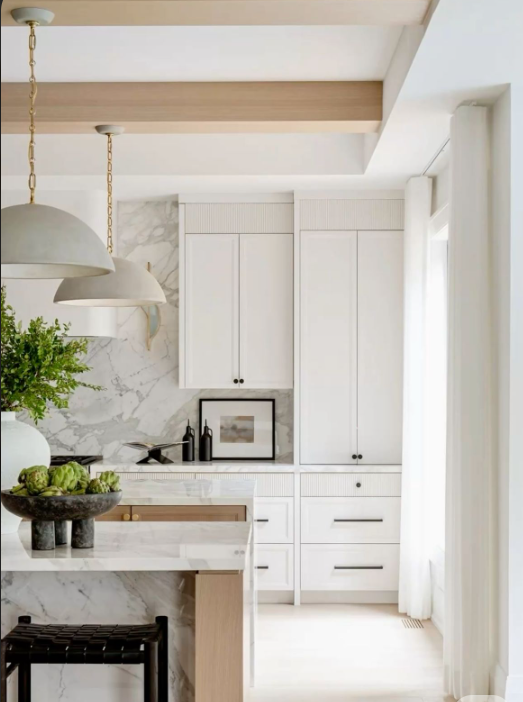
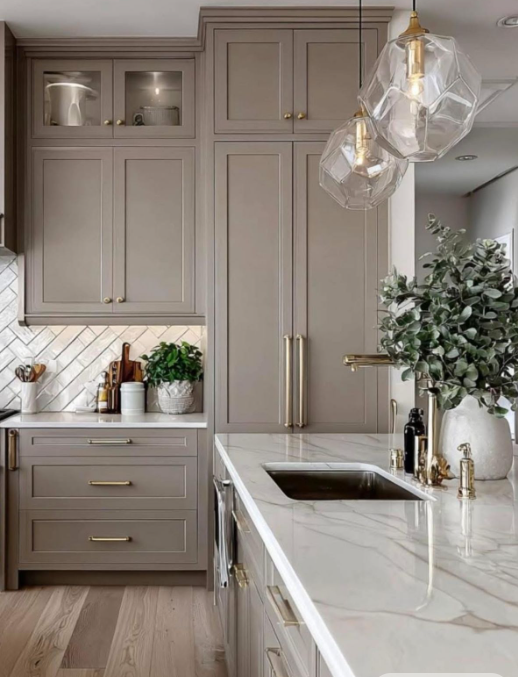
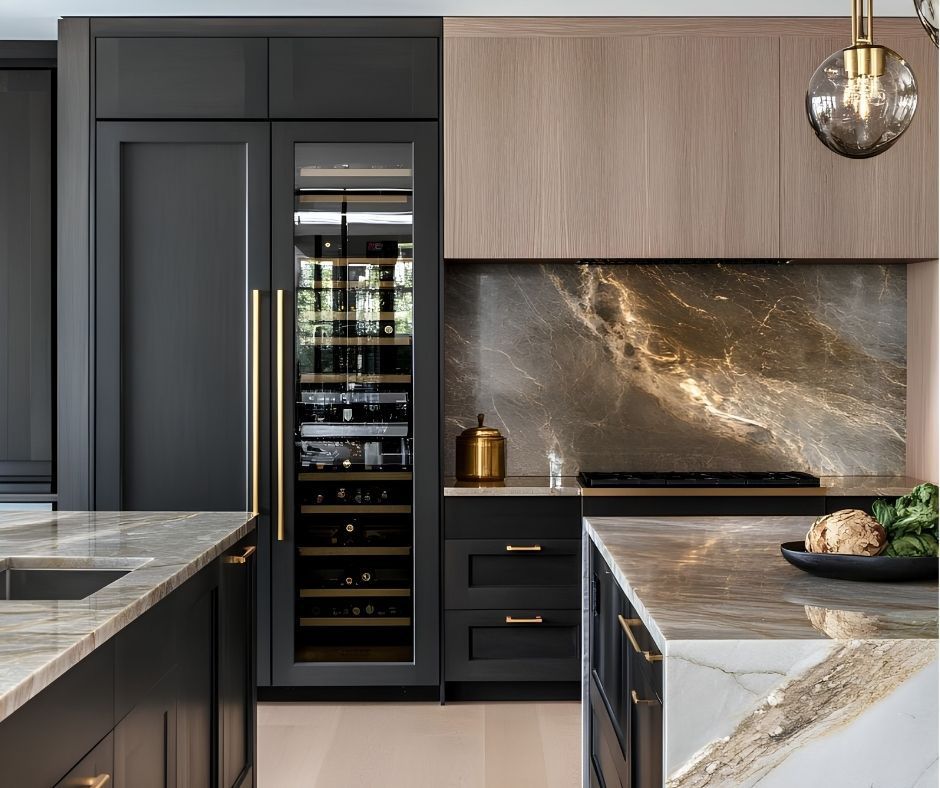
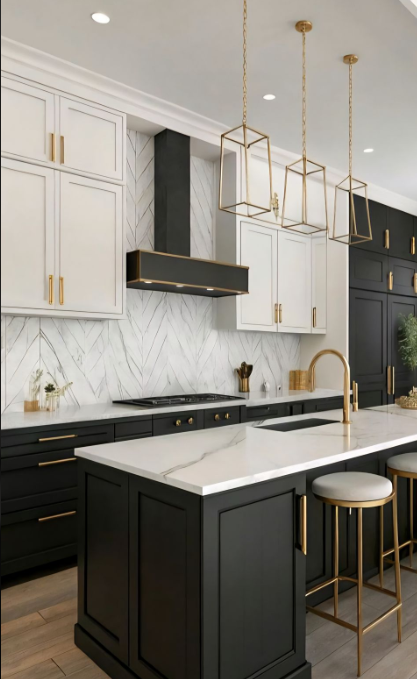
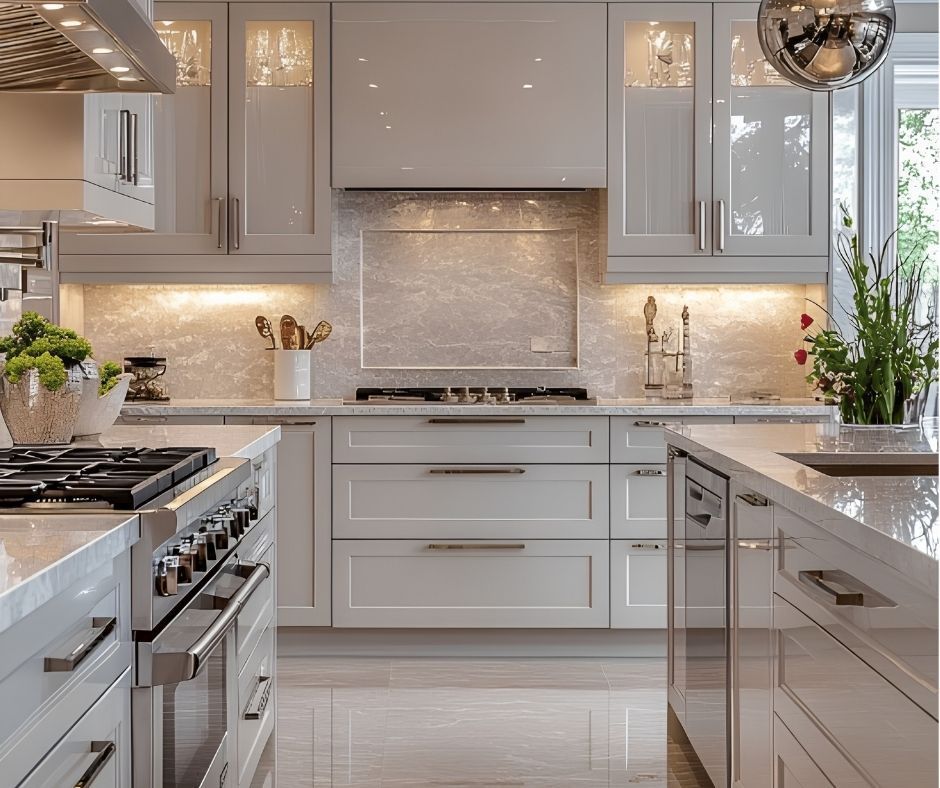
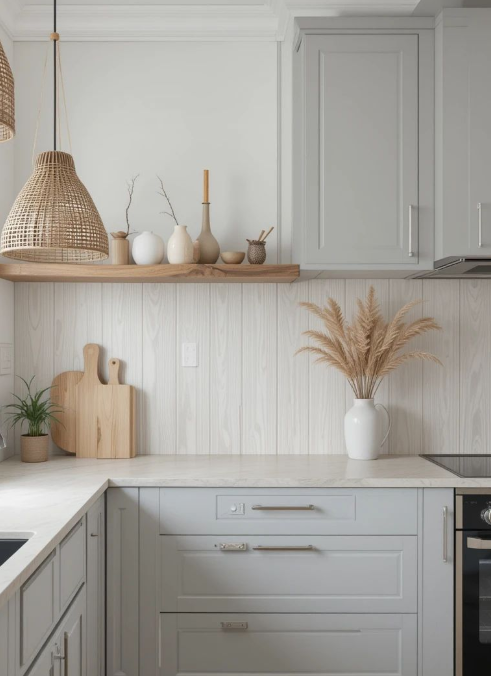
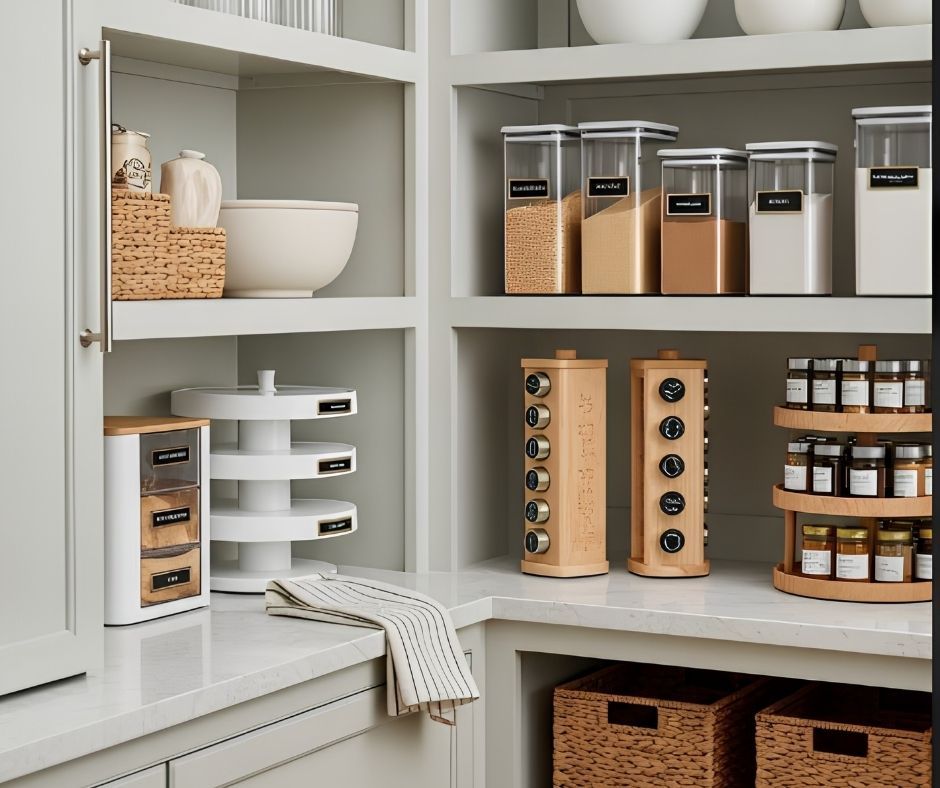
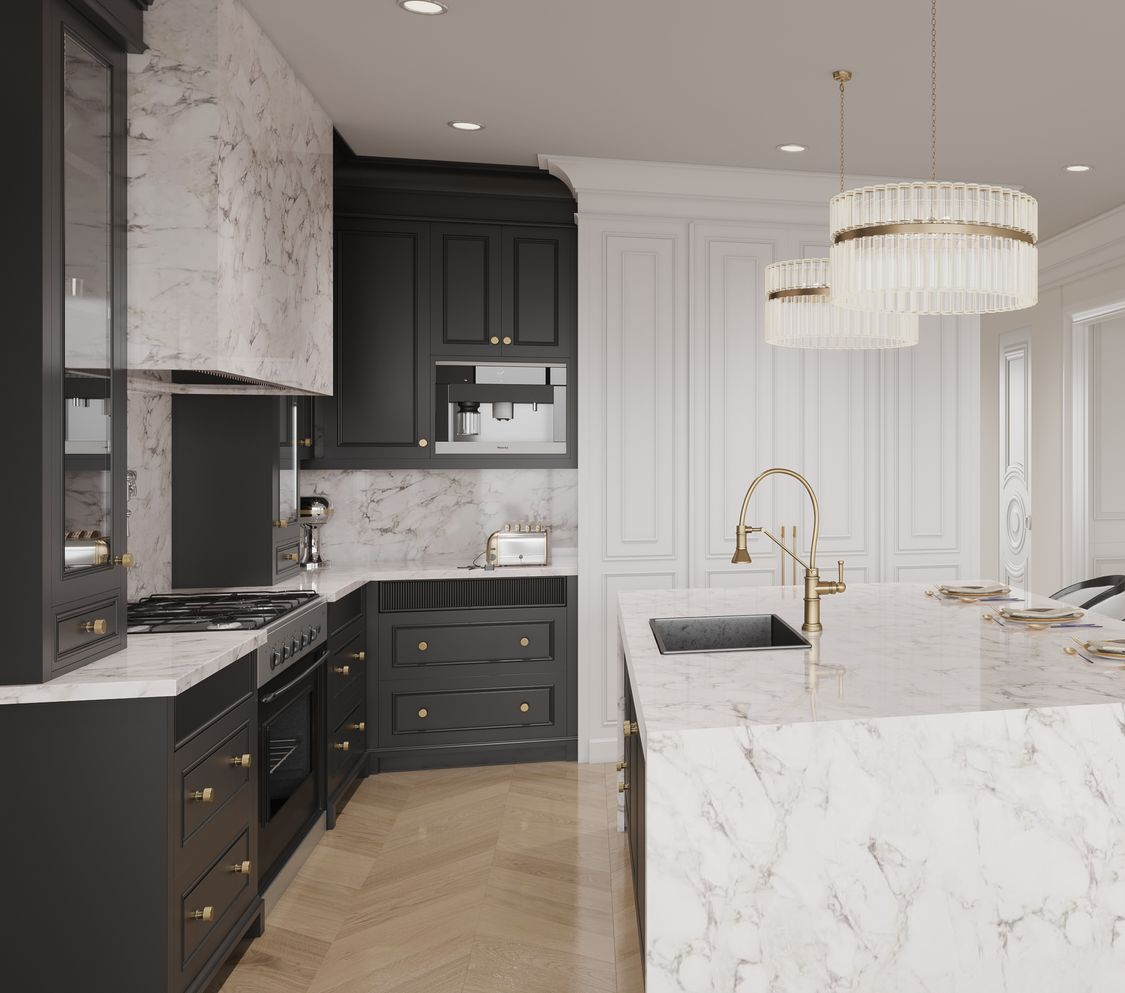
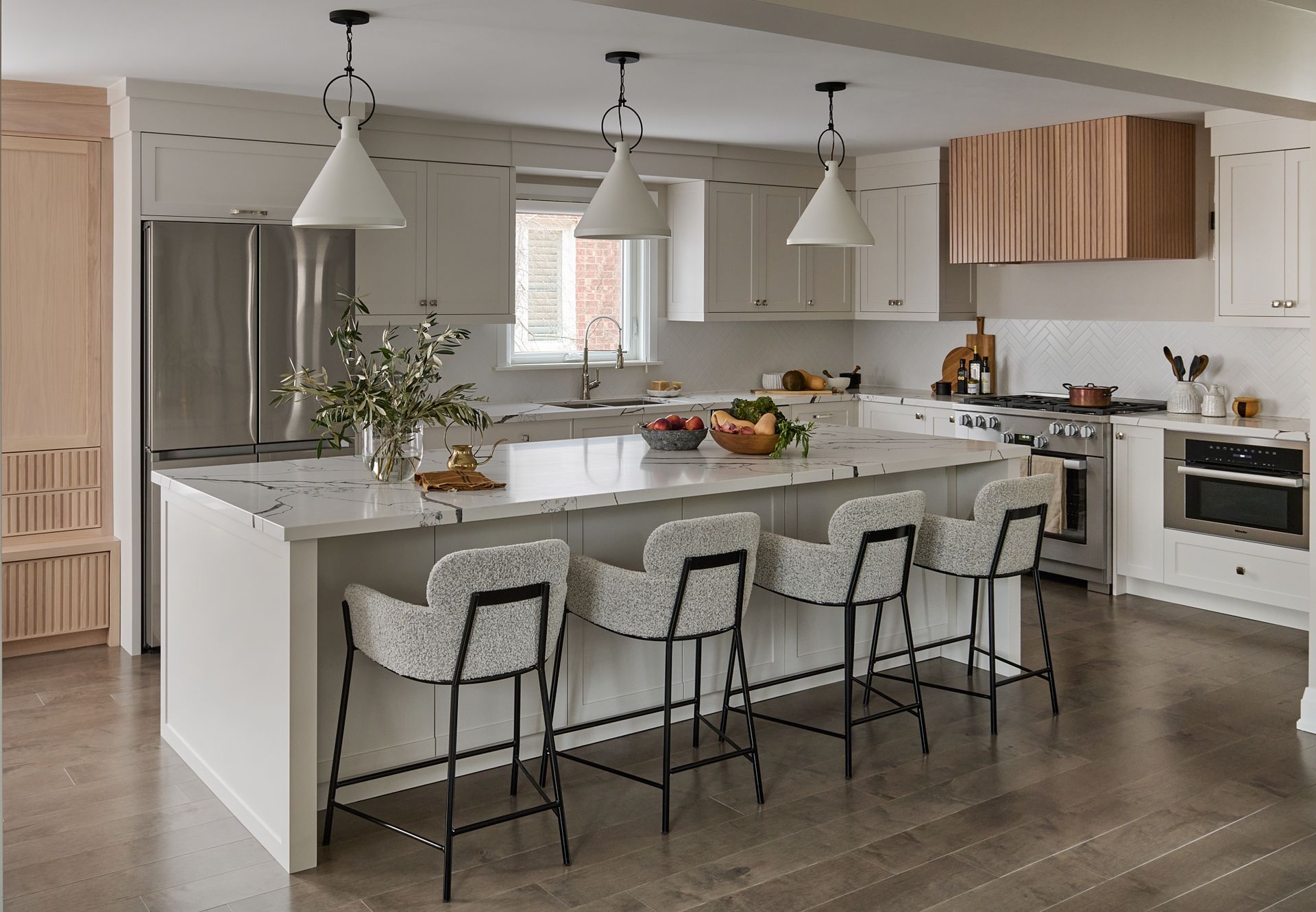
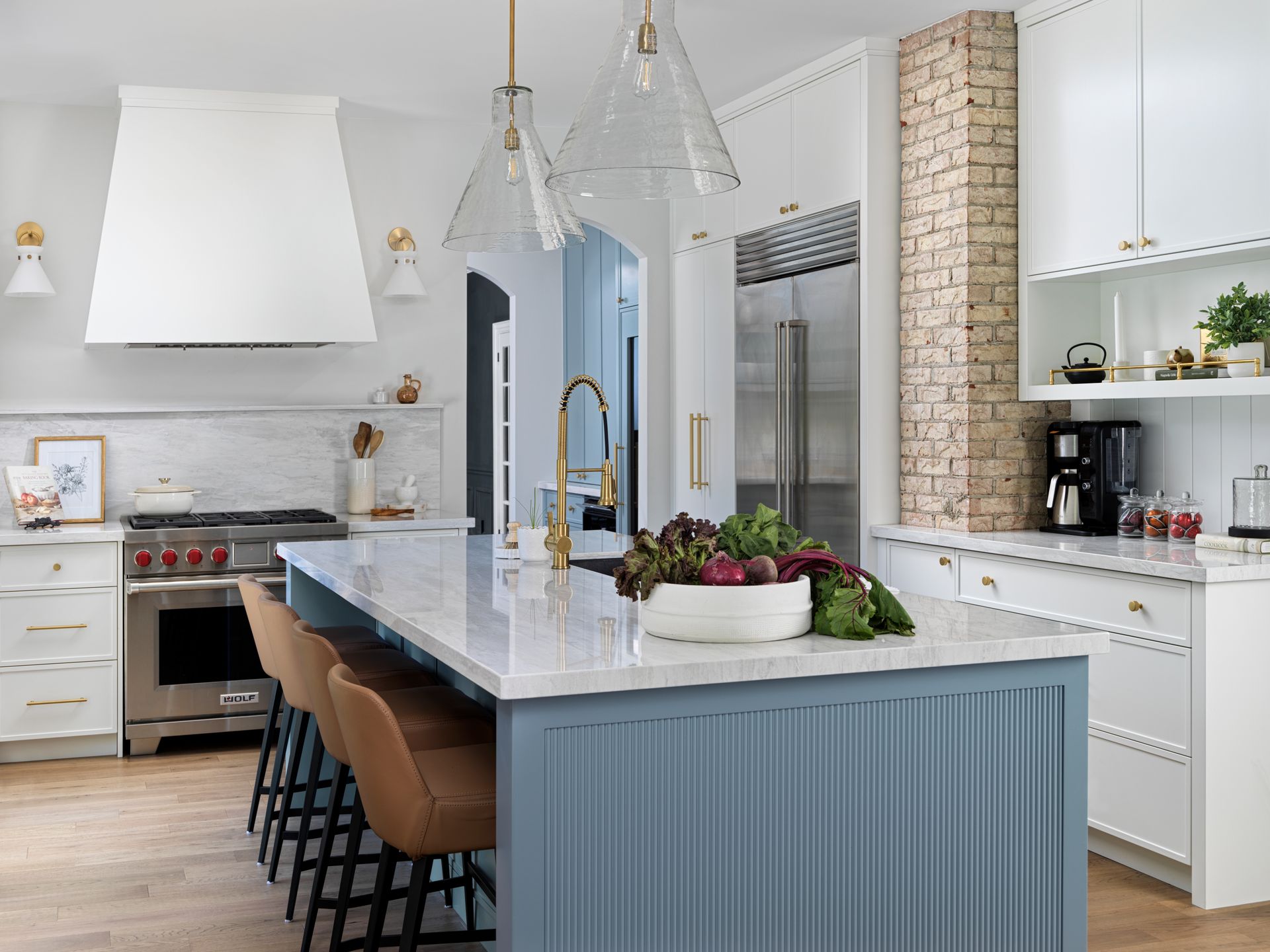
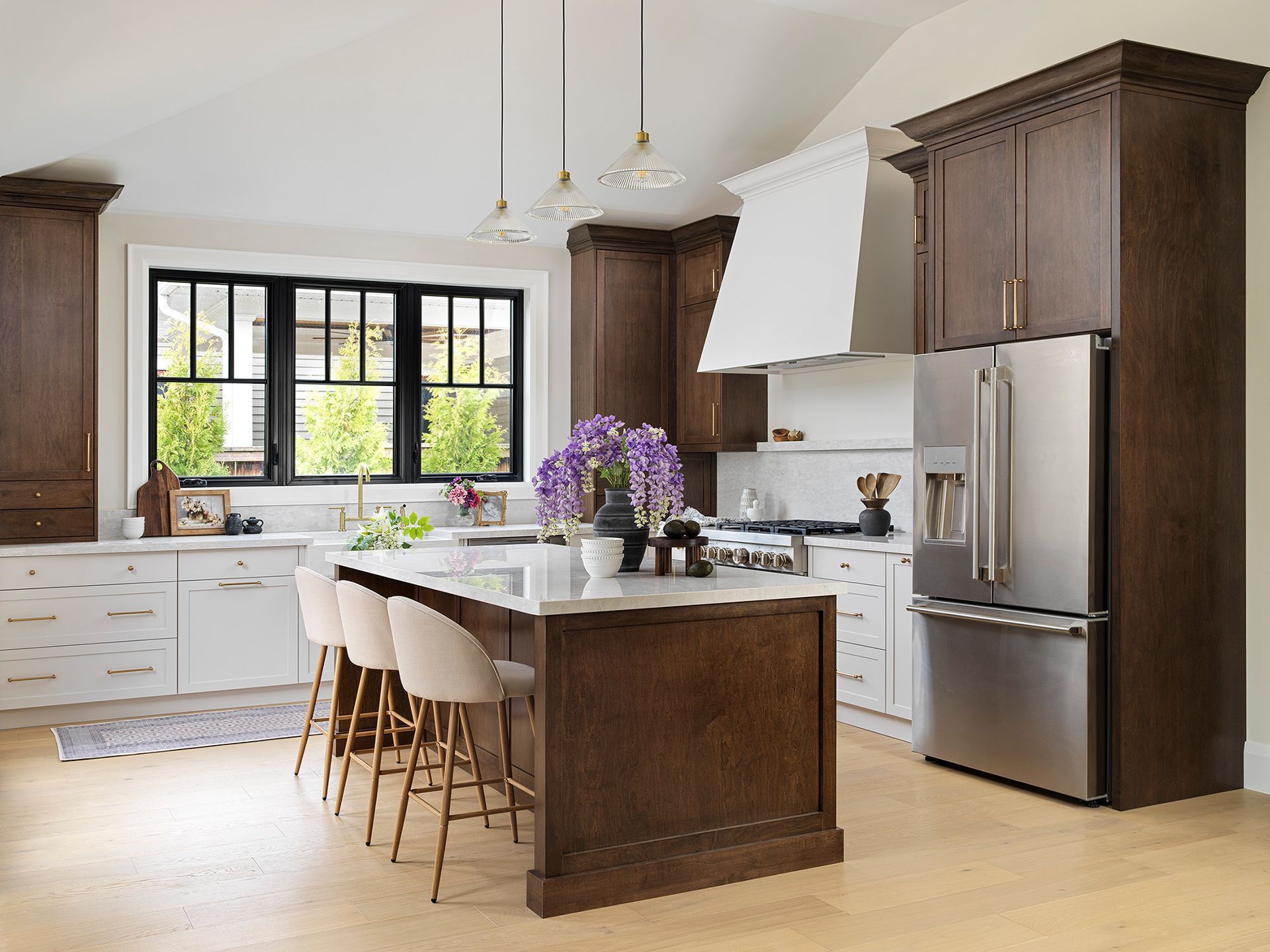
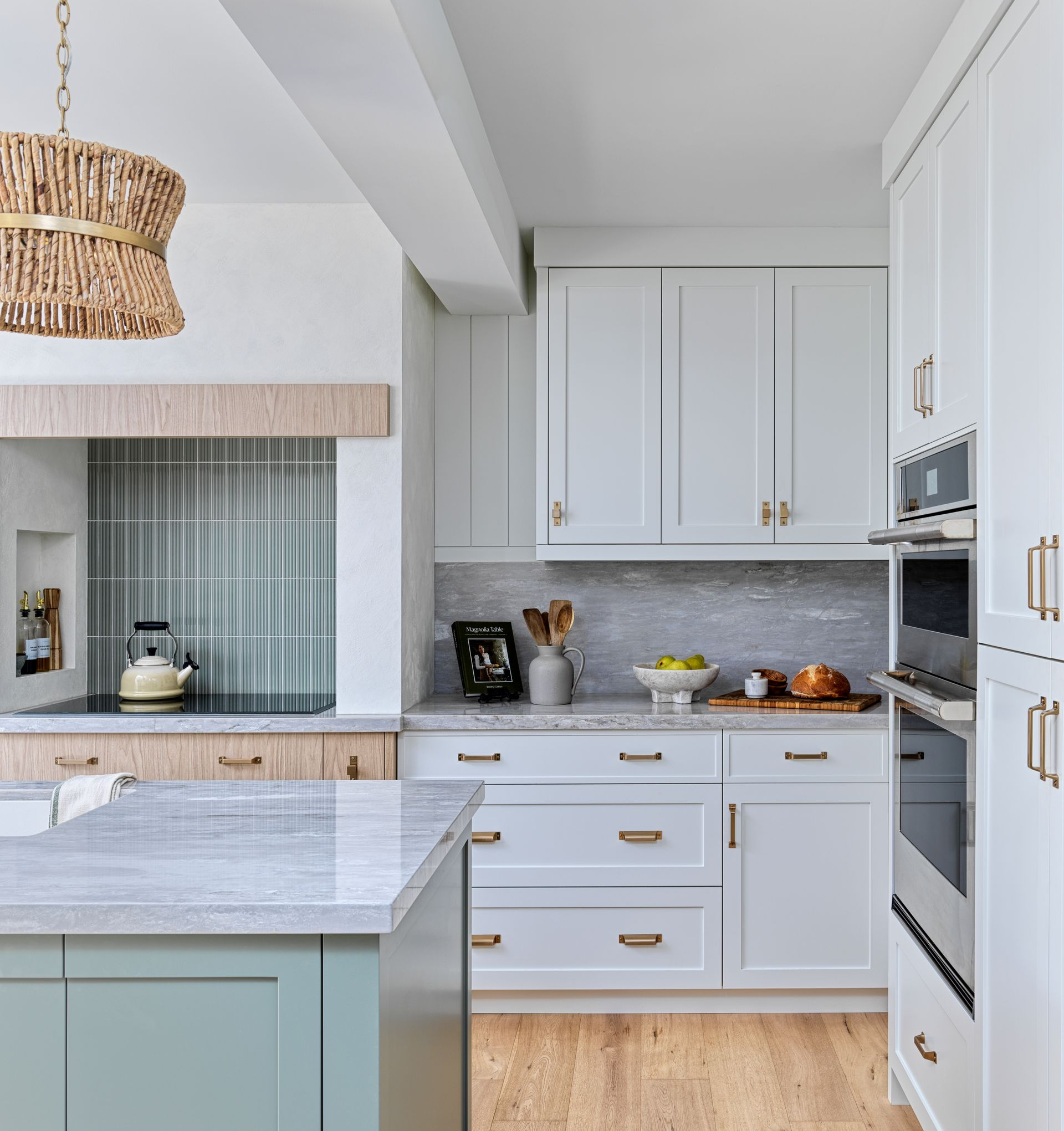
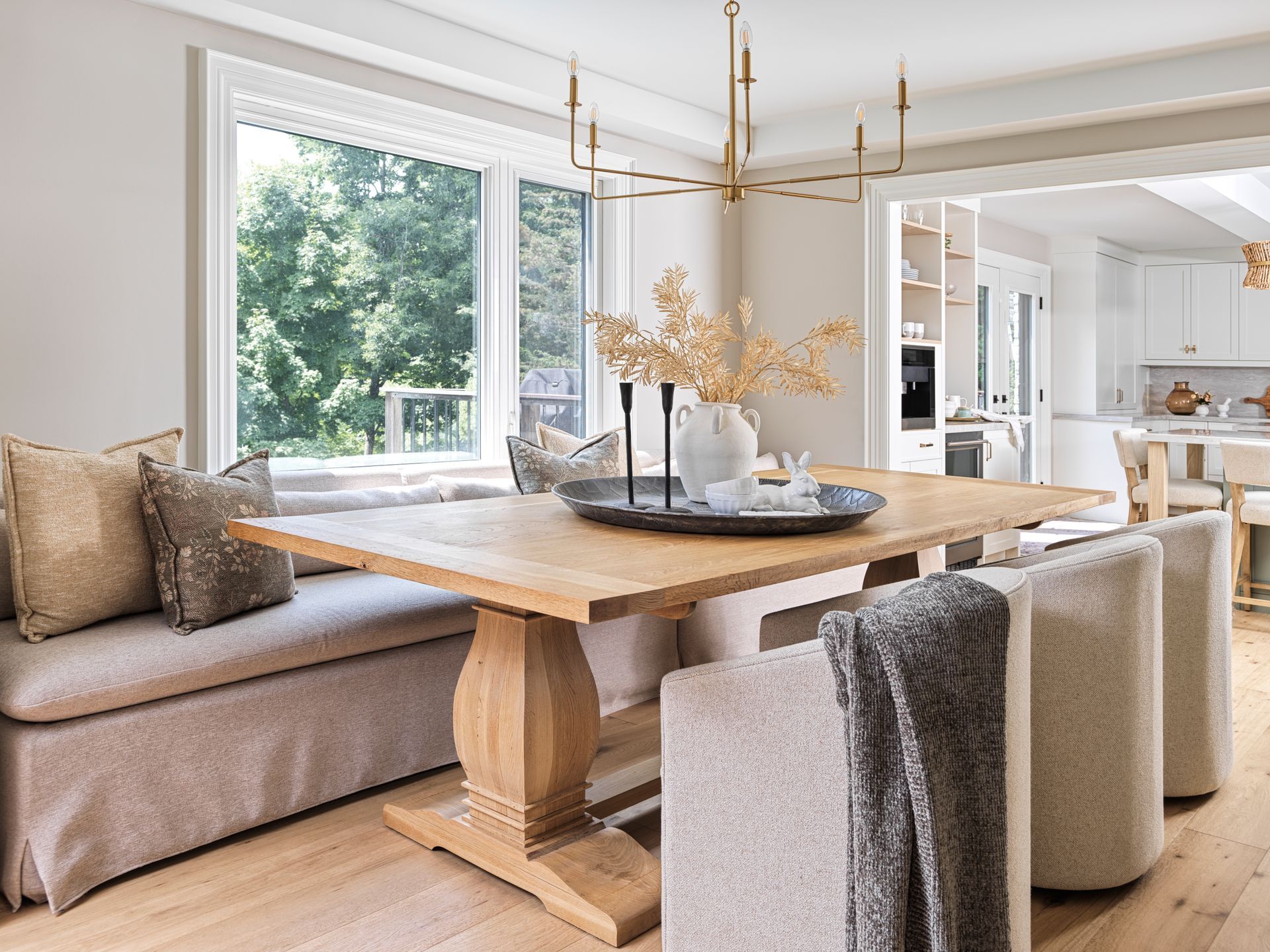
The kitchen is the heart of the home—and one of the best places to invest early.
Focus on:
A well-designed kitchen enhances daily living and adds significant resale value.
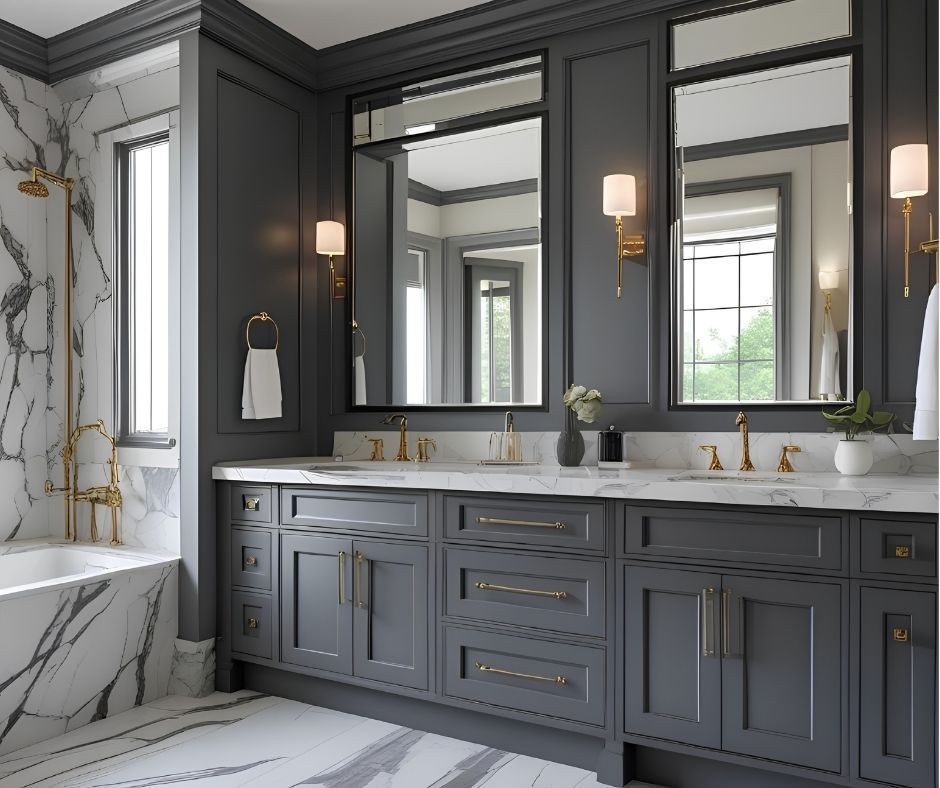
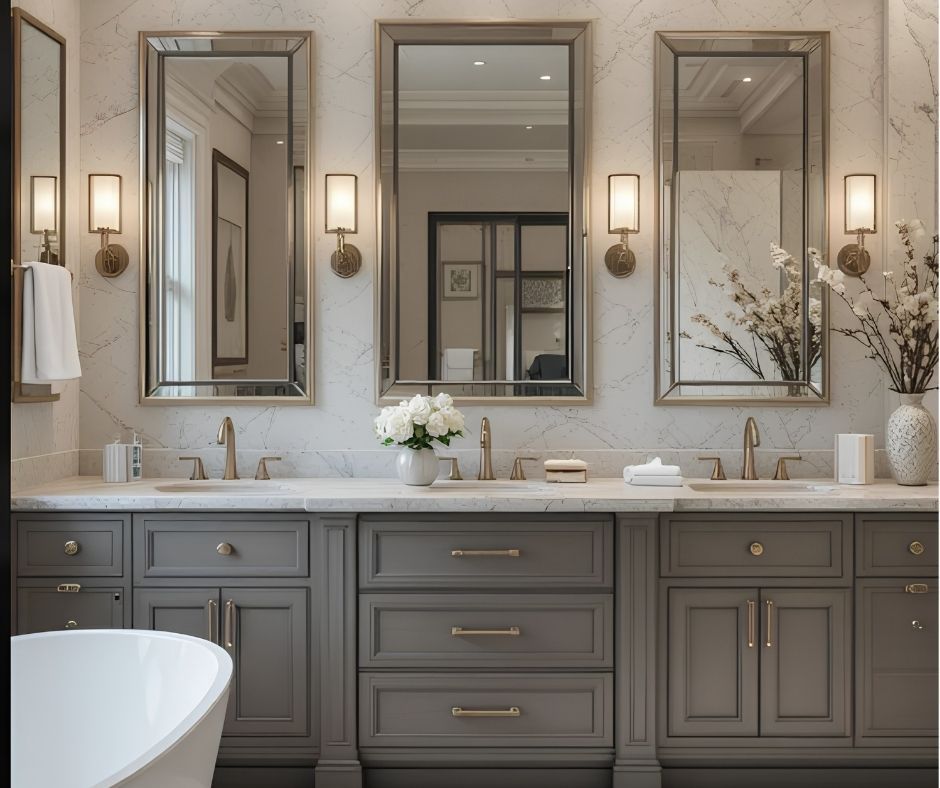
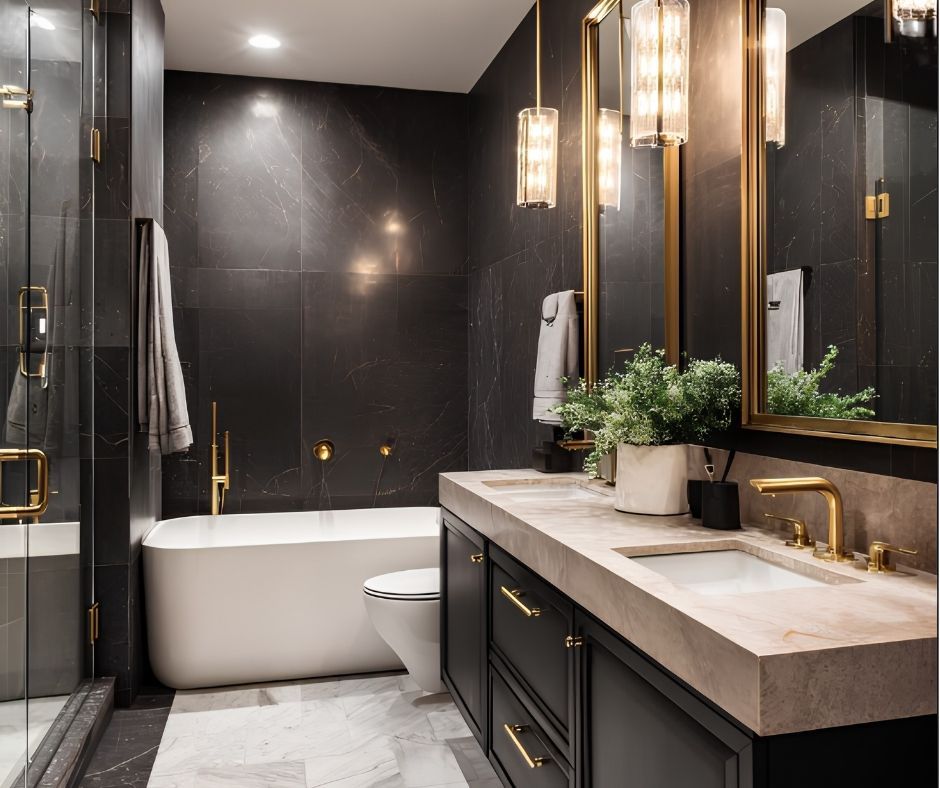
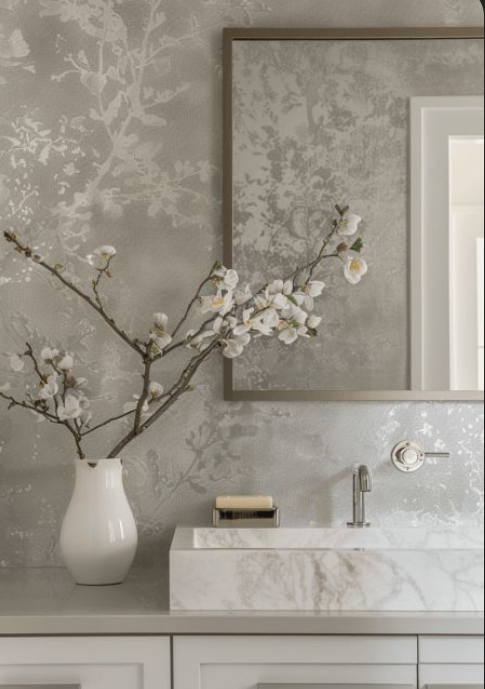
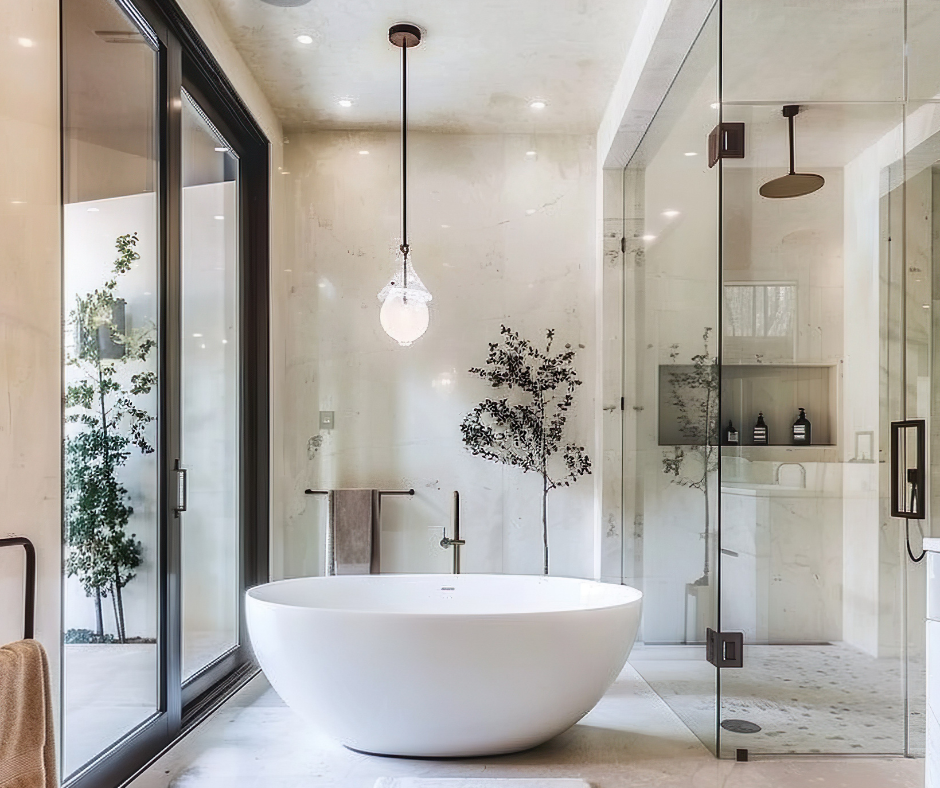
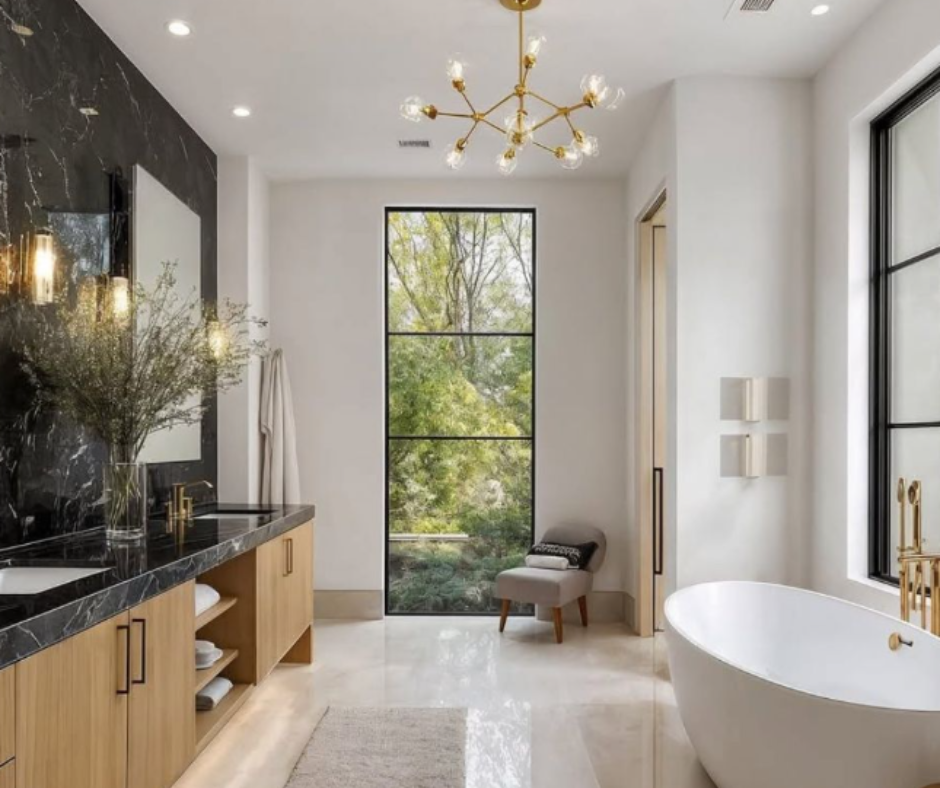
Bathrooms are used constantly and tend to show wear quickly.
Even small upgrades can make a space feel cleaner, brighter, and more comfortable.
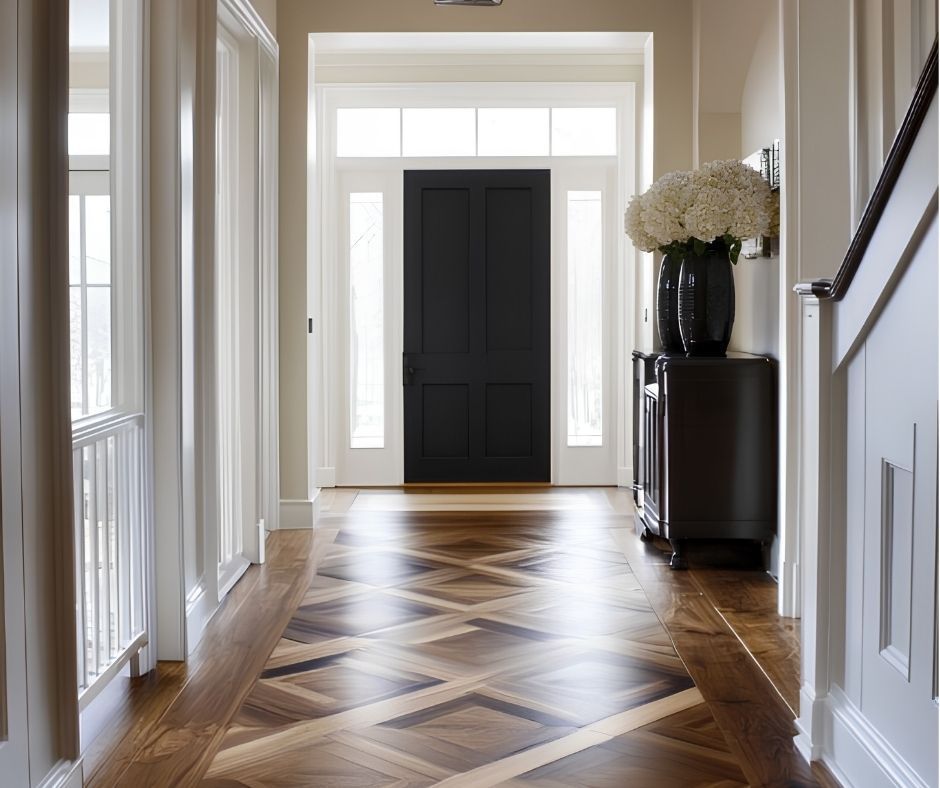
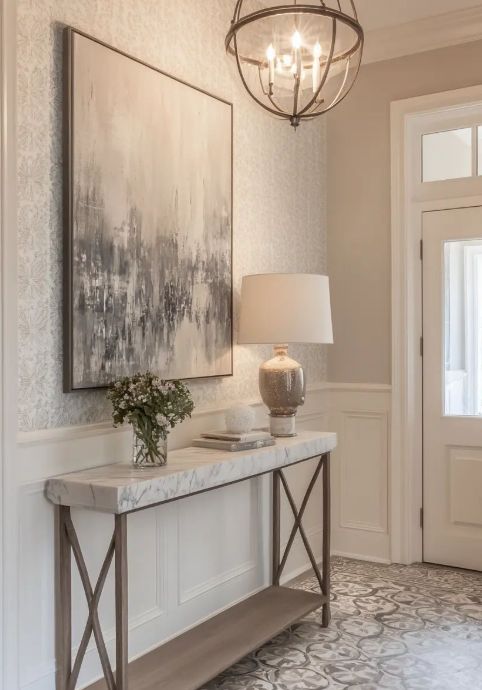
Flooring sets the tone for your entire space.
Options to consider:
Updating floors early avoids disruption later and creates a cohesive foundation.
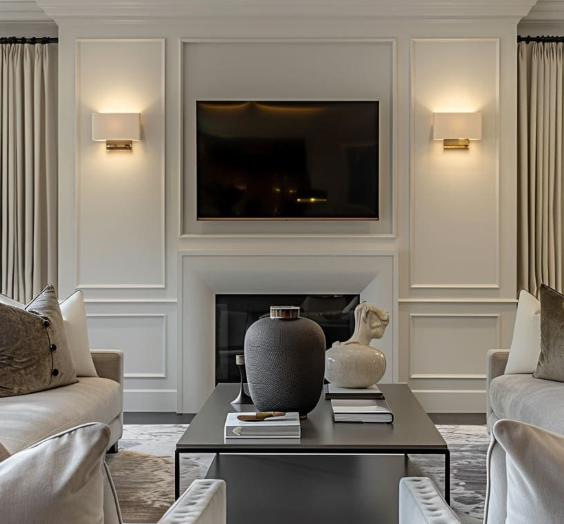
Few updates make as immediate an impact as fresh paint.
This is one of the easiest ways to refresh your home quickly.
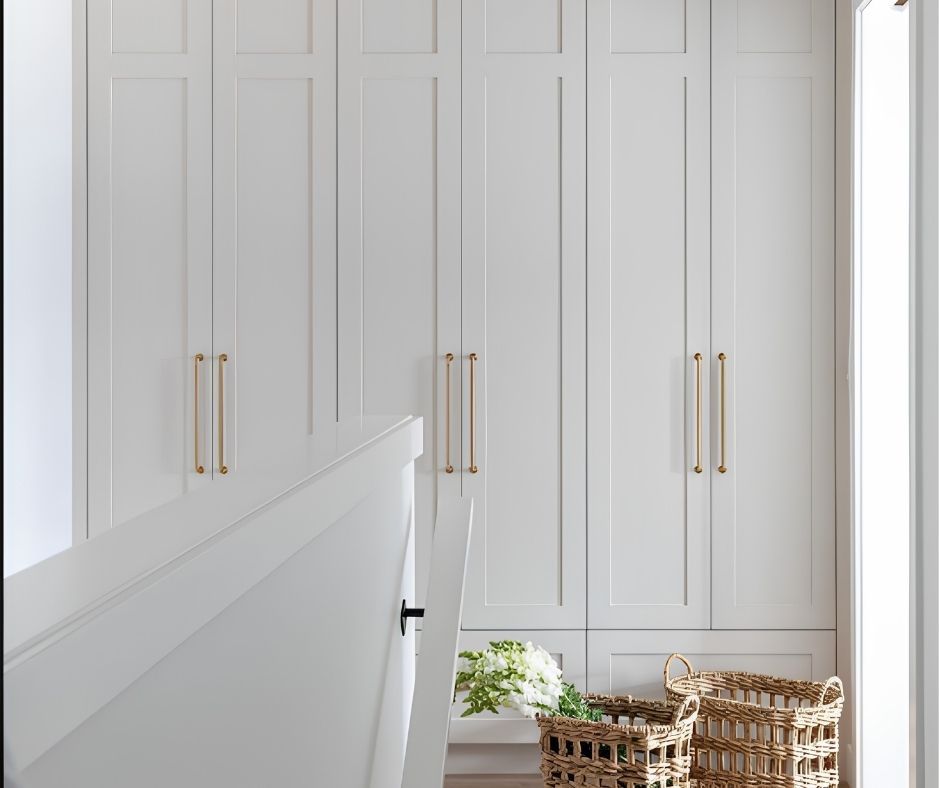
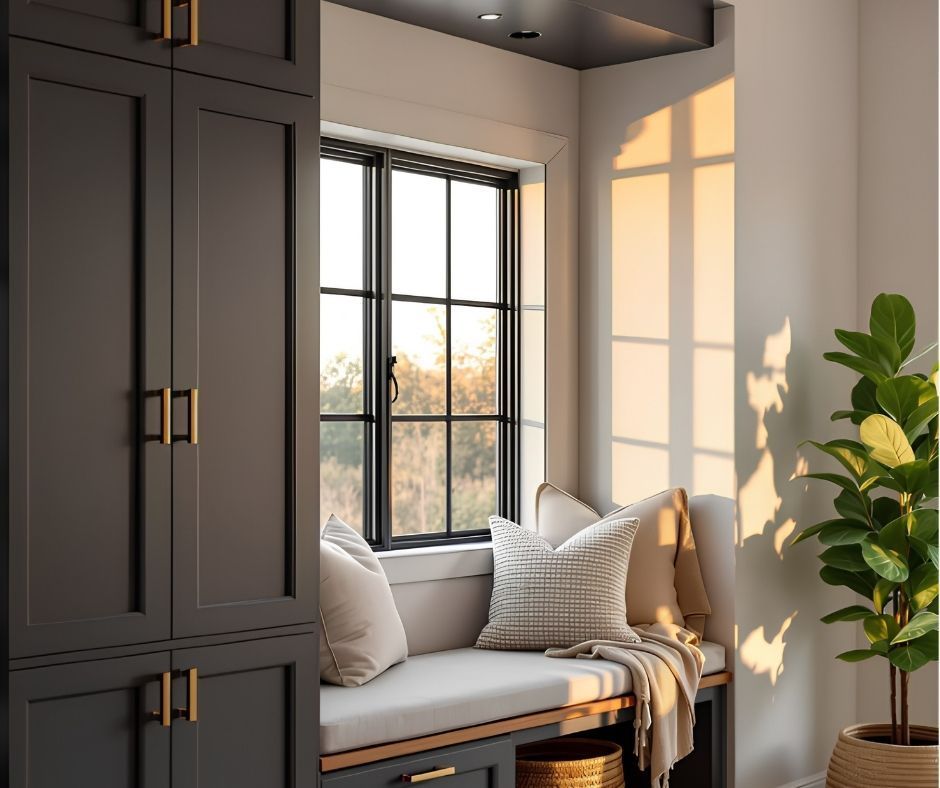
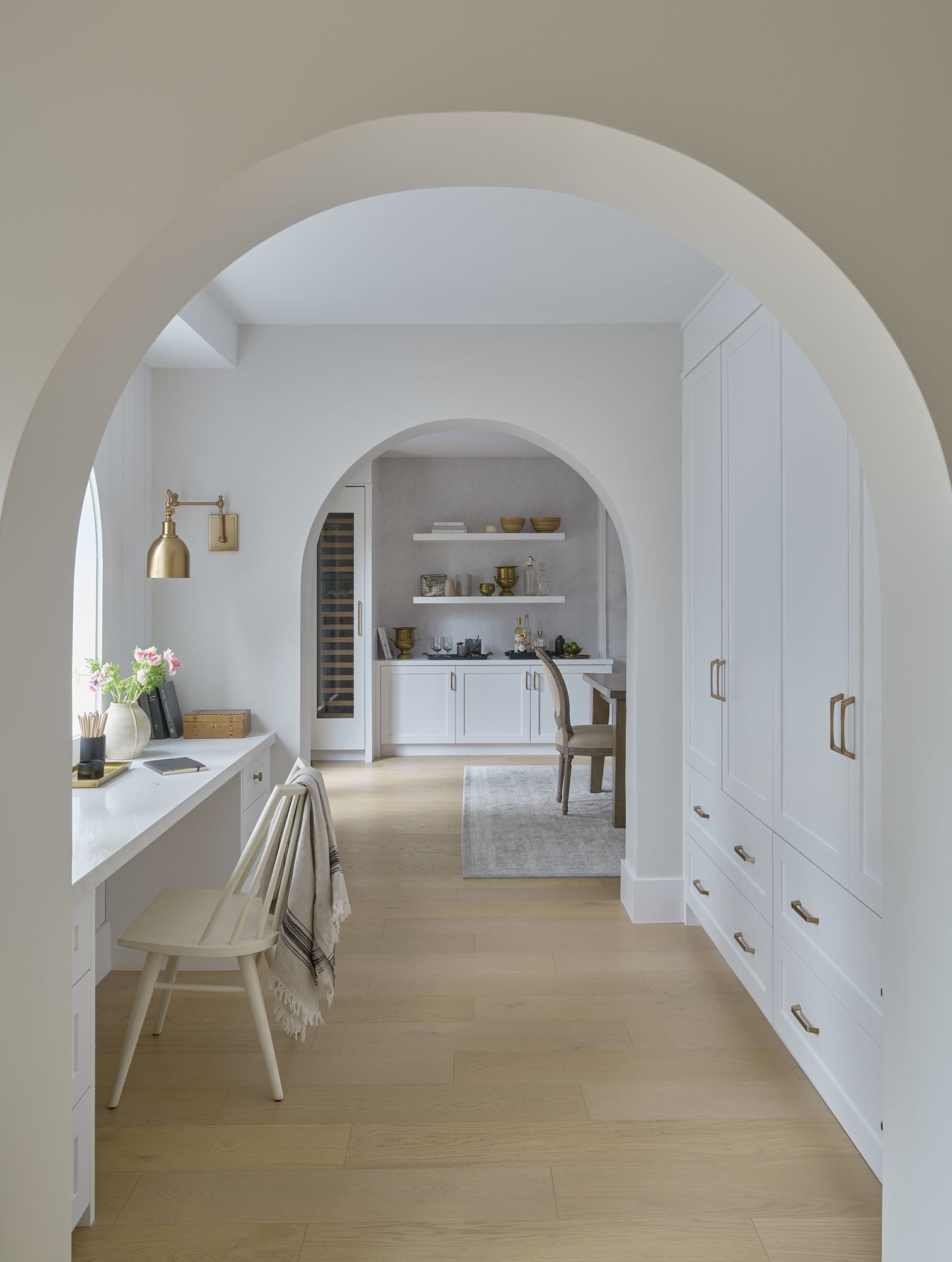
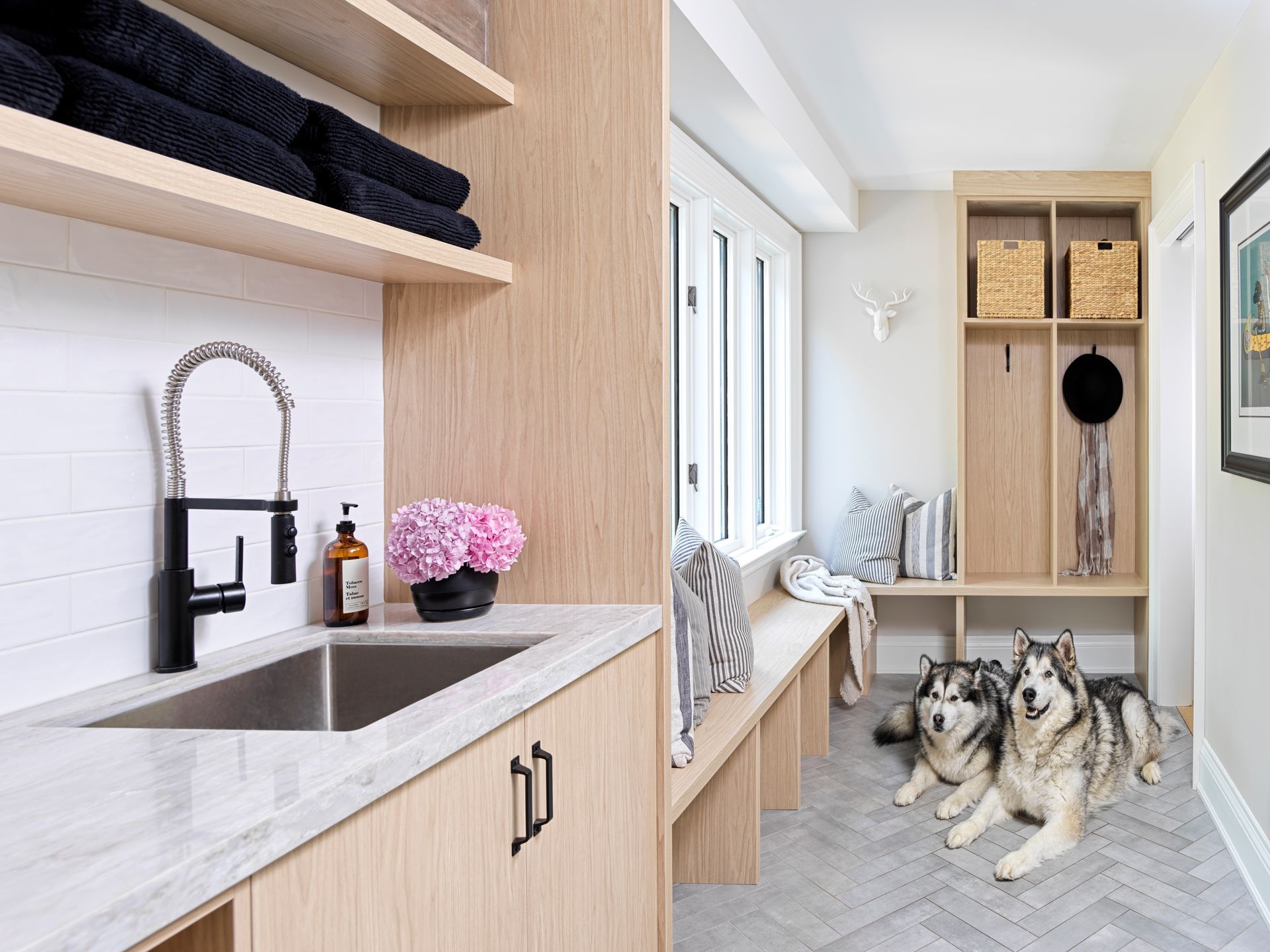
One of the first things homeowners notice is a lack of storage.
Smart storage improves everyday function from day one.
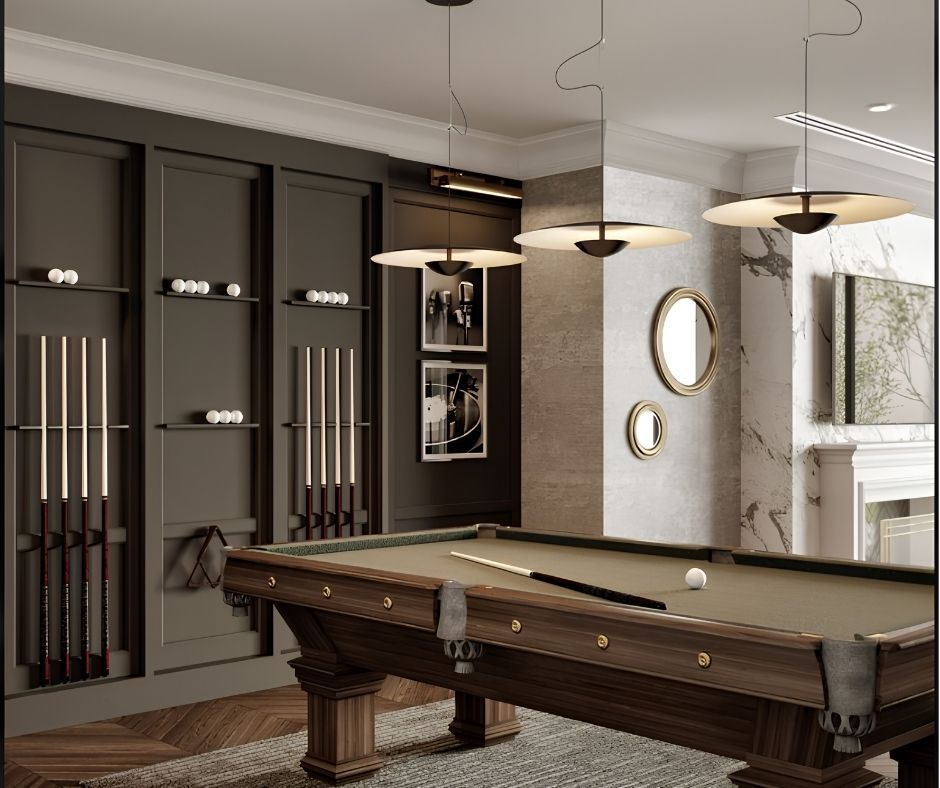
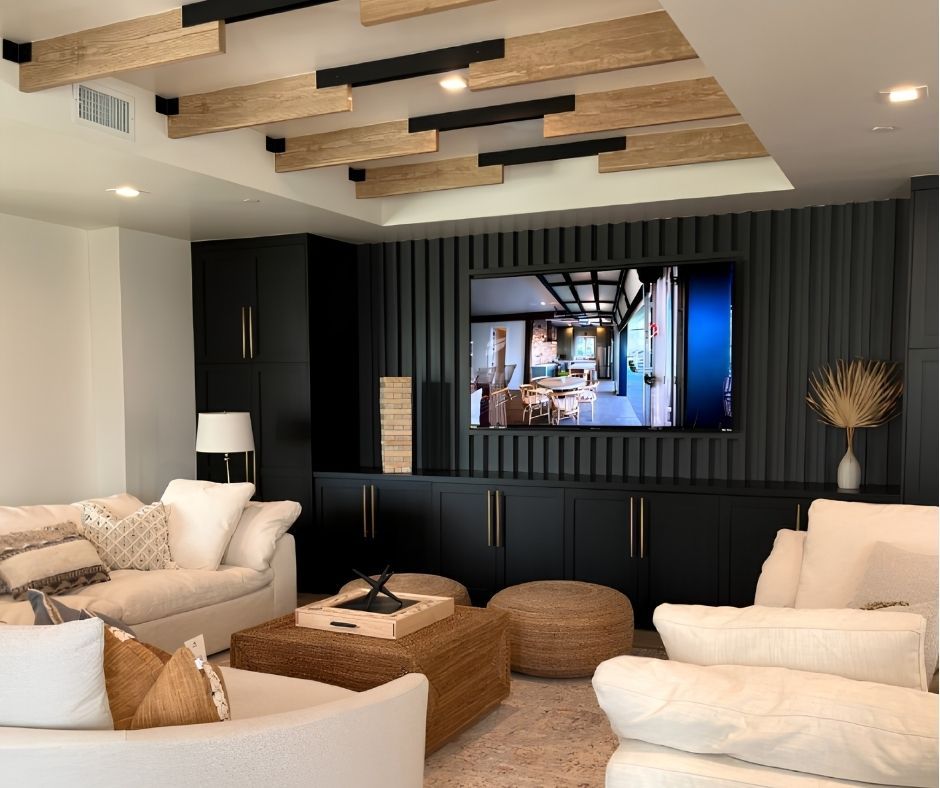
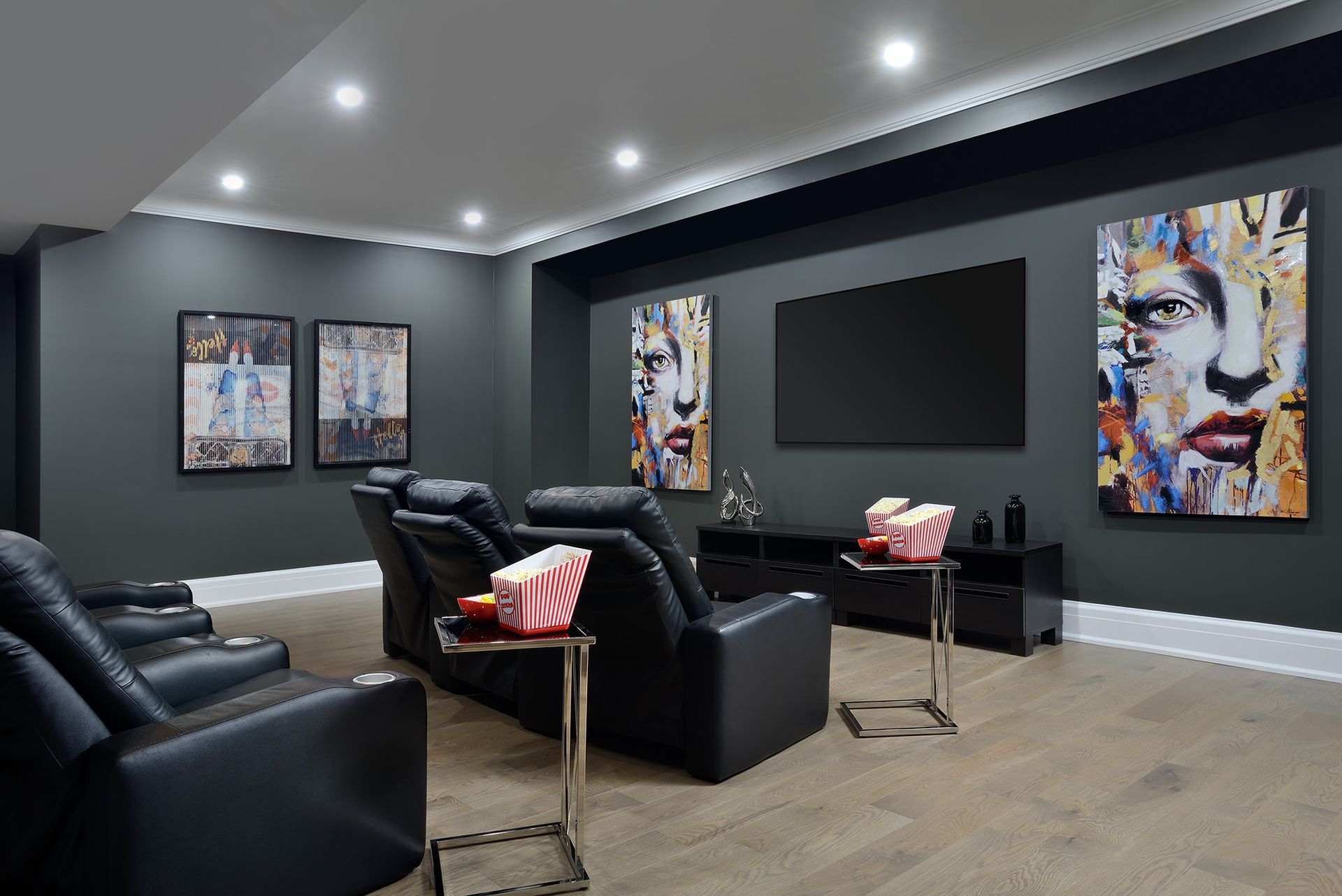
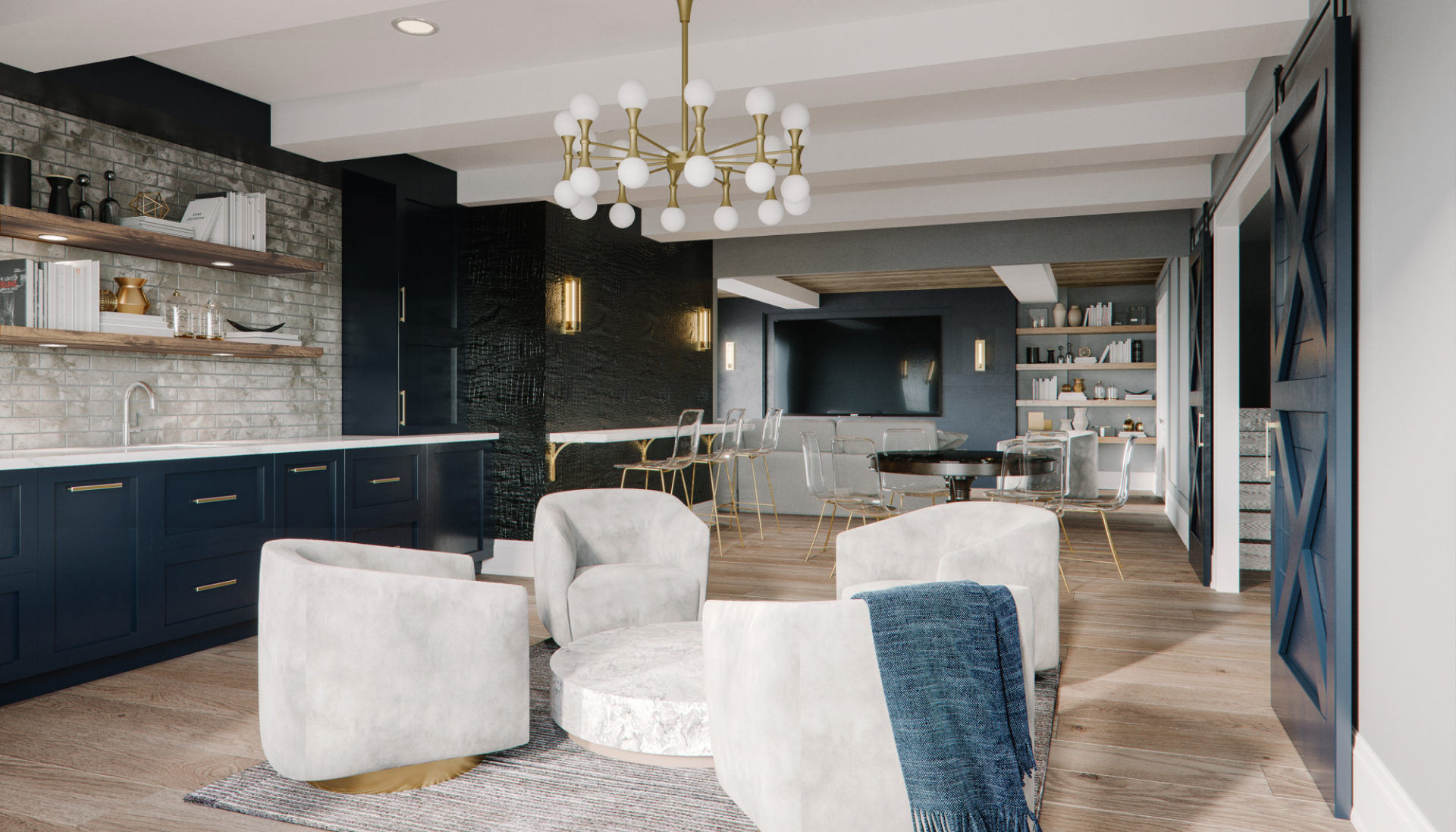
An unfinished or underused basement offers major potential.
Ideas include:
Finishing this area adds flexibility and long-term value.
You don’t need to renovate everything at once.
Start with the spaces you use most, focus on functionality, and build from there.
A thoughtful approach ensures your home feels cohesive, intentional, and designed for the way you live.