Where to Spend—and Where to Save—
During a Renovation
Making smart investments where they’ll have the greatest impact.
Renovating your home is an investment, but that doesn’t mean every selection needs to come with a premium price tag. A well-planned renovation is about knowing where quality matters most, where you can be flexible, and how to make choices that will continue to serve your home long after construction is complete.
The best place to start? Prioritize the elements that are permanent, used every day, or difficult to replace later. Then look for opportunities to save on finishes and details that can easily evolve with your style.
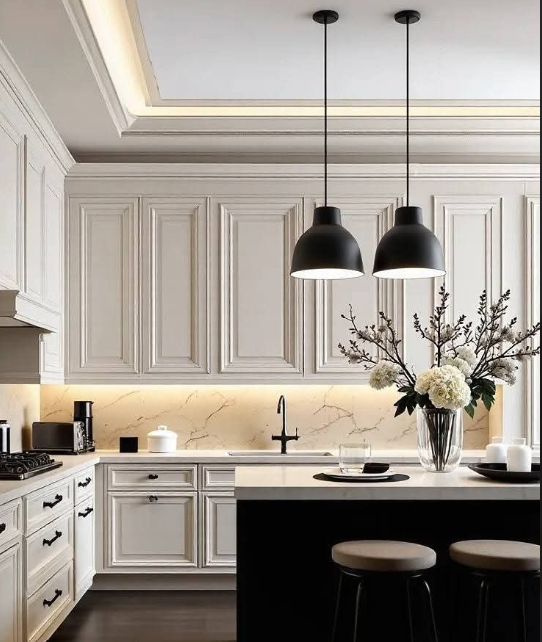
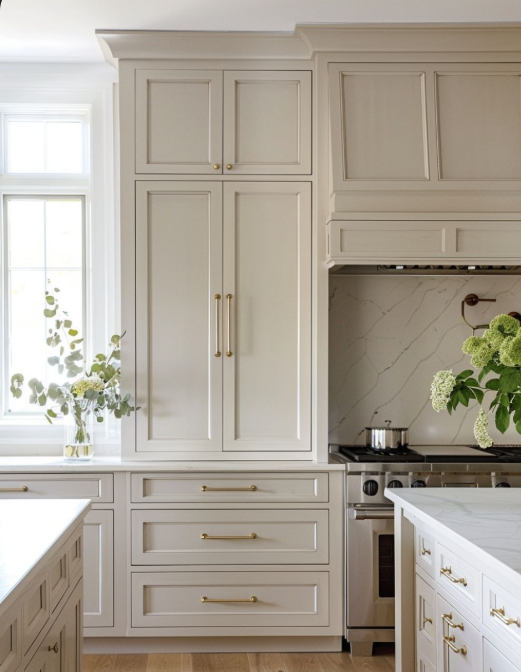
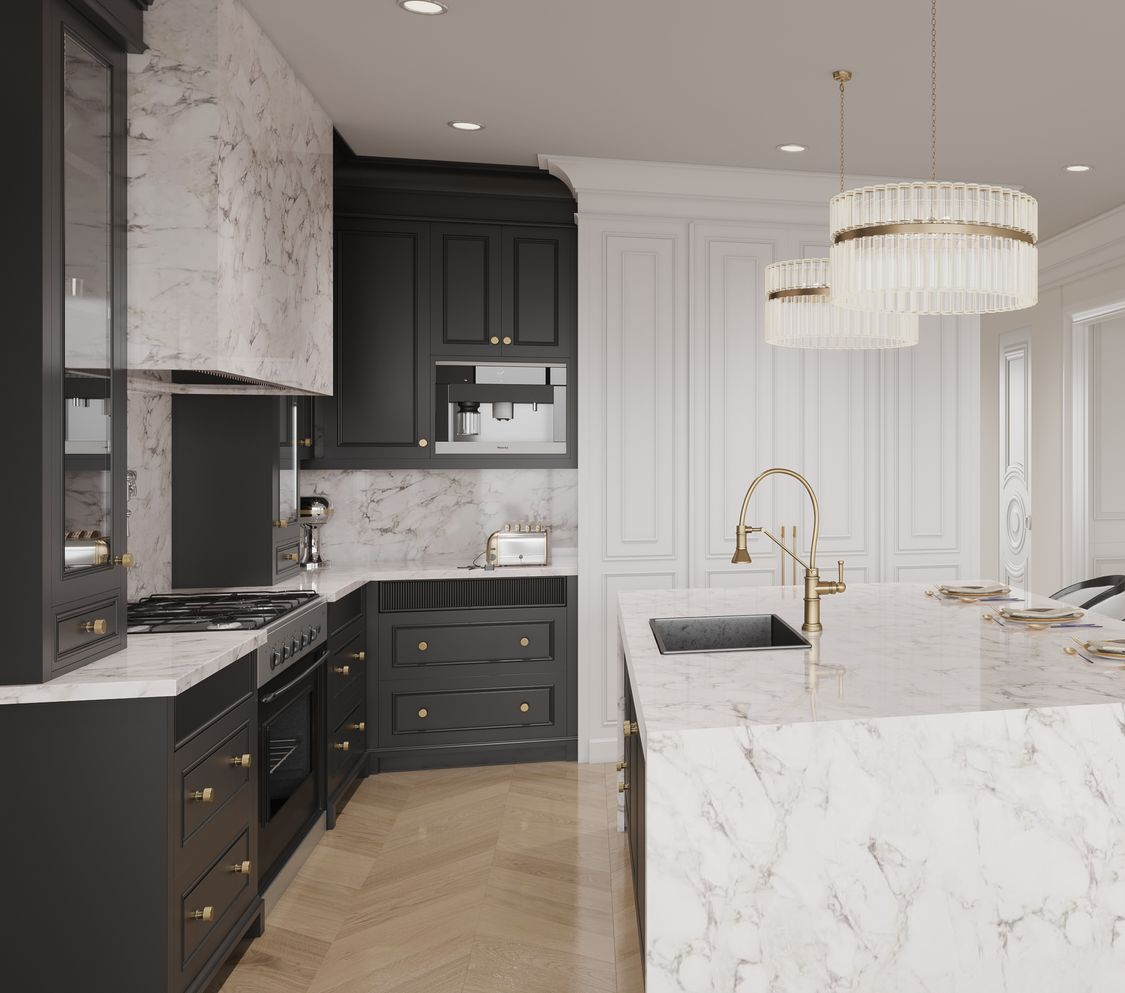
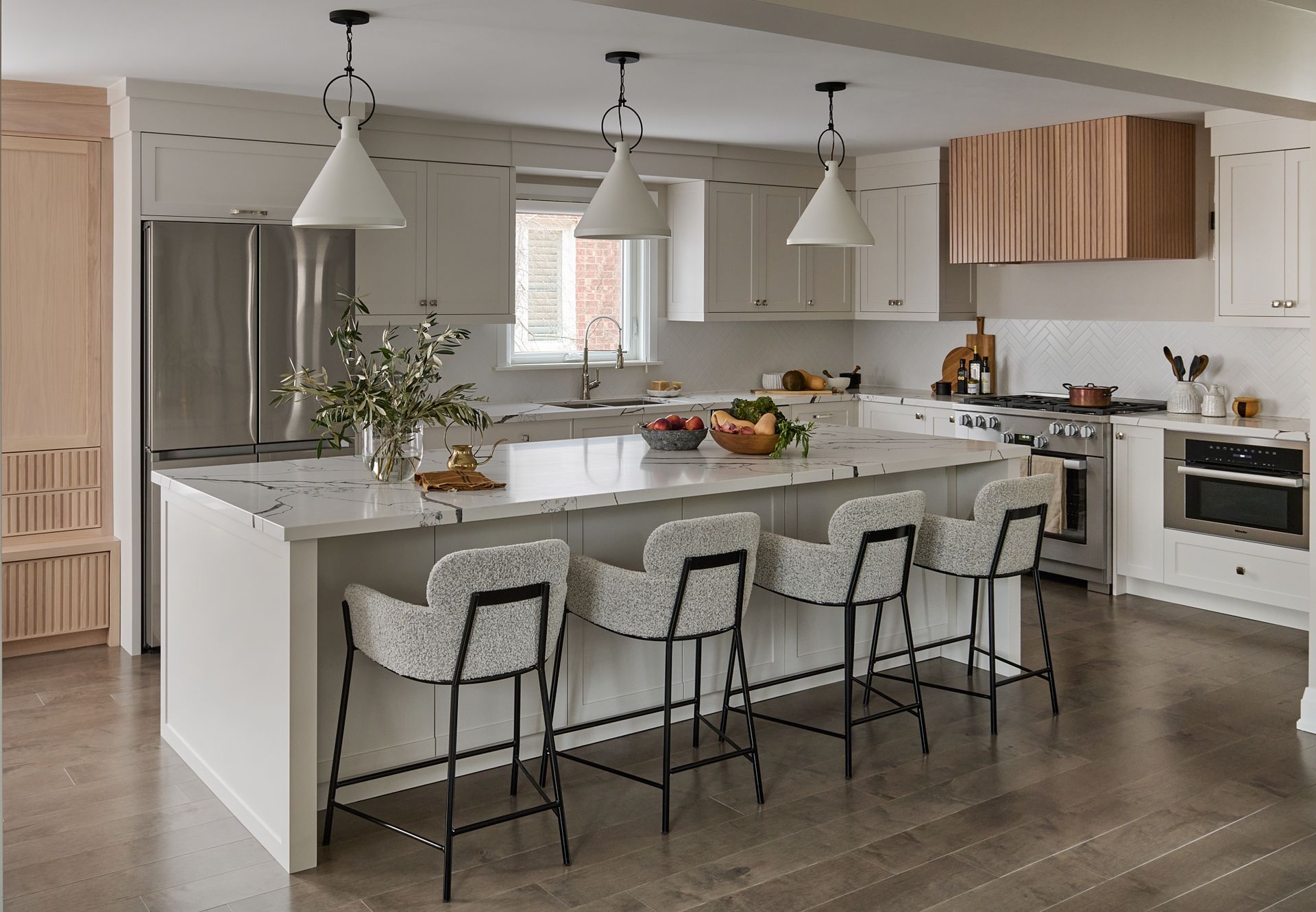
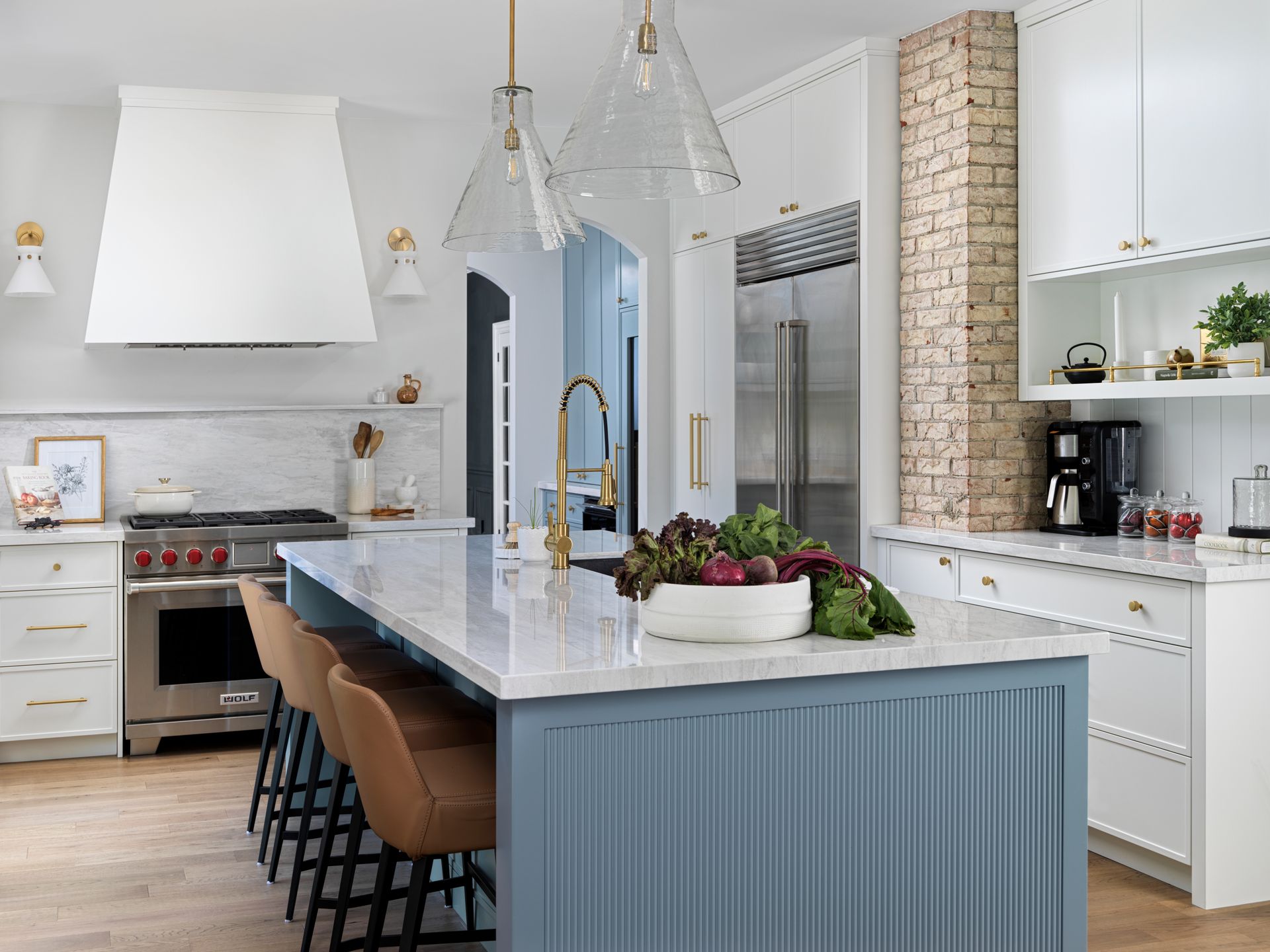
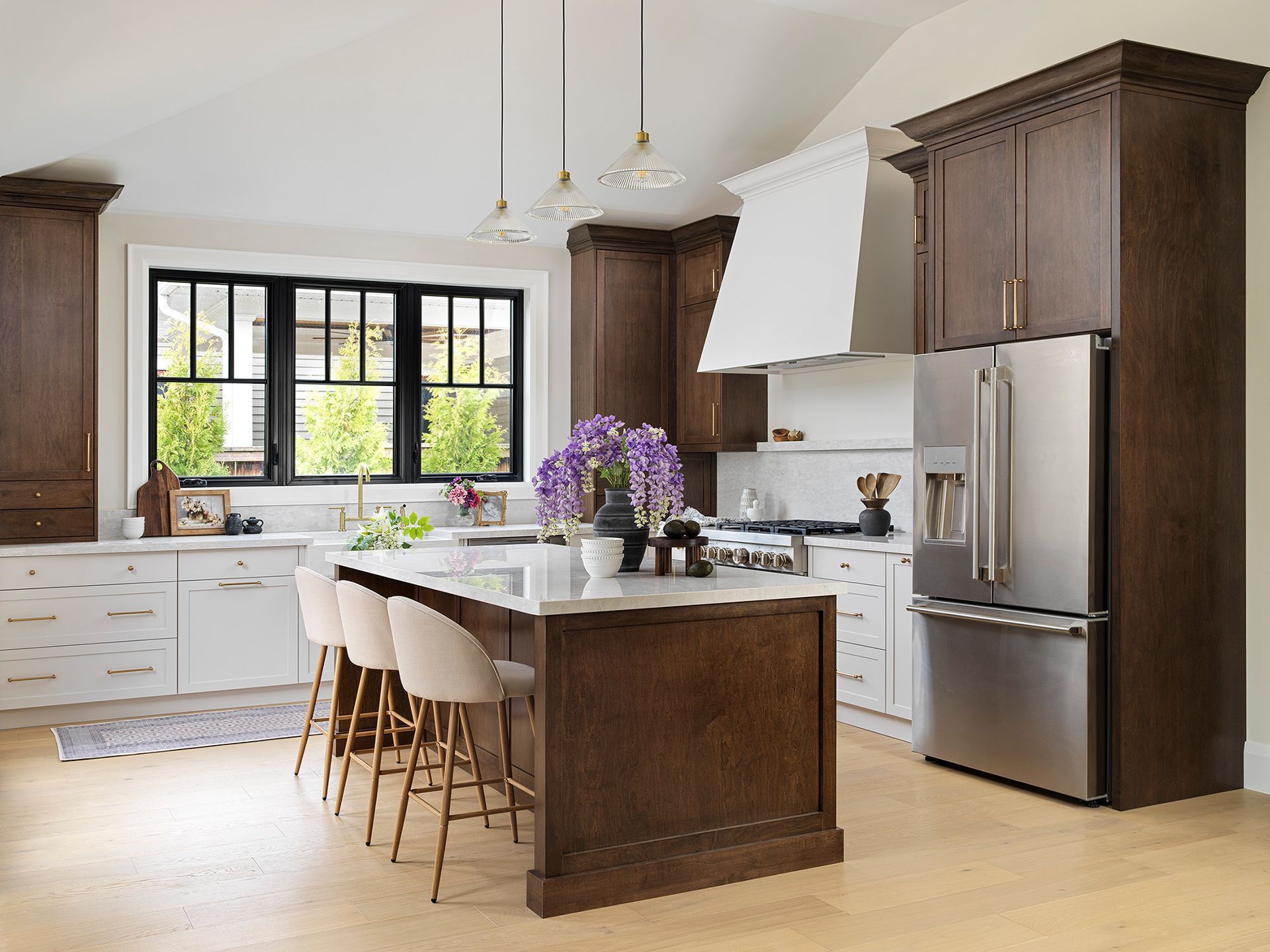
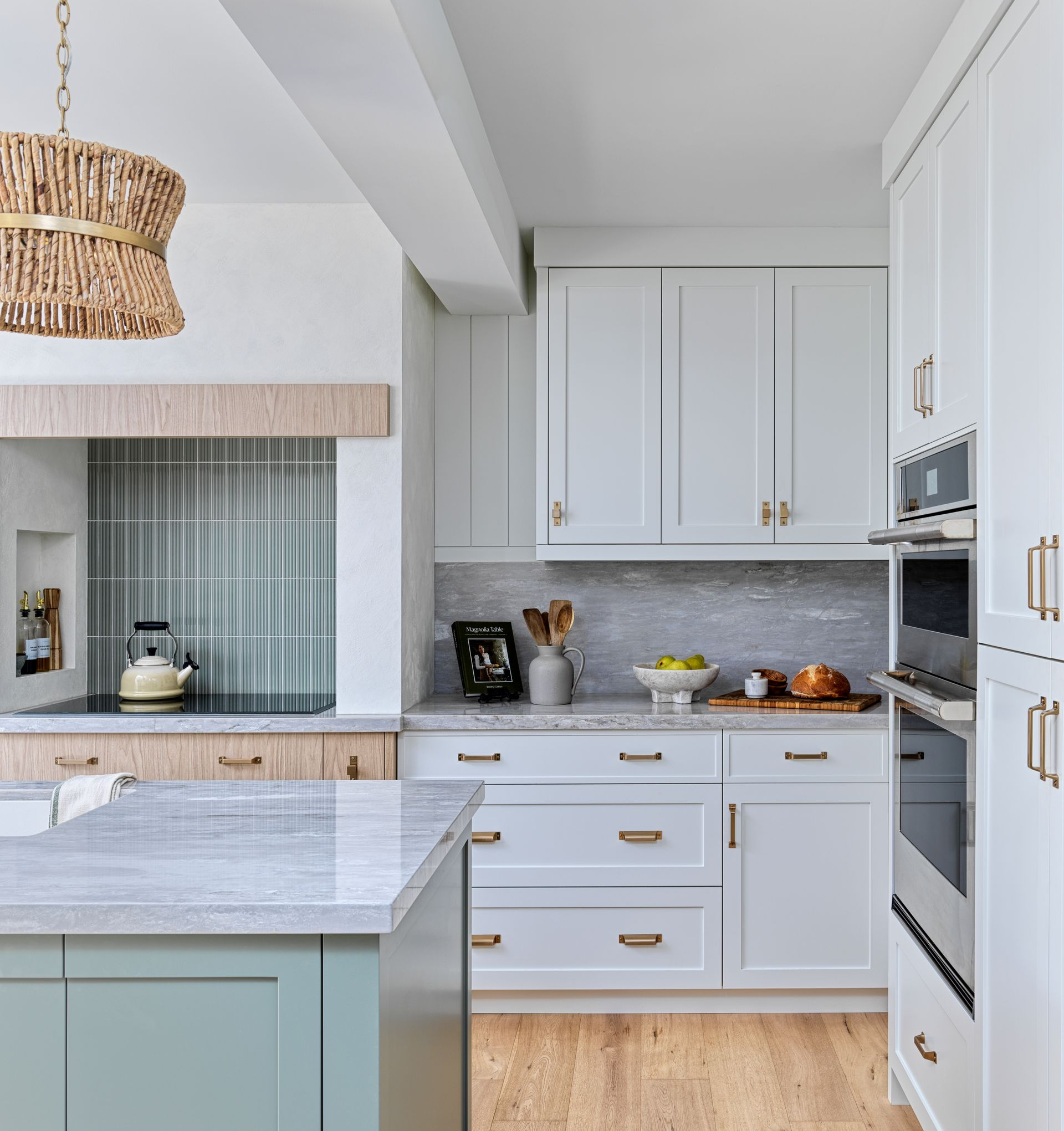
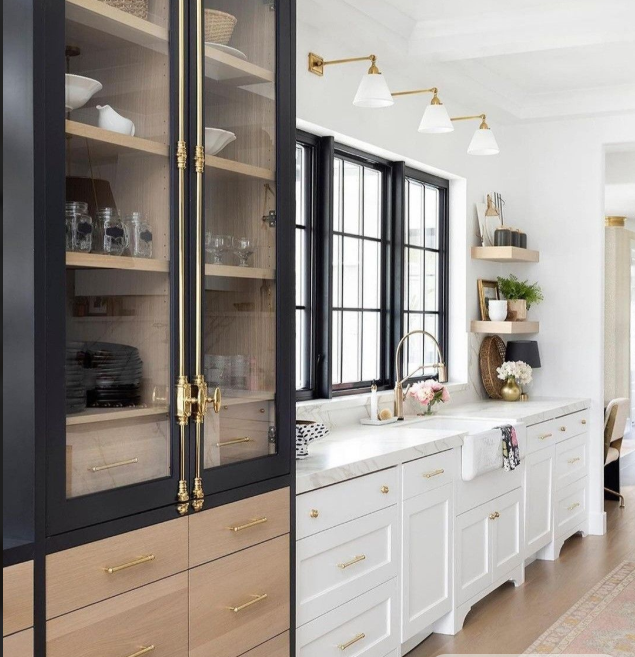
Kitchen Cabinetry — Quality cabinetry is used every day and has a major impact on both the function and overall look of your kitchen.

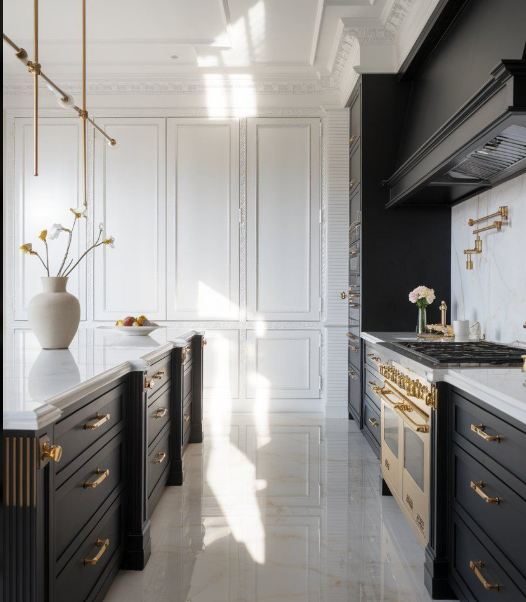
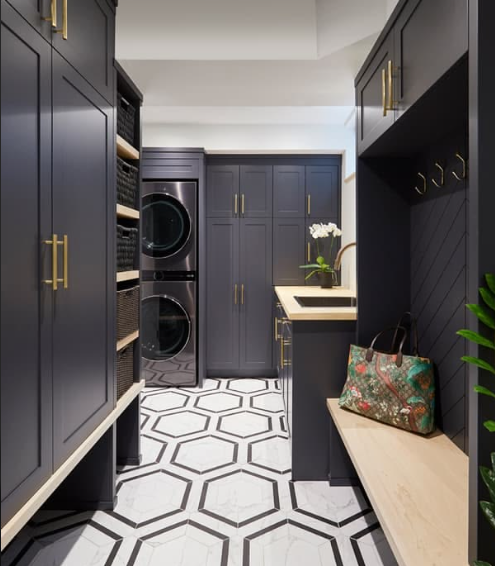
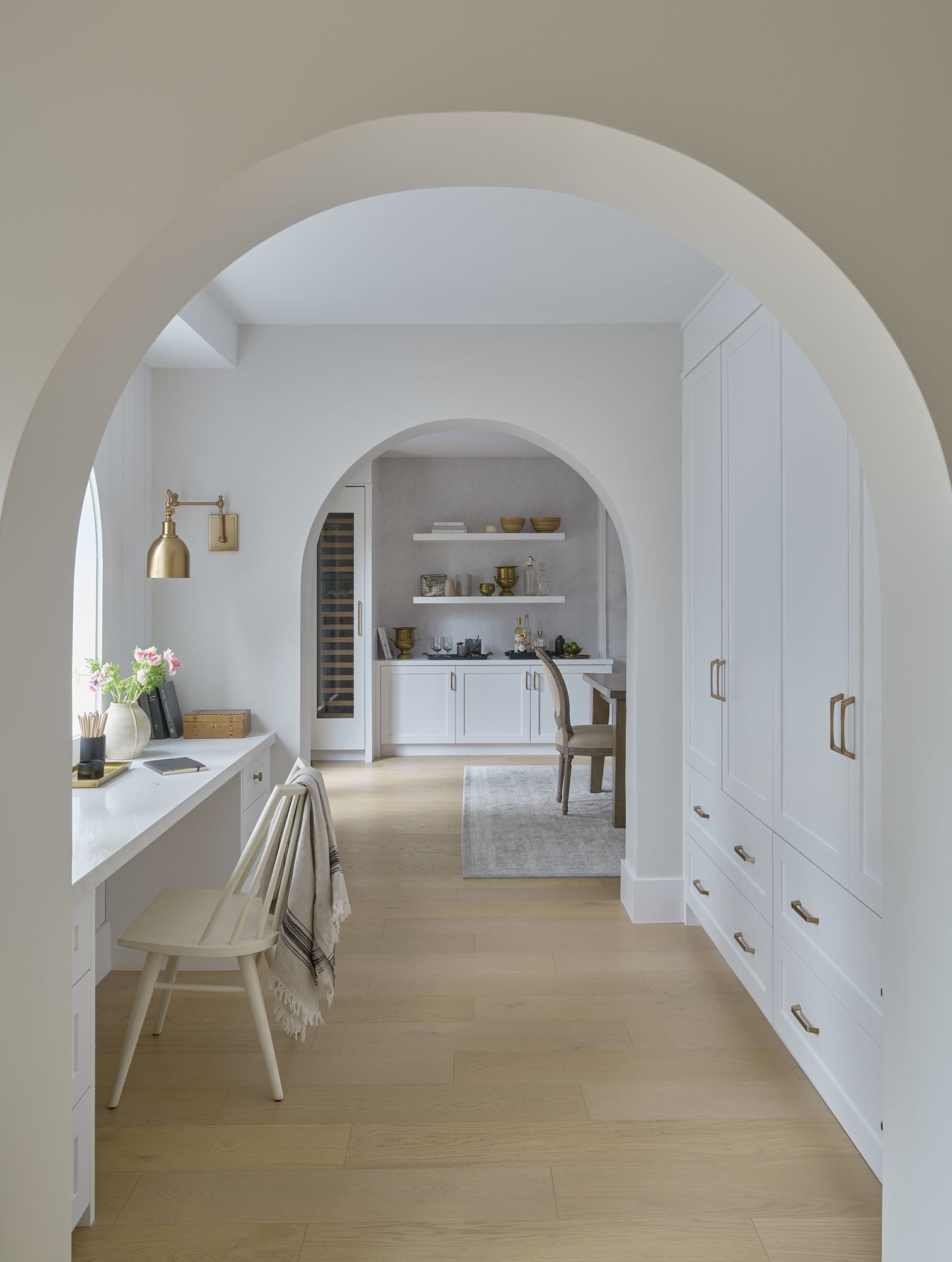
Flooring — It covers such a large portion of the home and takes constant wear, so durability and quality are worth investing in.

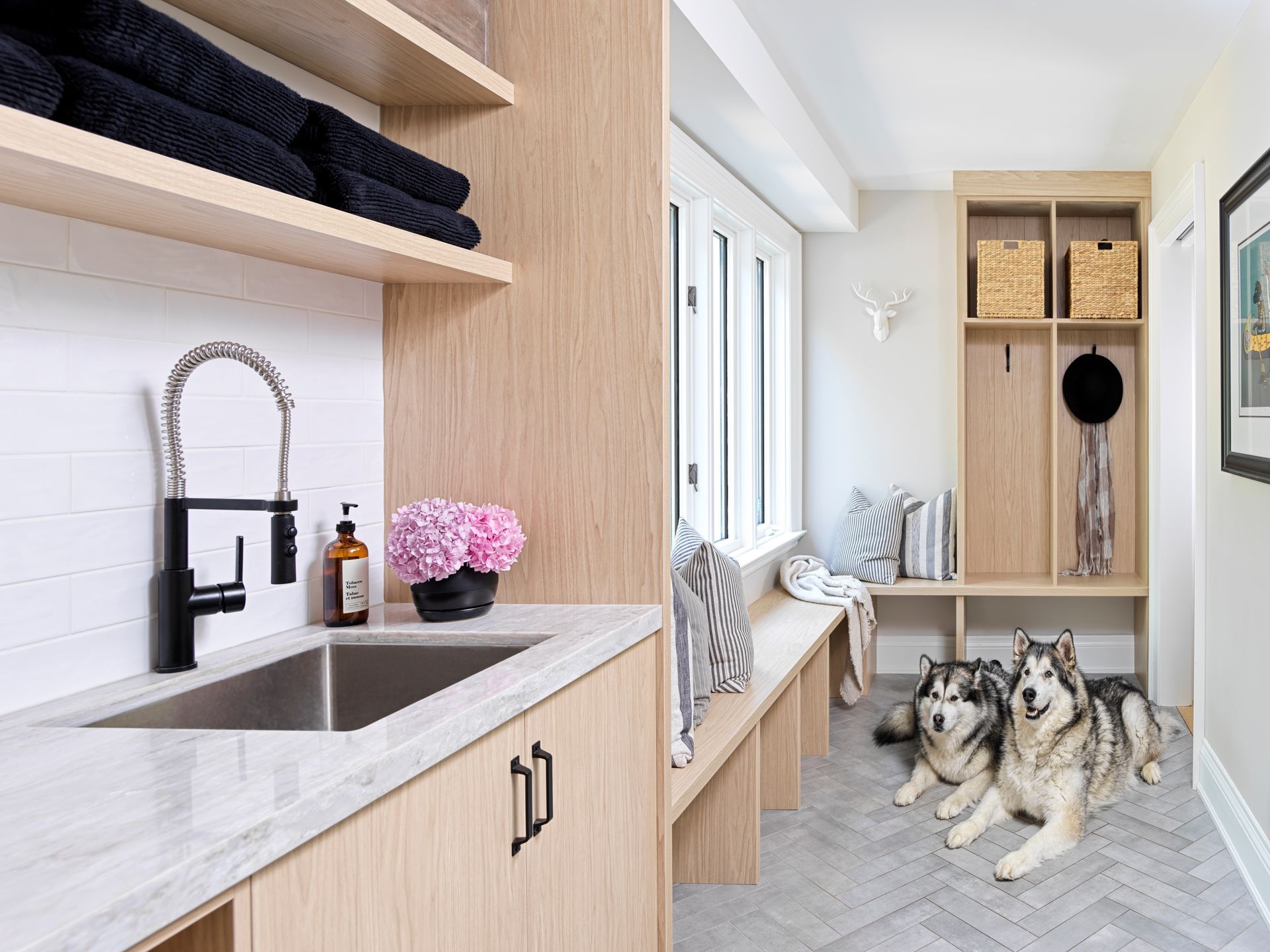
Countertops — Another hardworking surface where durability, maintenance and longevity matter, especially in kitchens and bathrooms.

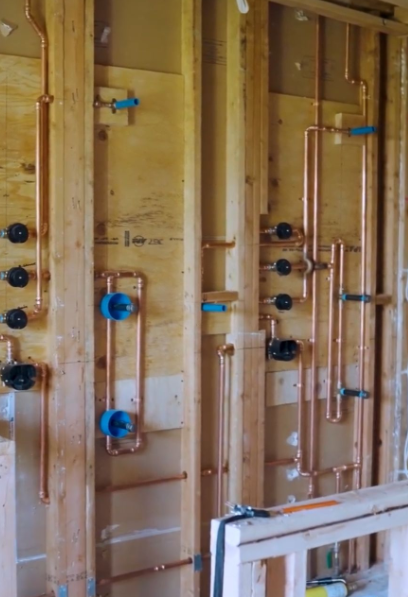
Behind the Walls — Plumbing, electrical, waterproofing, insulation and quality workmanship aren’t the glamorous parts, but they’re the foundation of a renovation that lasts.

SPEND:
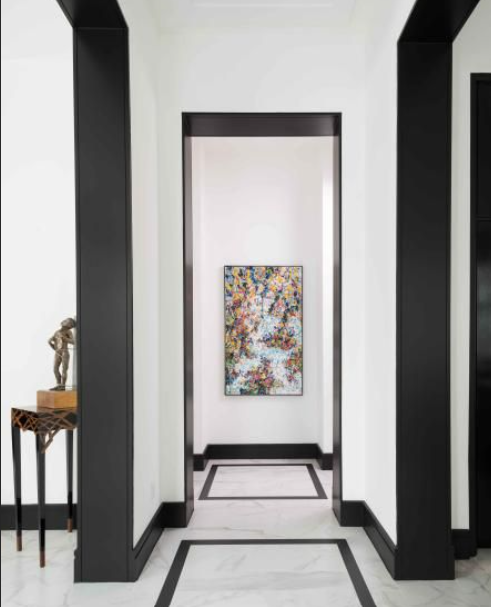
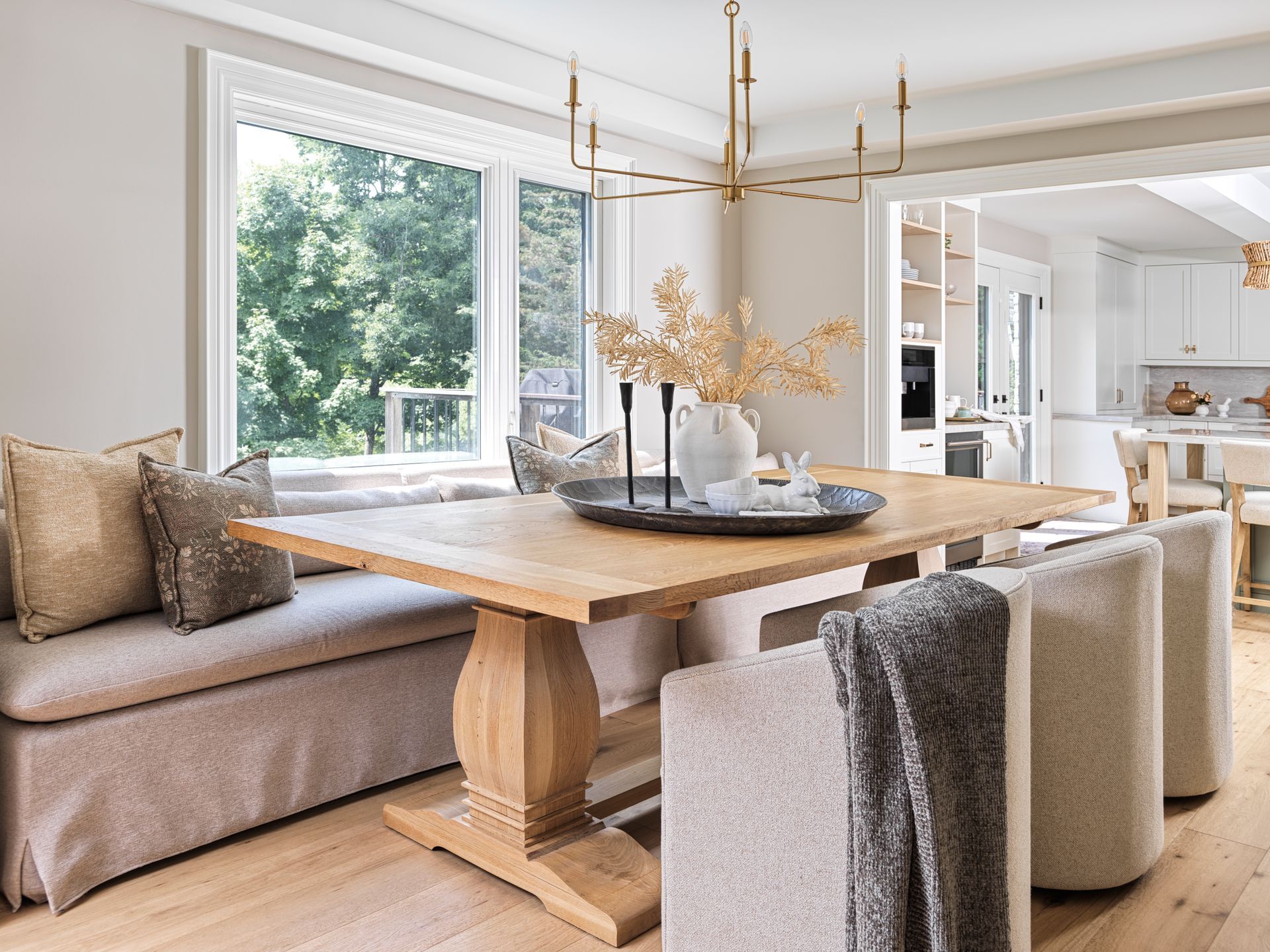
Quality Flooring
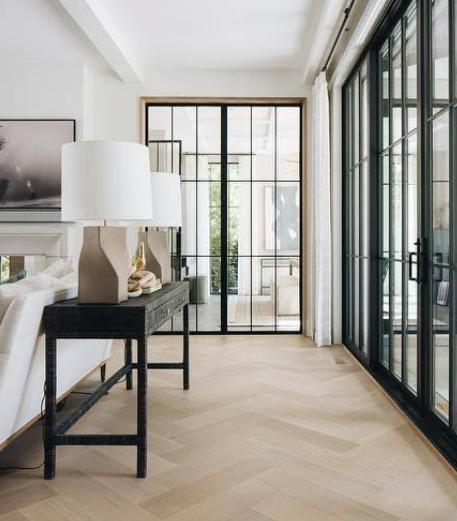
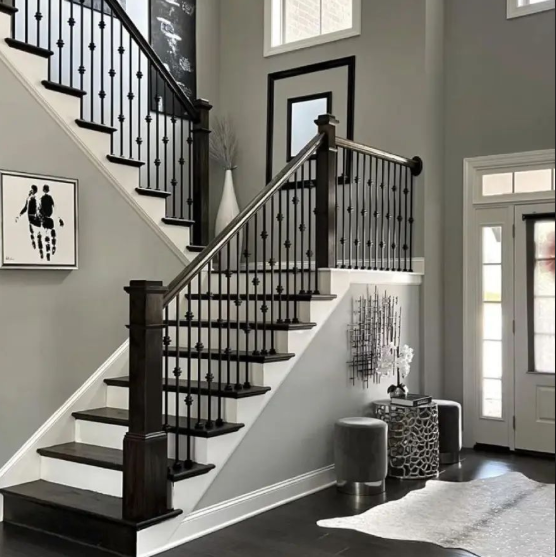
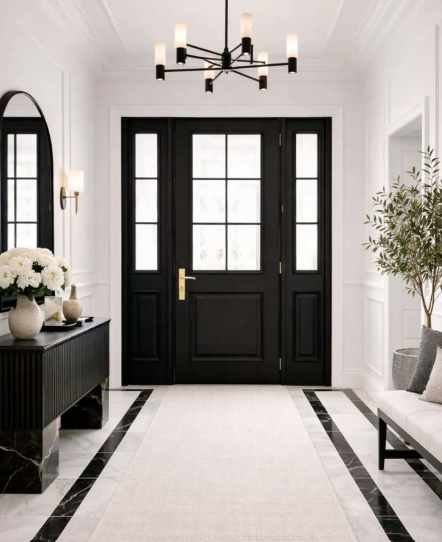
Flooring is one of the hardest-working finishes in your home. It needs to withstand everyday traffic, furniture, pets, spills and years of use—all while connecting the different spaces throughout your home.
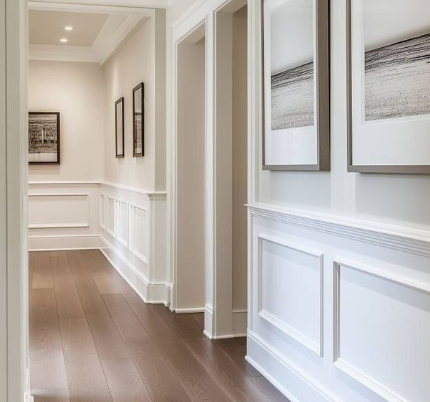
Investing in durable, quality flooring can make a noticeable difference in both the look and longevity of a renovation. Because replacing flooring later can mean moving furniture, removing baseboards and disrupting multiple rooms, it’s worth choosing something you’ll be happy to live with for years.
When possible, choose timeless materials and finishes rather than something heavily influenced by a current trend.
SAVE: Trend-Driven Finishes
There’s nothing wrong with incorporating trends into your home. In fact, they’re often what give a space personality and make it feel current. The key is being selective about where you use them.
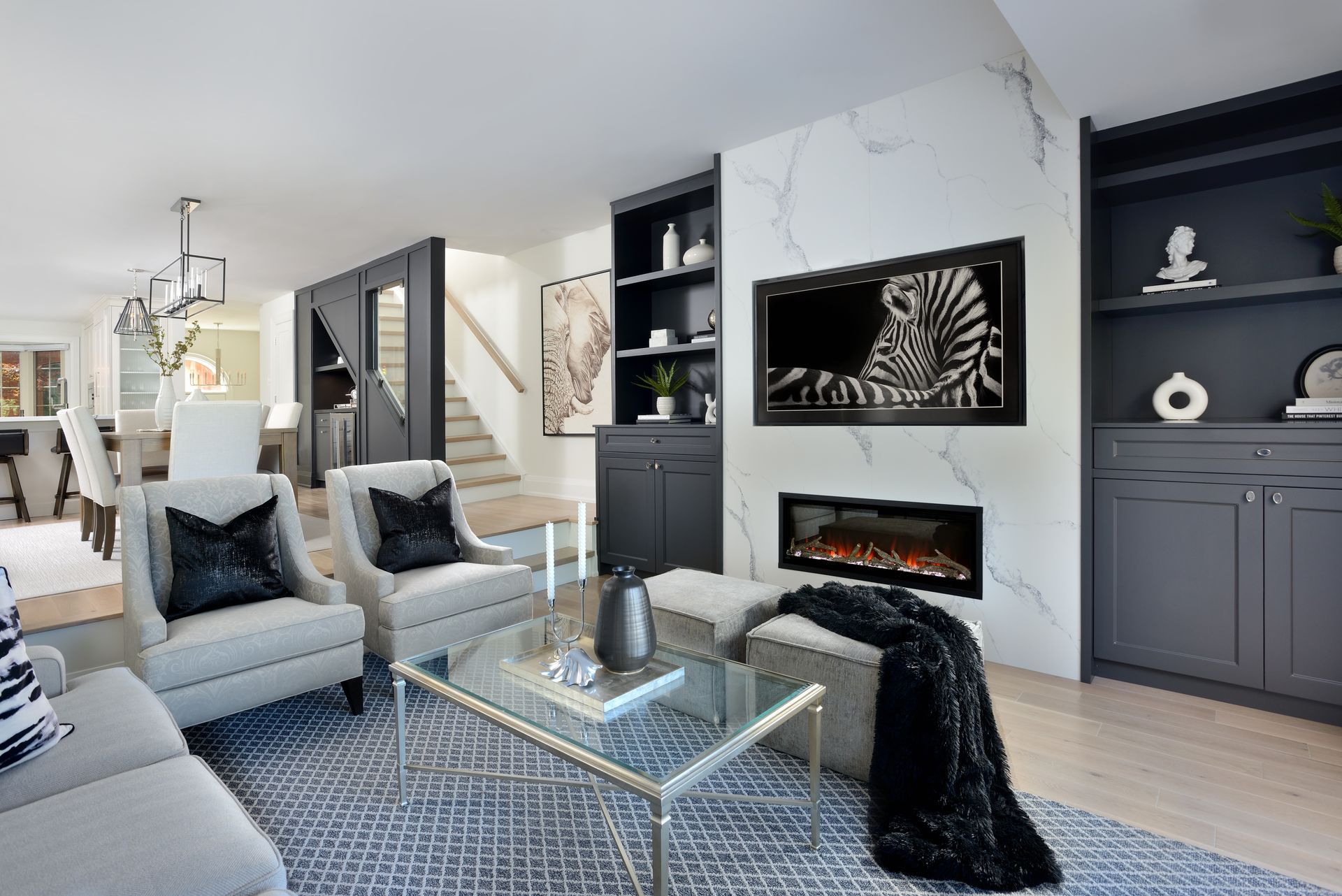
Instead of committing a large portion of your budget to a finish you may tire of in a few years, introduce trends through paint colours, cabinet hardware, decorative lighting, furniture and accessories.
This gives you the freedom to refresh your space later without needing another major renovation.
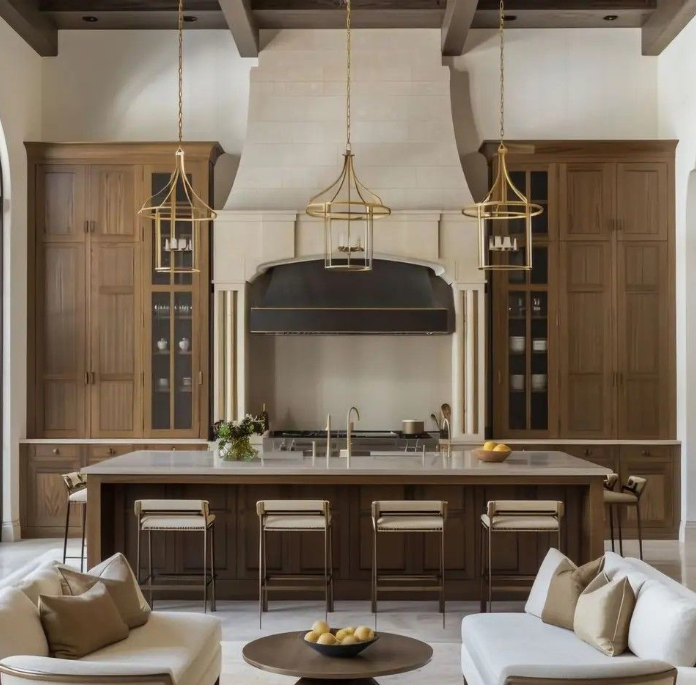
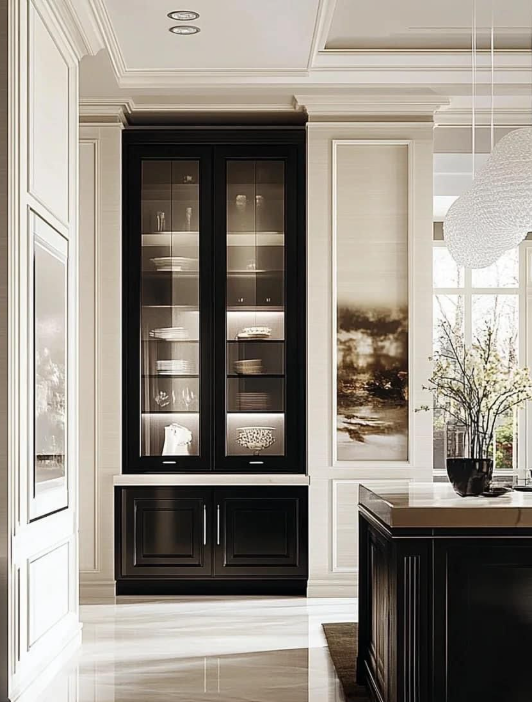
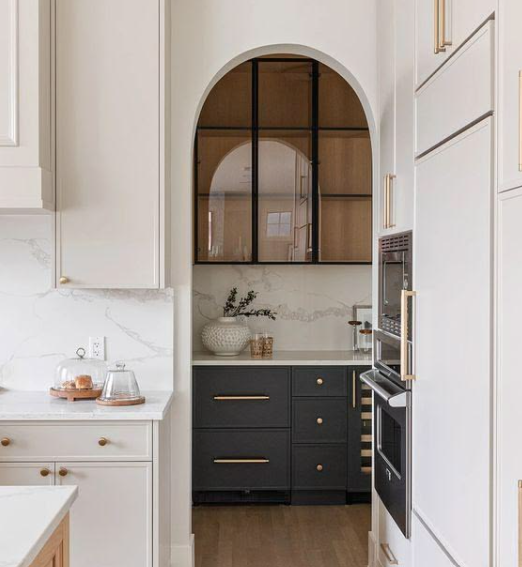
SPEND: Kitchen Cabinetry
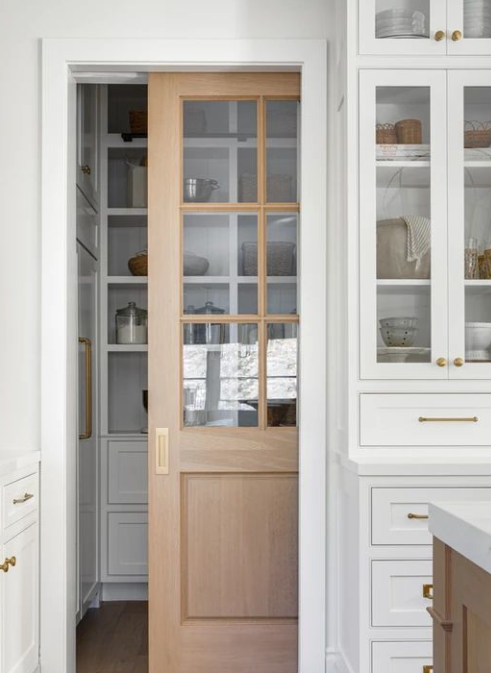
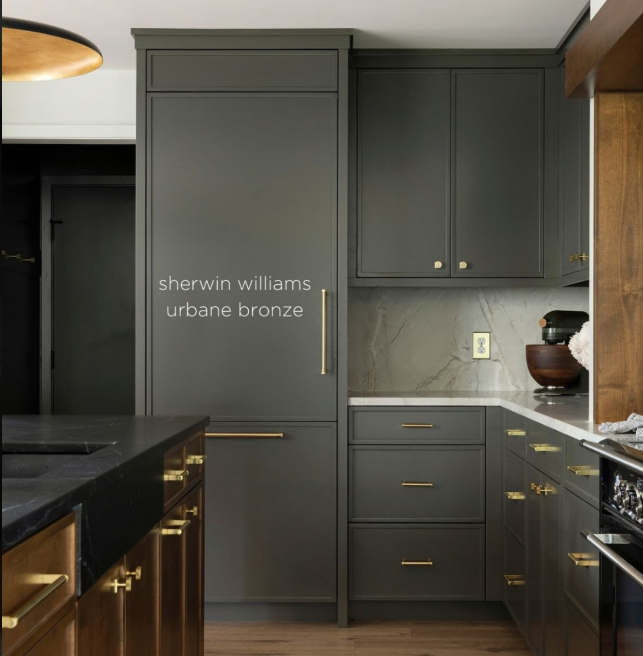
Cabinetry is one area where quality and thoughtful planning can completely change how a space functions.
Beyond the finish and door style, consider how you actually use your kitchen. Deep drawers, integrated waste and recycling, pantry storage, appliance placement and customized inserts can make everyday routines significantly easier.
Well-made cabinetry also tends to hold up better over time. Doors, drawers and hardware are used constantly, so durability matters. A beautiful kitchen is important—but a kitchen that works effortlessly for your lifestyle is even better.
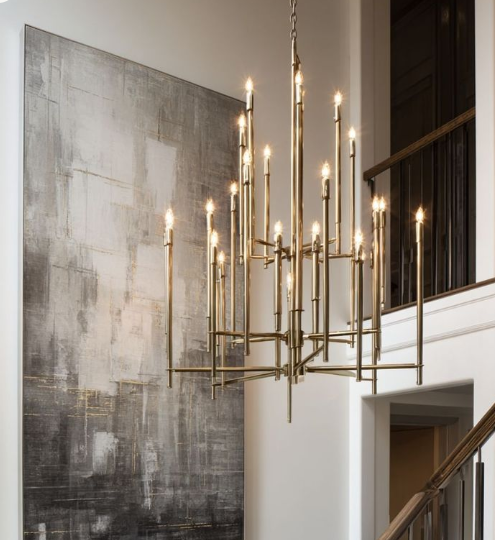
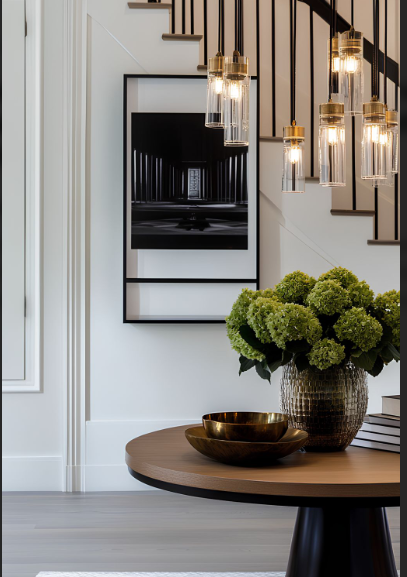
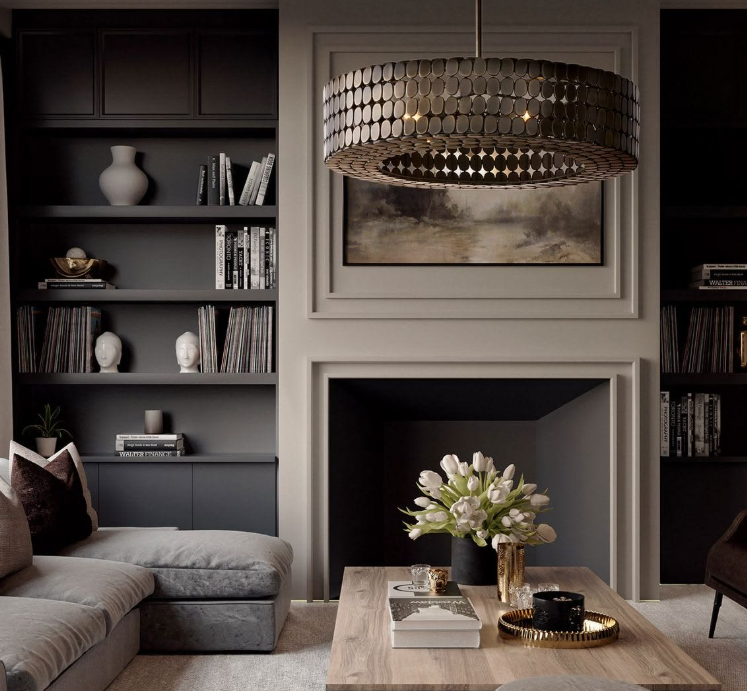
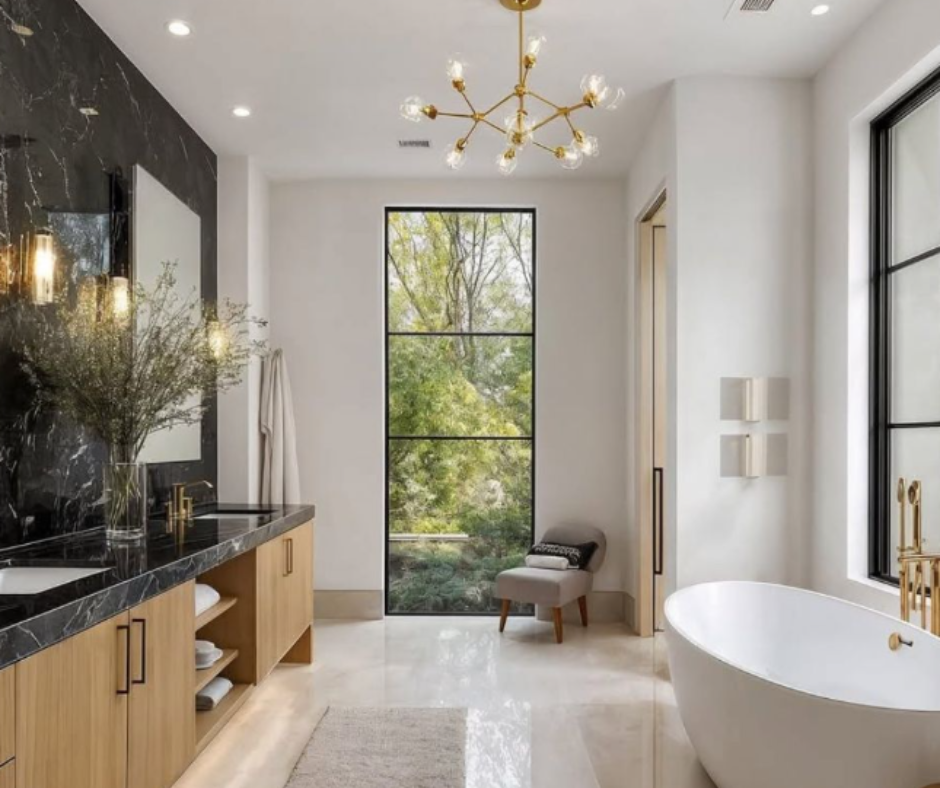
SAVE: Decorative Lighting
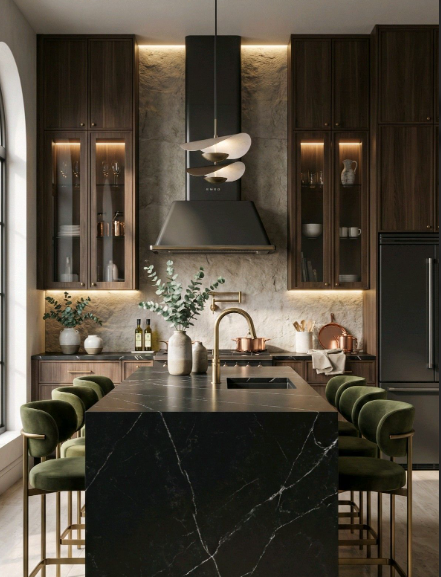
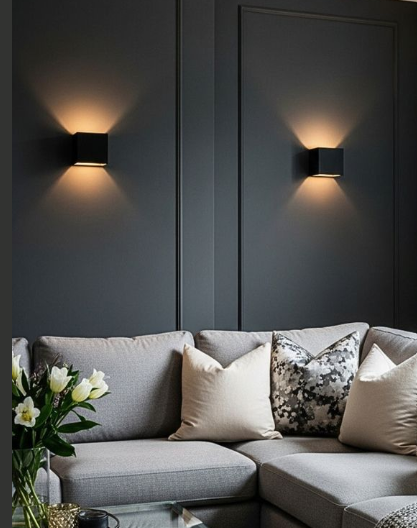
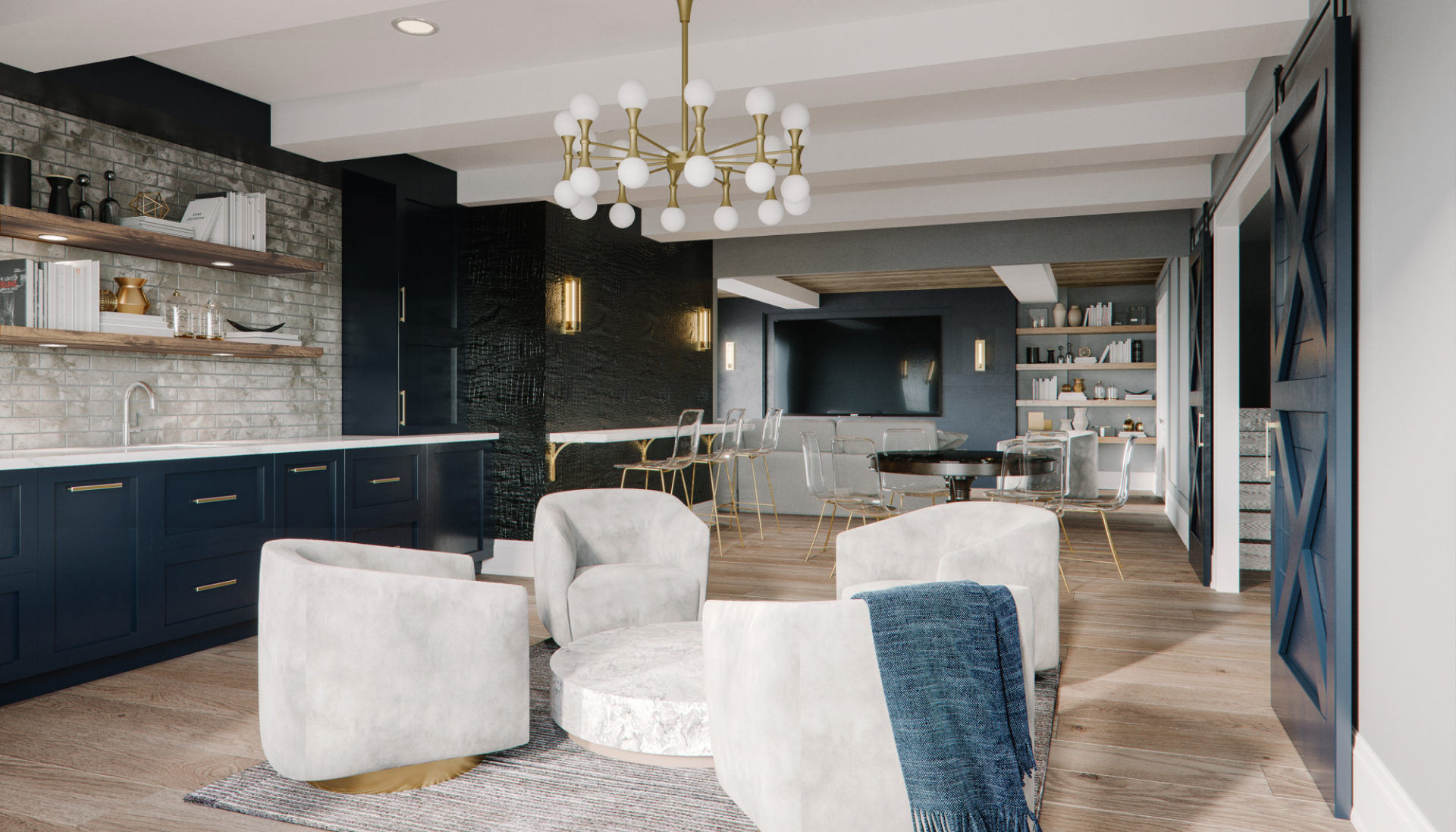
Lighting has the power to completely change the atmosphere of a room, but you don’t necessarily need to spend thousands on every decorative fixture.
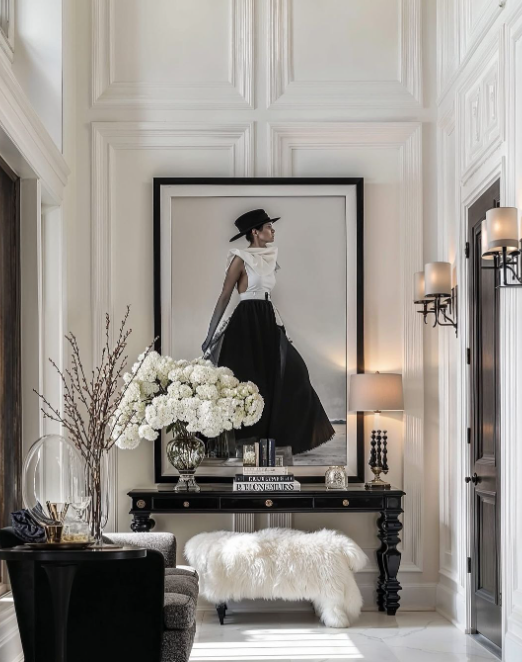
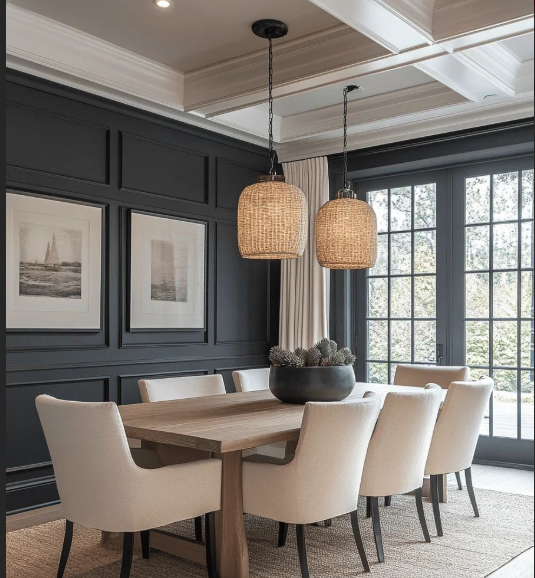
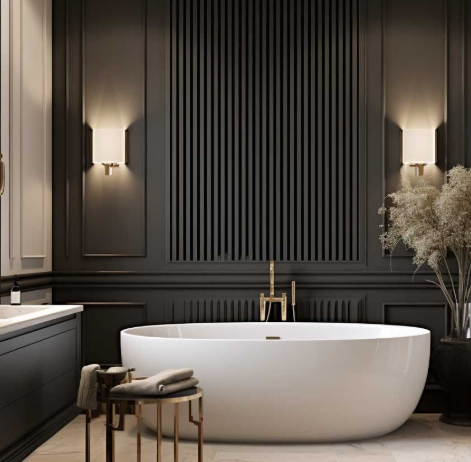
There are plenty of beautifully designed pendants, sconces and chandeliers available at approachable price points. Because decorative lighting is also relatively easy to replace, it’s a great place to experiment with something more current or unexpected.
Instead, focus your electrical budget on getting the lighting plan right—proper placement, enough light sources, dimmers and a combination of ambient, task and accent lighting.
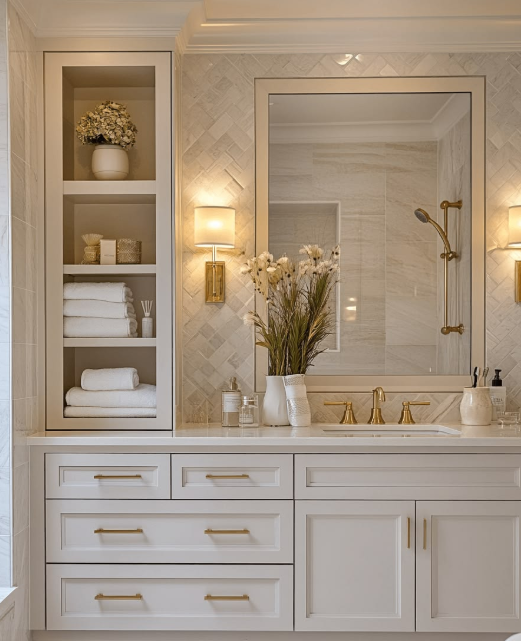
SPEND: Countertops
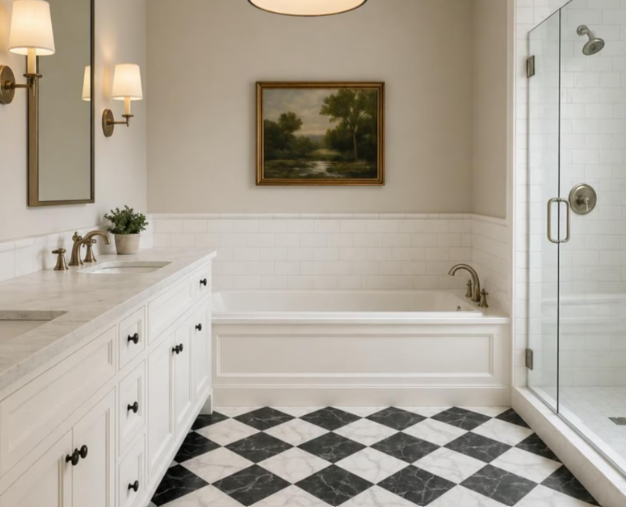
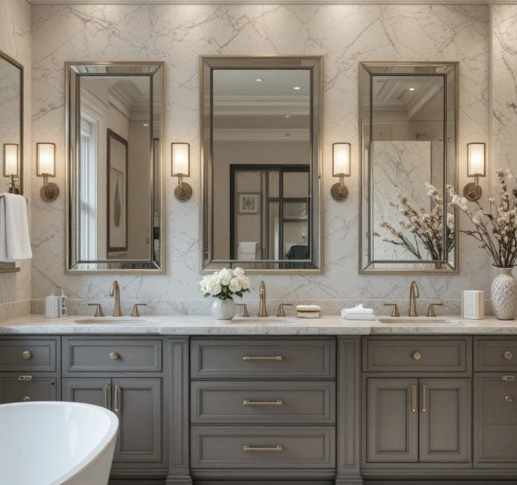
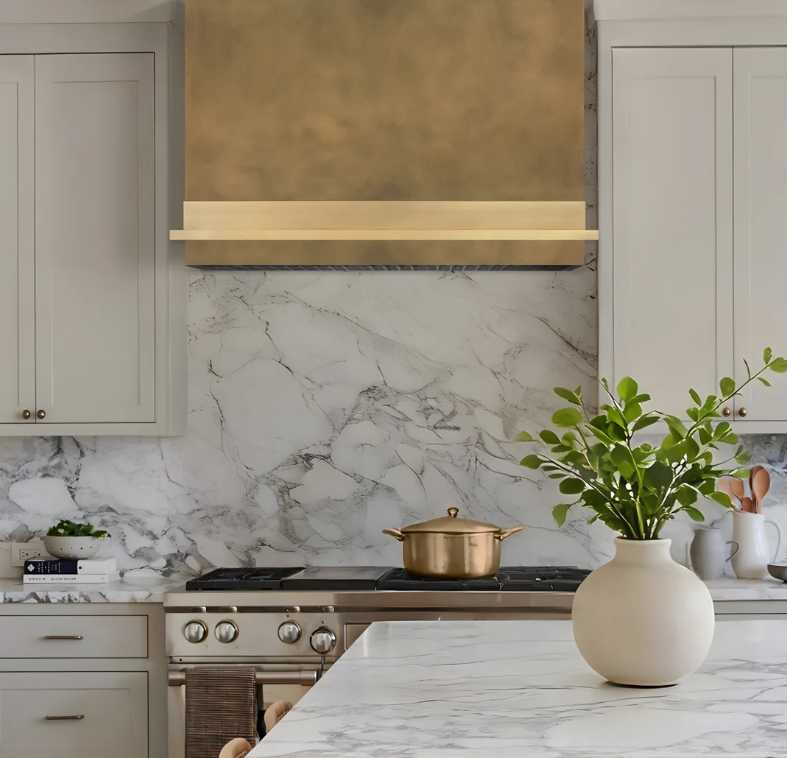
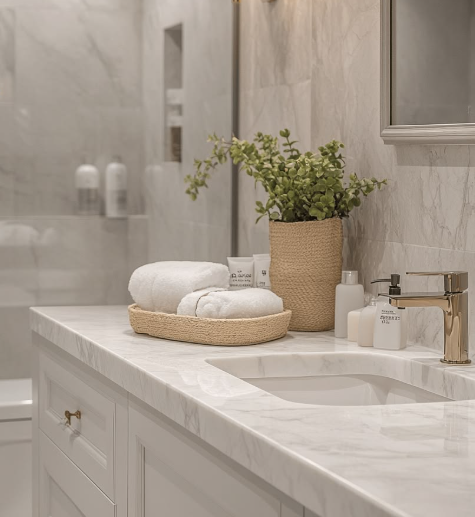
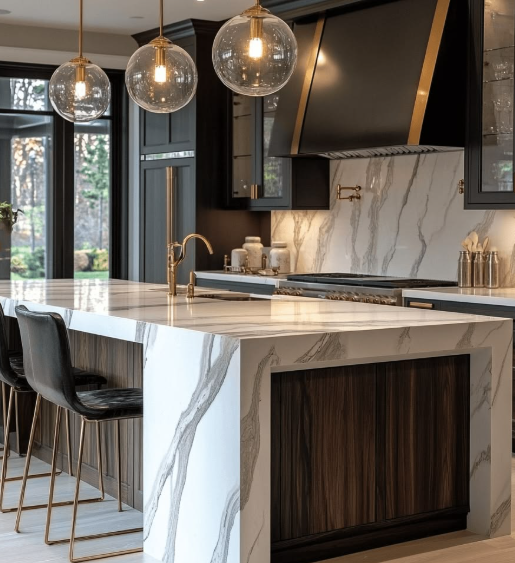
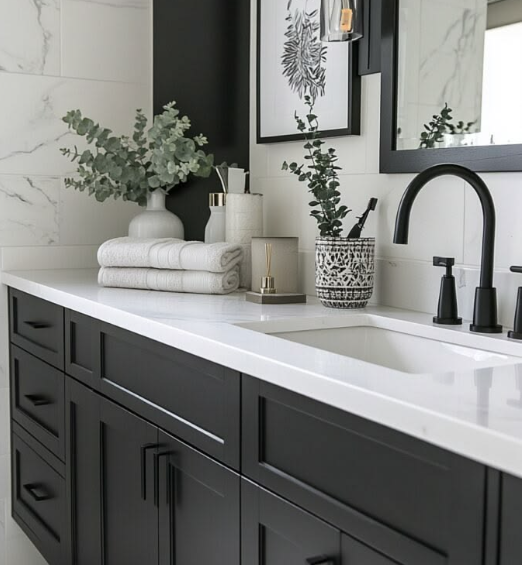
Countertops are another surface you interact with every day, particularly in kitchens and bathrooms. They need to handle spills, heat, food preparation and everyday wear while still looking beautiful.
Choosing a durable material that suits your lifestyle is often worth the investment. Rather than selecting something based purely on appearance, consider maintenance, durability and how the material will age.
A thoughtfully selected countertop can also become one of the defining elements of a space, especially when paired with simpler cabinetry and finishes.
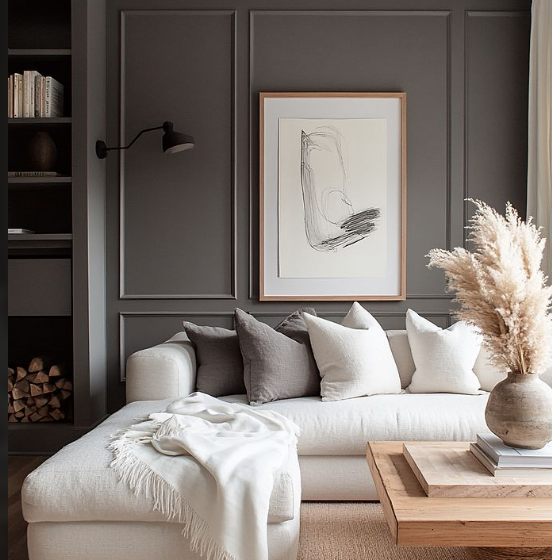
SAVE: Paint
Paint can completely transform the way a room feels without consuming a large portion of your renovation budget.
It’s also one of the easiest finishes to change later, which makes it a great place to introduce colour or experiment with something outside your usual comfort zone.
Instead of designing permanent elements around a specific paint trend, create a strong foundation through your flooring, cabinetry and architectural finishes. Paint can then evolve as your home and personal style change.
SPEND: The Things Behind the Walls
Some of the most important investments in a renovation are the ones you’ll never see once the project is complete.
Electrical, plumbing, insulation, waterproofing, framing and proper installation may not be the exciting selections you save to your inspiration boards, but they are essential to the longevity of your home.
This is also where quality workmanship matters. Cutting corners on the fundamentals can lead to much larger—and more expensive—problems later. A renovation should look beautiful when it’s finished, but it also needs to be built properly behind the scenes.
SAVE: Pieces You Can Upgrade Later
It can be tempting to want every room completely finished the moment your renovation is done, but not everything needs to happen at once.
Mirrors, furniture, artwork, accessories and smaller decorative details can all be added or upgraded over time. Allowing your home to evolve can also create a more collected and personal look rather than making every decision at once.
If the budget is getting tight, prioritize the elements that would be difficult to change later. You can always find the perfect side table or piece of artwork six months from now.
SPEND: A Thoughtful Layout
One thing worth investing in before construction even begins is good planning.
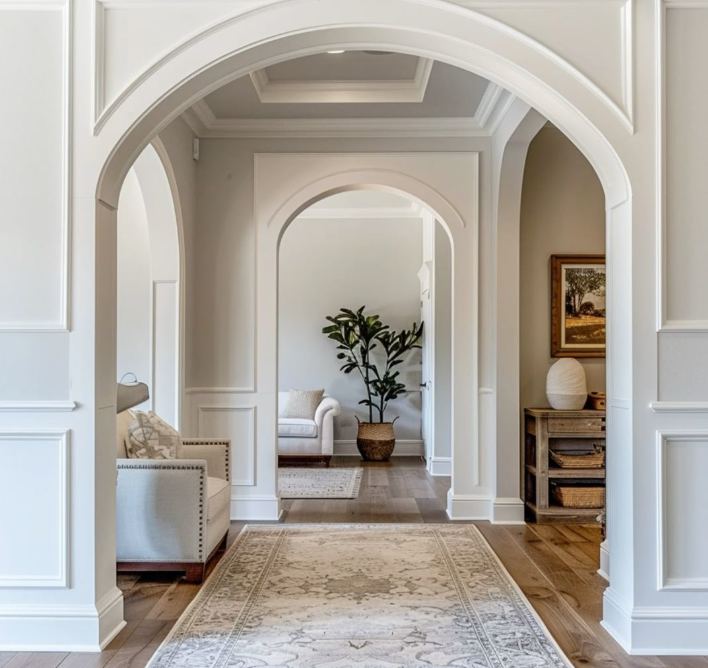
Moving walls, relocating plumbing, adjusting doorways or reconsidering the layout can sometimes add to the upfront cost, but getting the flow of the home right can have a much greater impact than an expensive finish.
Think about how you move through the space, where you need storage, how rooms connect and how your needs may change over time. The best renovations don’t just make a home look better—they make it work better.
Final Thoughts
A successful renovation isn’t about choosing the most expensive option at every turn. It’s about understanding which decisions will have the greatest impact on the way your home looks, functions and lasts. Invest in the permanent elements. Prioritize quality construction. Spend on the things you touch and use every day. And give yourself permission to save on details that can easily change as your style evolves. When your budget is allocated thoughtfully, you can create a home that feels elevated and considered without overspending in areas that simply don’t need it.
Spend where it matters. Save where it makes sense. And build with the long term in mind.