Tips & Trends
Organizing Yor Home For Mental Clarity
Published May, 2026
Organizing Yor Home For Mental Clarity
Our homes should be places where we can breathe, recharge, and feel at ease. Yet for many of us, clutter slowly creeps in—papers pile up, drawers overflow, and suddenly our space feels chaotic. What many people don’t realize is that physical clutter often leads to mental clutter.
Organizing your home isn’t about perfection—it’s about creating an environment that supports clarity, calm, and well-being.

The Connection Between Clutter and Stress
When your surroundings are disorganized, your brain is constantly processing visual noise. This can lead to feelings of overwhelm, anxiety, and fatigue. A more organized space allows your mind to relax, focus, and function more efficiently.
Simply put: when your home feels calmer, your mind follows.
The Connection Between Clutter and Stress
When your surroundings are disorganized, your brain is constantly processing visual noise. This can lead to feelings of overwhelm, anxiety, and fatigue. A more organized space allows your mind to relax, focus, and function more efficiently.
Simply put: when your home feels calmer, your mind follows.


Start Small and Be Intentional
One of the biggest mistakes people make is trying to organize everything at once. This quickly becomes overwhelming.
- Start with one drawer, one shelf, or one room.
- Set a realistic time limit—20 to 30 minutes is often enough.
- Focus on progress, not perfection.
Small wins build momentum and make the process feel manageable.


Declutter Before You Organize
Organization only works when you’re intentional about what stays.
Ask yourself:

- Do I use this?
- Do I love this?
- Does this serve a purpose in my life right now?
If the answer is no, it may be time to let it go. Releasing unused items creates both physical and mental space.
Create Systems That Work for You
The best organizing systems are the ones you’ll actually maintain.
- Store everyday items where you use them.
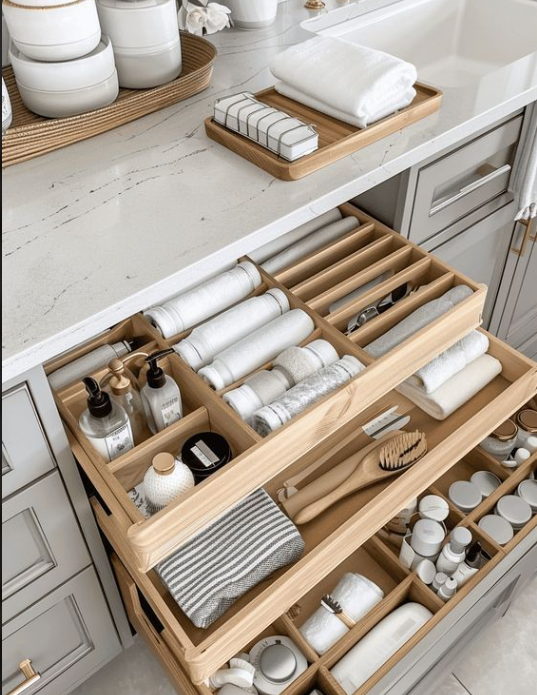
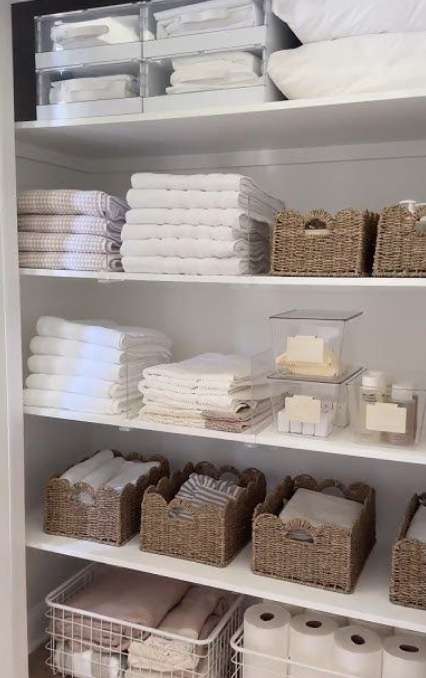
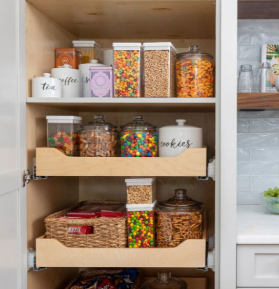
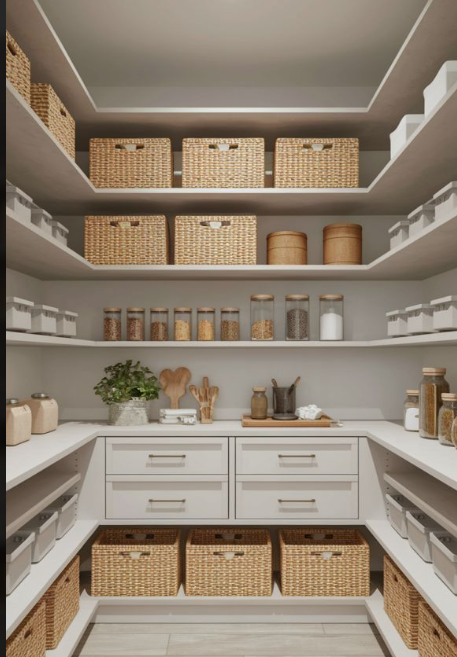
- Use clear bins or labels so everything has a visible “home.”
- Keep frequently used items easily accessible.
Organization should simplify your life, not complicate it.

Focus on High-Impact Areas
Some areas of the home have a greater effect on mental clarity than others:
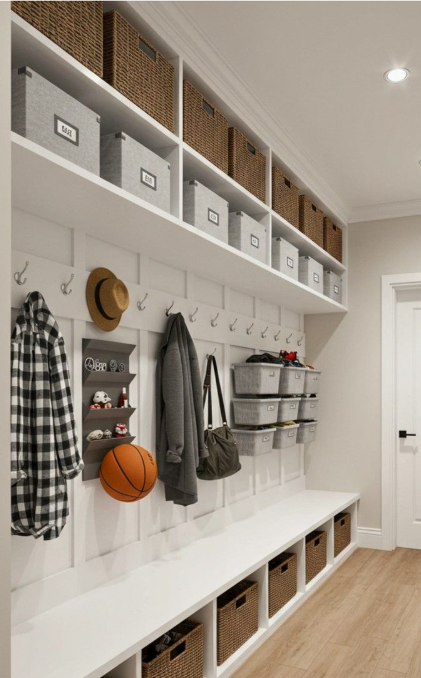
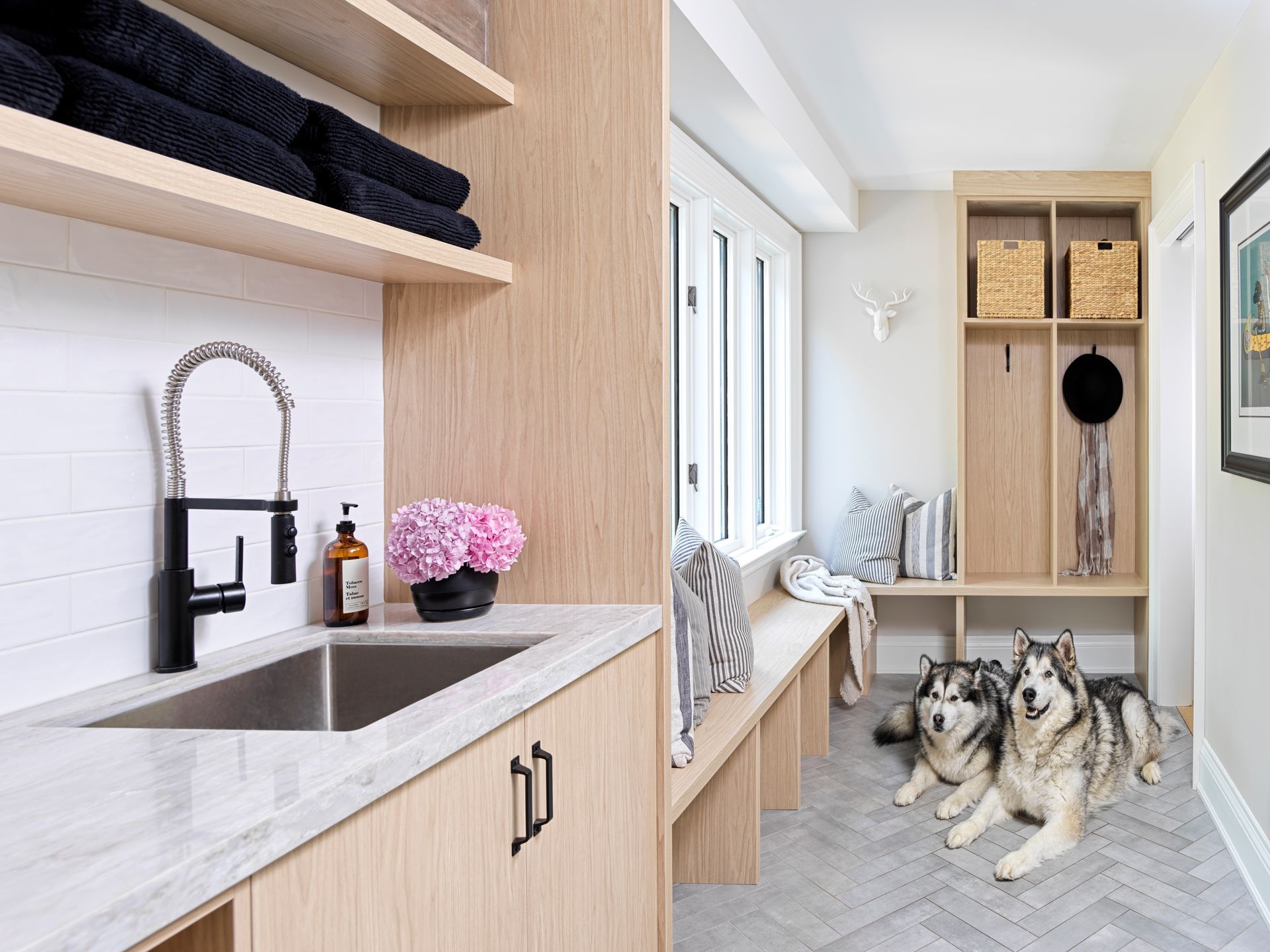
- Entryway: A clear, welcoming entry sets the tone for your entire day.
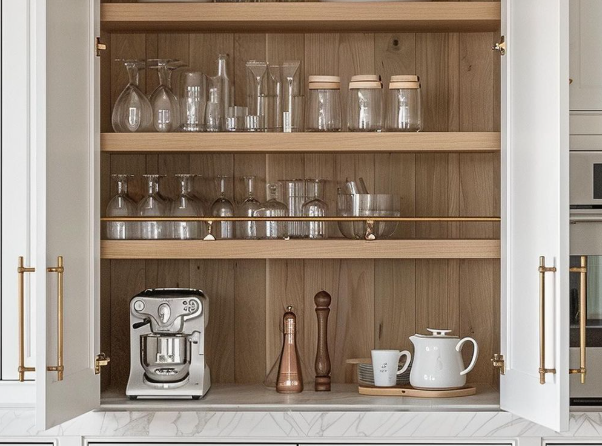
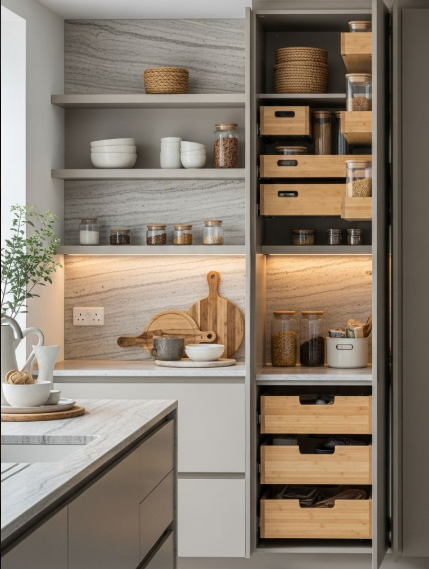
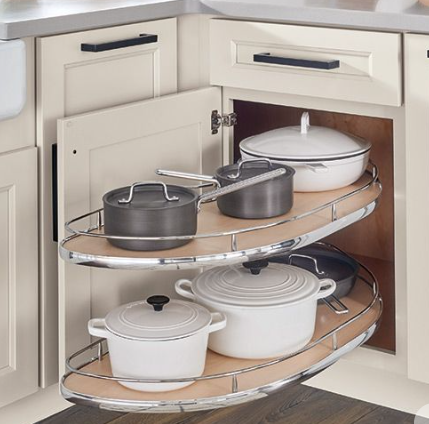
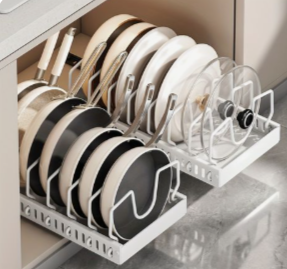
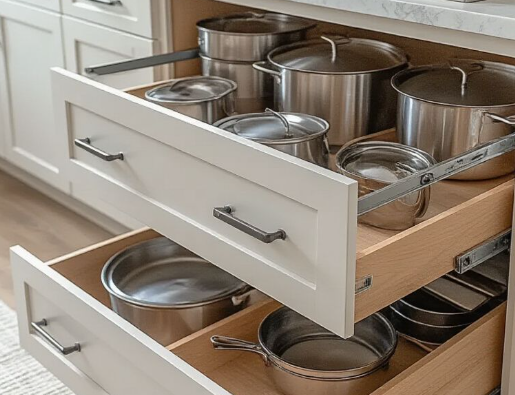
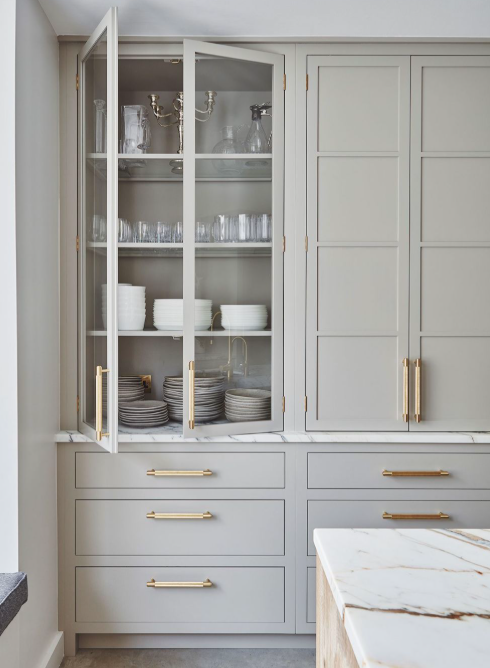
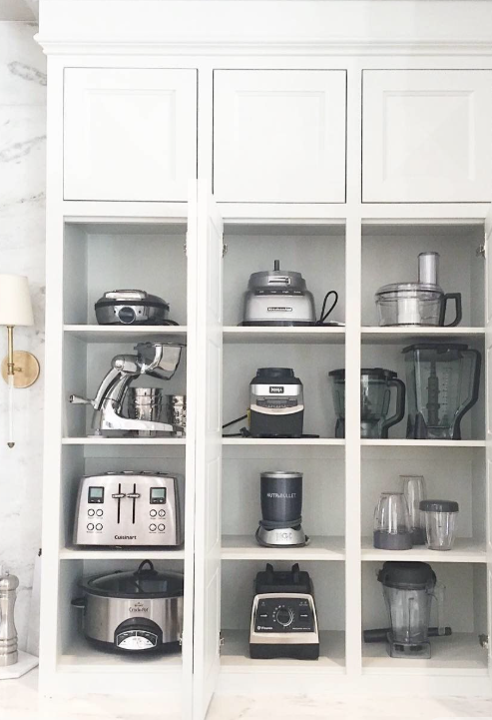
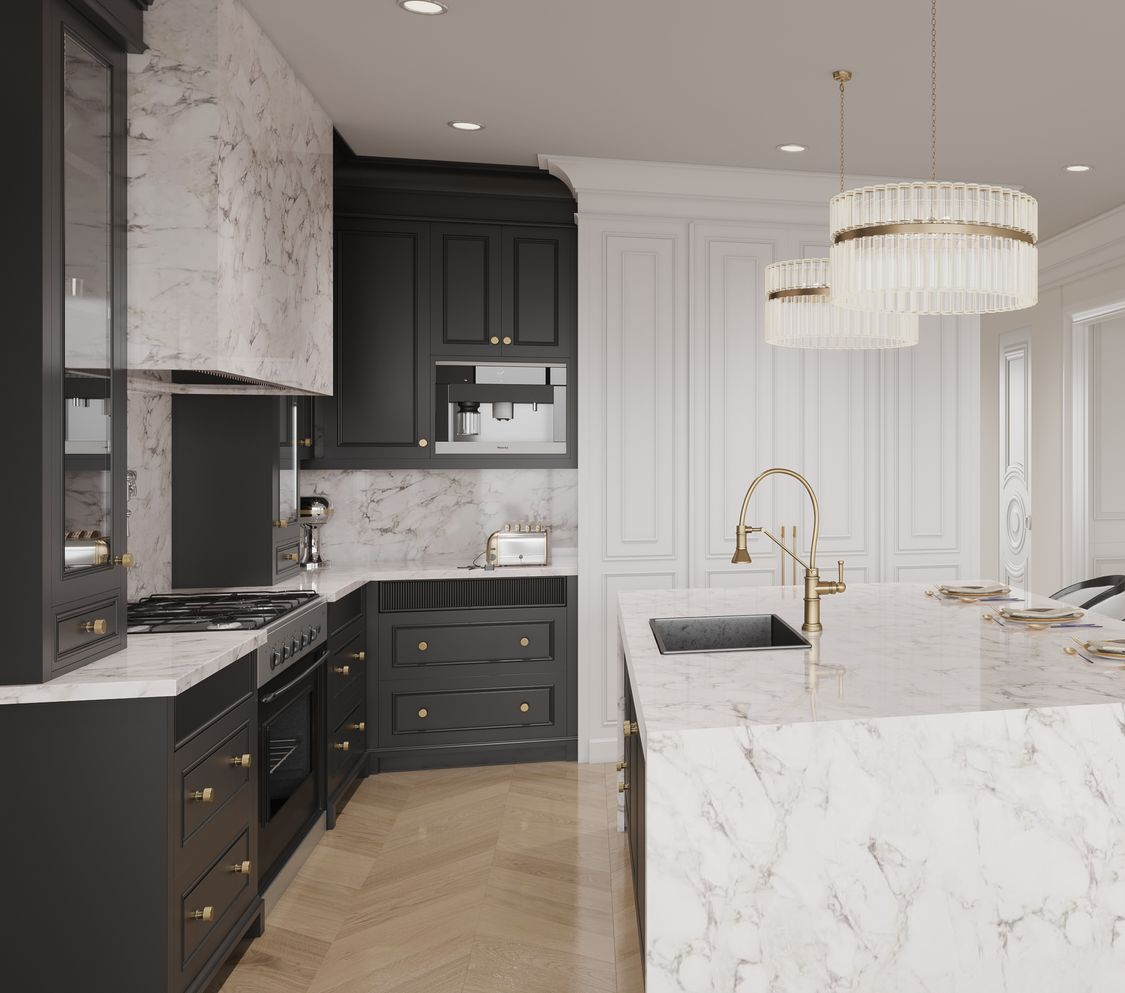
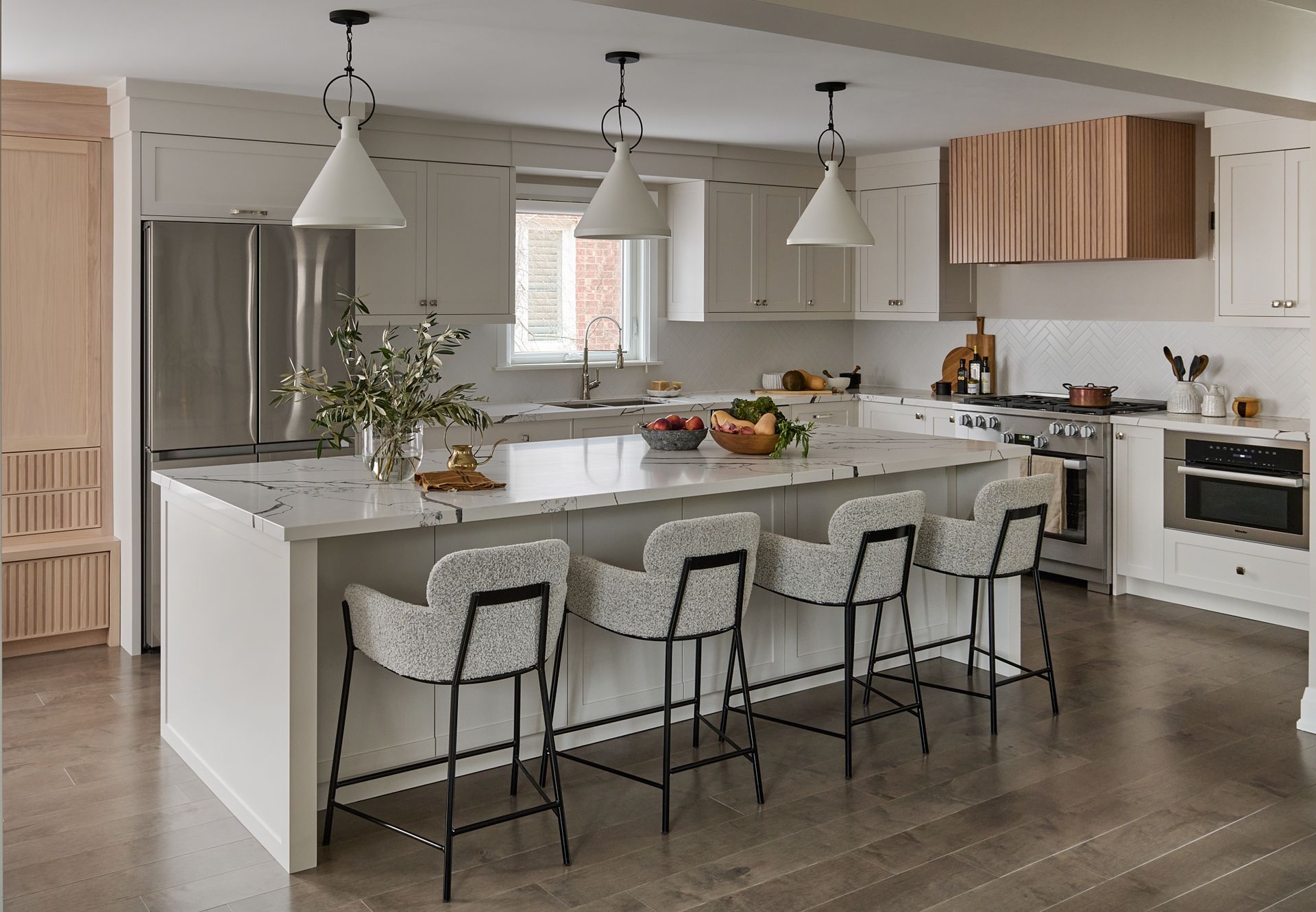
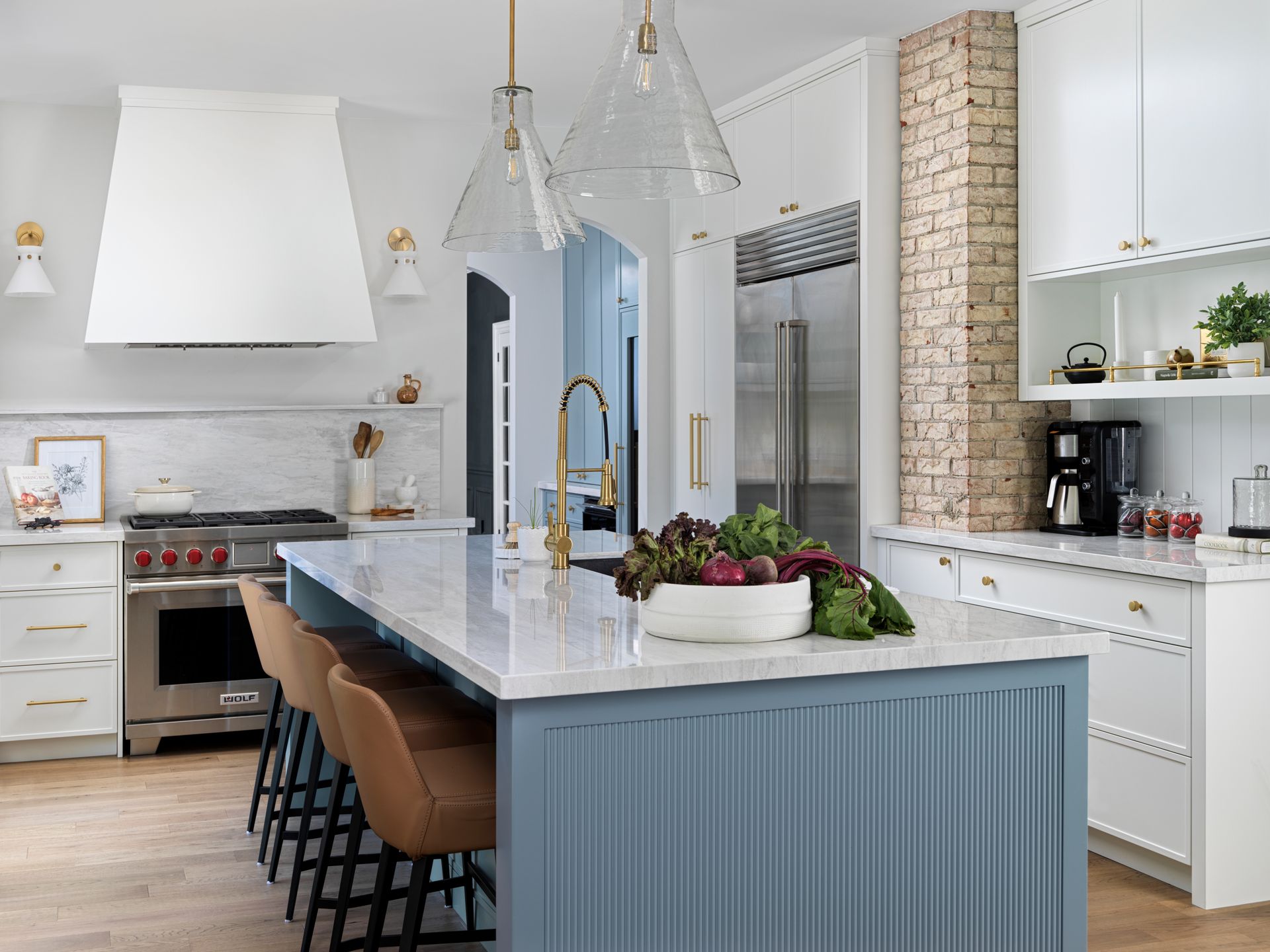
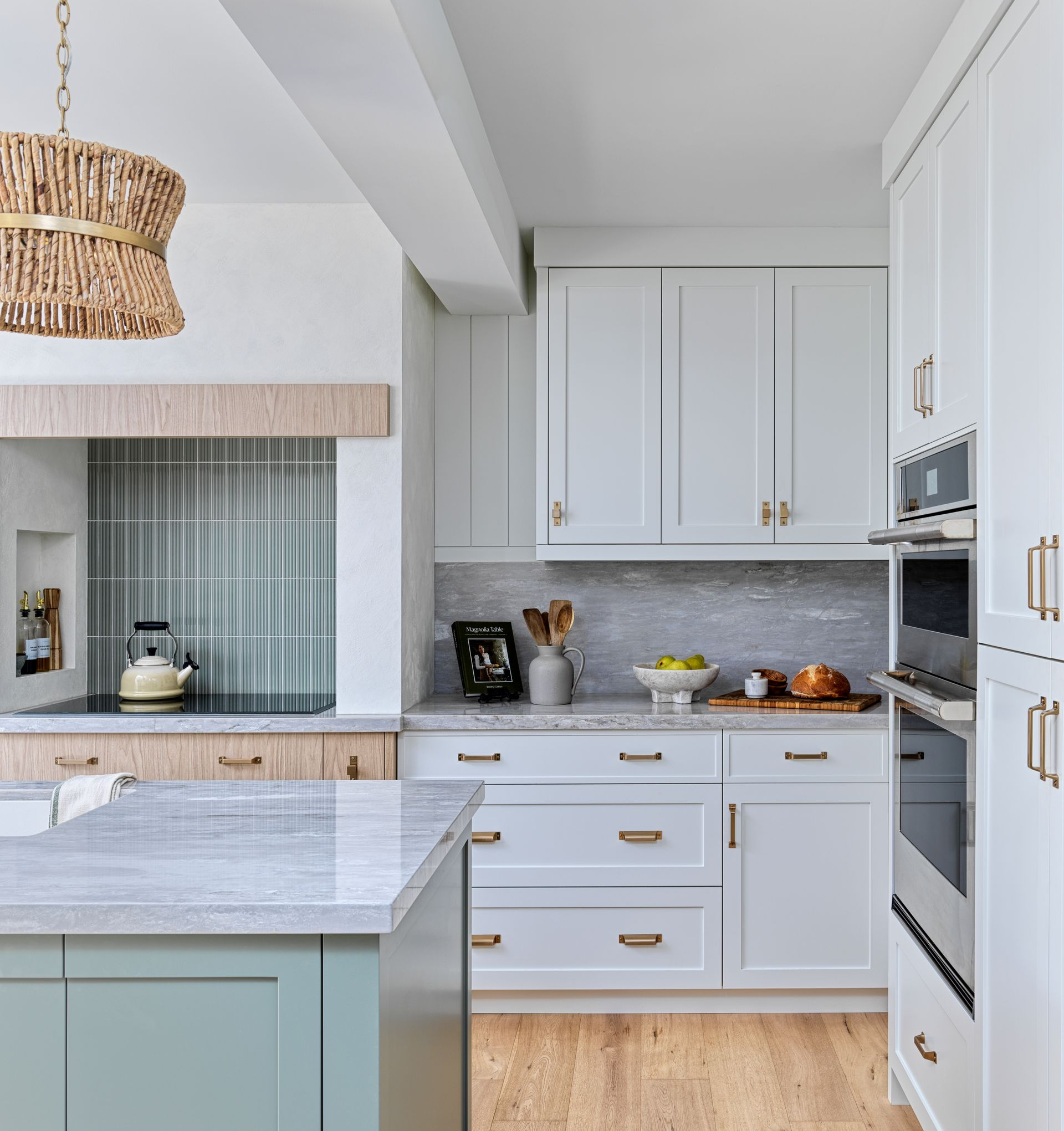
- Kitchen: Streamlined counters and organized cabinets reduce daily stress.
- Bedroom: A clutter-free bedroom supports better sleep and relaxation.
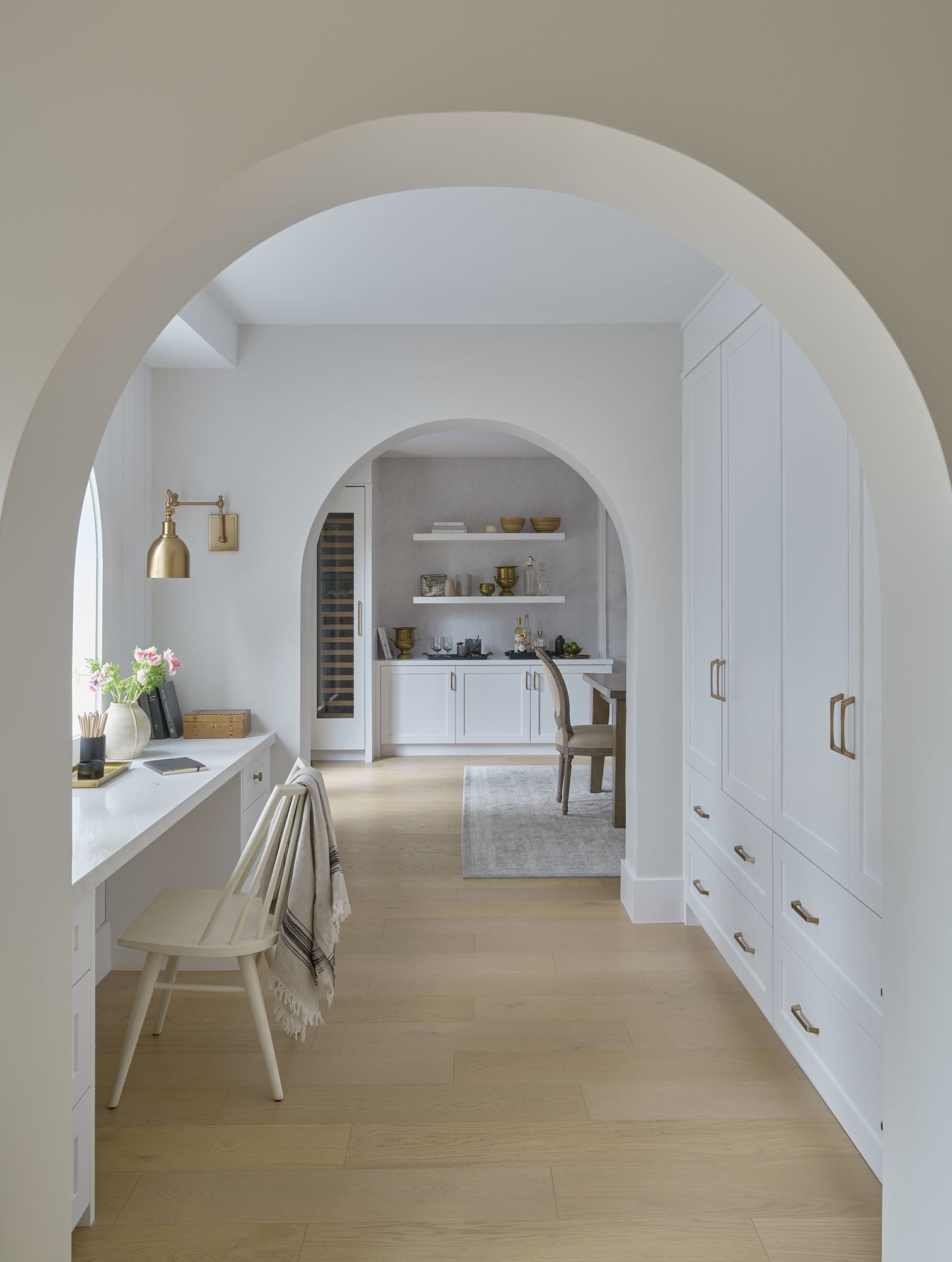
- Home Office: Order and structure promote focus and productivity.
Let Go of the “All or Nothing” Mindset
Your home doesn’t need to look like a magazine to feel peaceful. A lived-in space can still be organized and intentional.
Give yourself permission to create systems that fit your lifestyle—not someone else’s standards.
Maintain the Calm
Once your space feels lighter, maintenance becomes easier.
- Do a quick daily reset—five to ten minutes makes a big difference.
- Revisit storage solutions seasonally.
- Be mindful about what comes into your home going forward.
Final Thoughts...
Organizing your home is an act of self-care. By creating thoughtful systems and letting go of excess, you’re not just improving your space—you’re supporting your mental clarity and overall well-being.
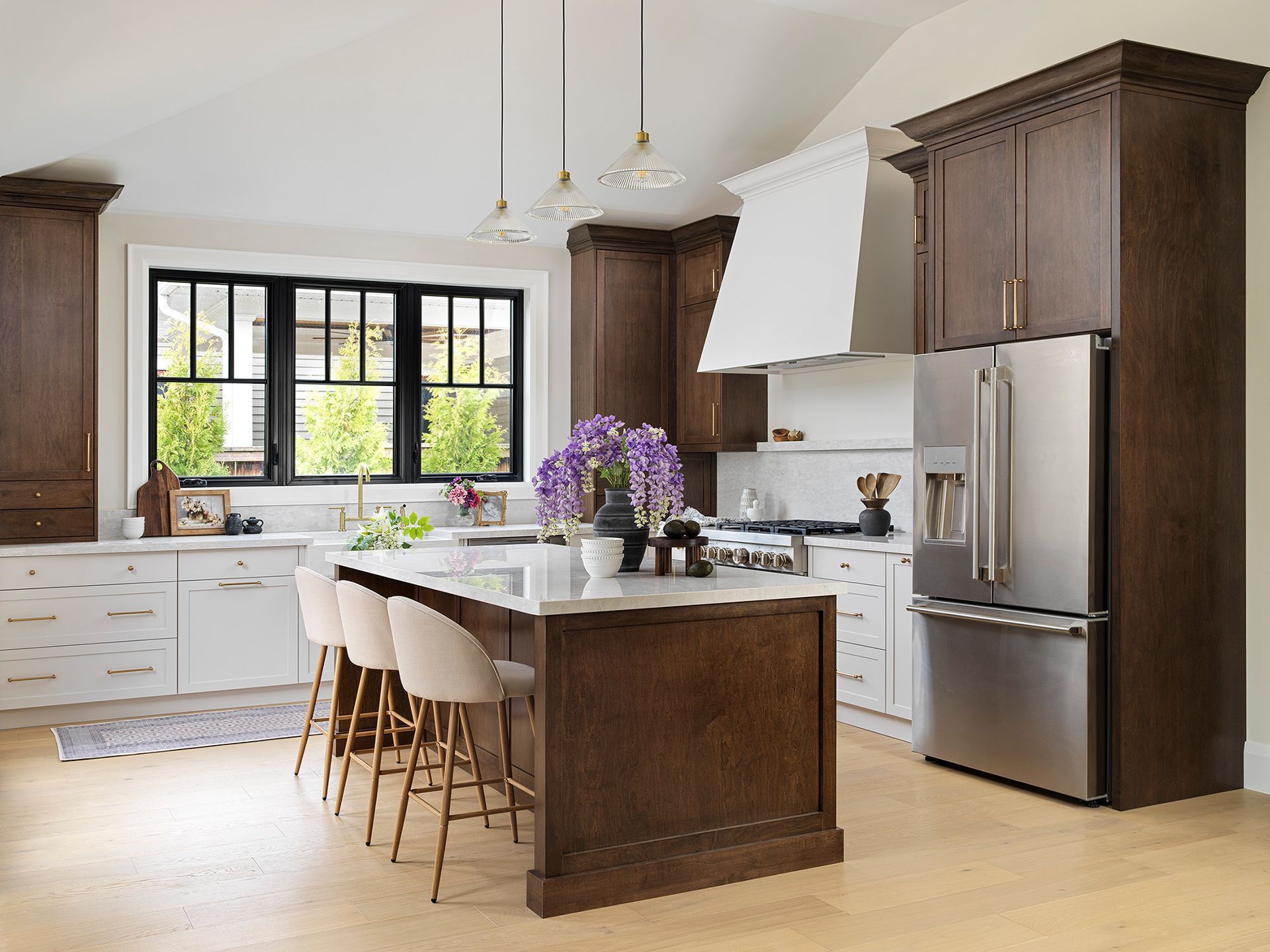
A calmer home creates room for clearer thinking, better rest, and a more balanced life.